Red Kite.

Birds

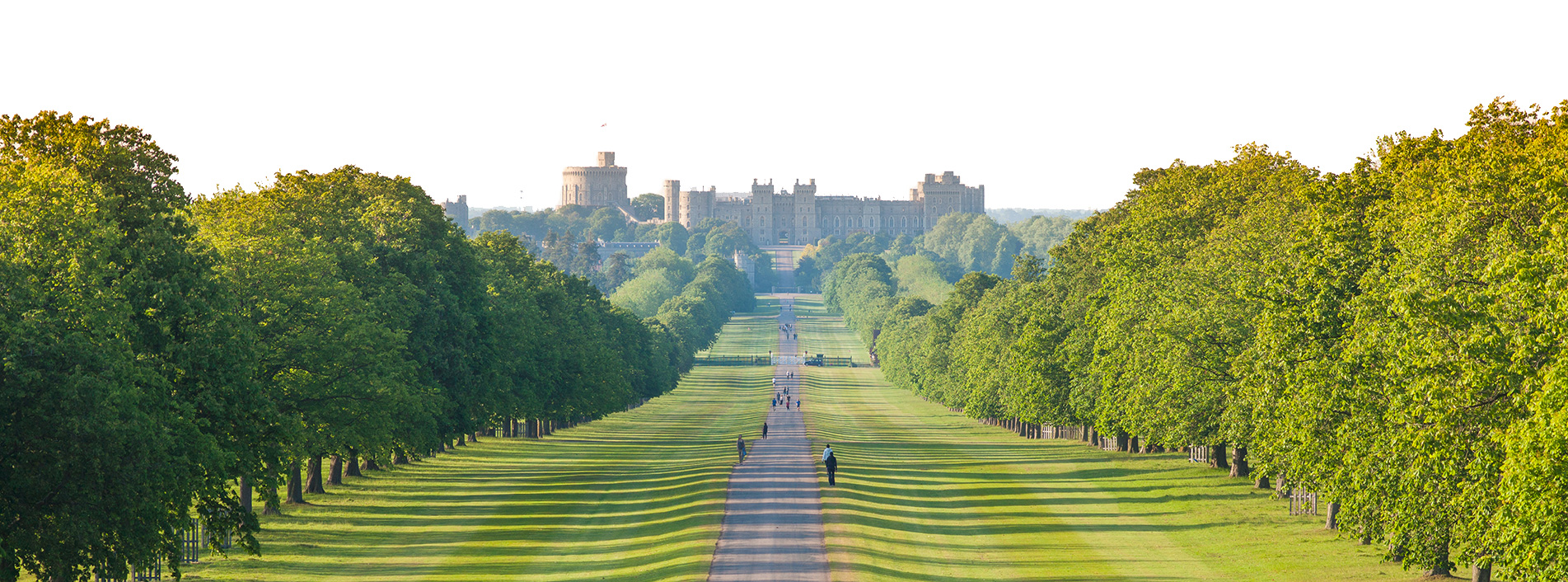
The ancient trees, diverse woodlands and numerous water bodies across Windsor Great Park and the wider Estate create a rich mosaic of habitats, making them ideal nesting grounds for a variety of fascinating bird species. Discover more about these birds and the environments they thrive in.

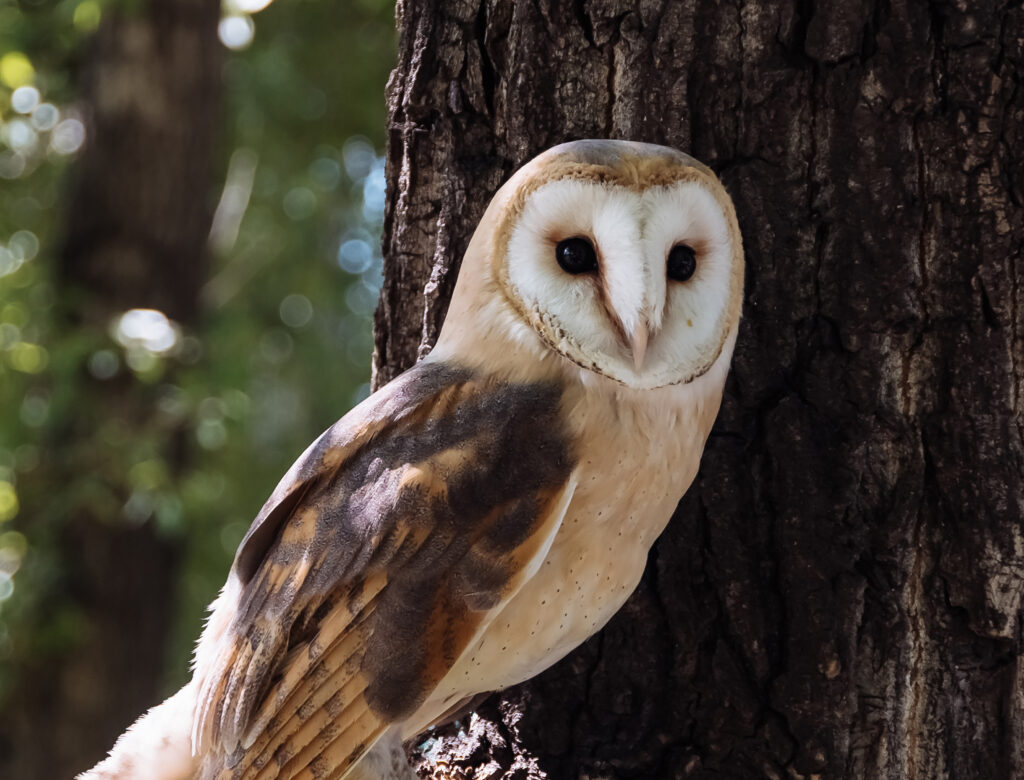
Barn Owl

With a heart-shaped face, beige back and wings and pure white underparts, the Barn Owl is a distinctive and much-loved countryside bird. Our careful management of old trees provides hollow branches for them to nest in, and our varied grassland management provides plentiful voles and mice which they need for food.

Find out more
Barn Owl.
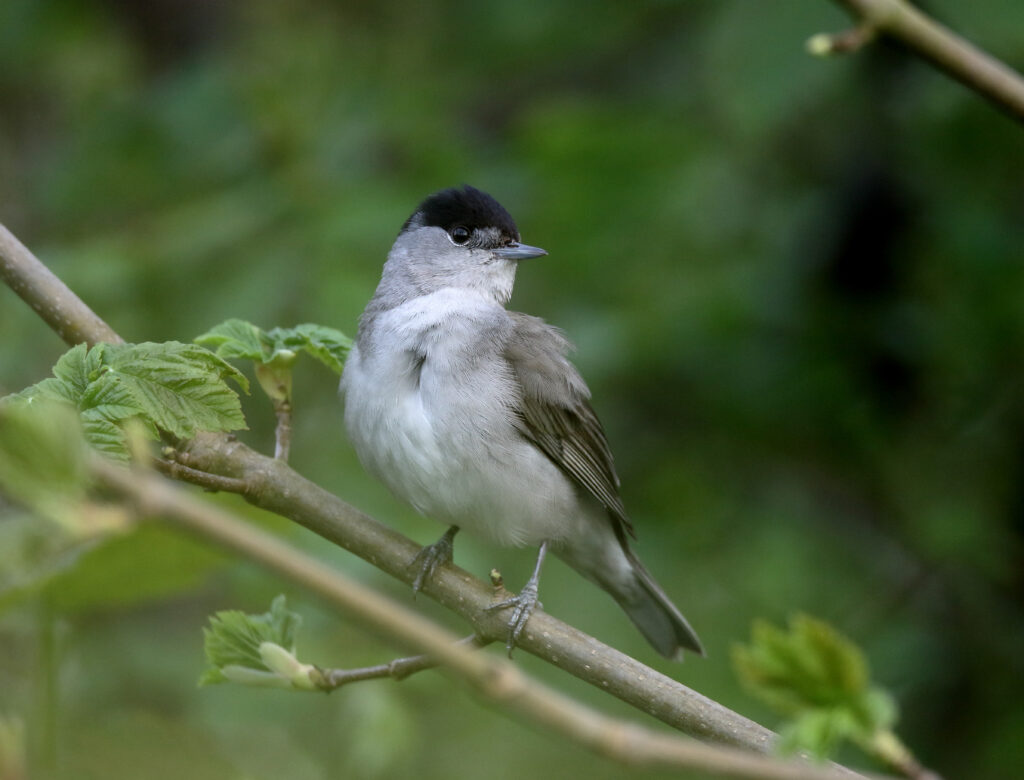
Blackcap

The Blackcap is a distinctive greyish warbler. The top of the male’s head is black (its black cap) while the female’s is chestnut brown. Its delightful fluting song has earned it the name ‘northern nightingale’.

Find out more
Blackcap.
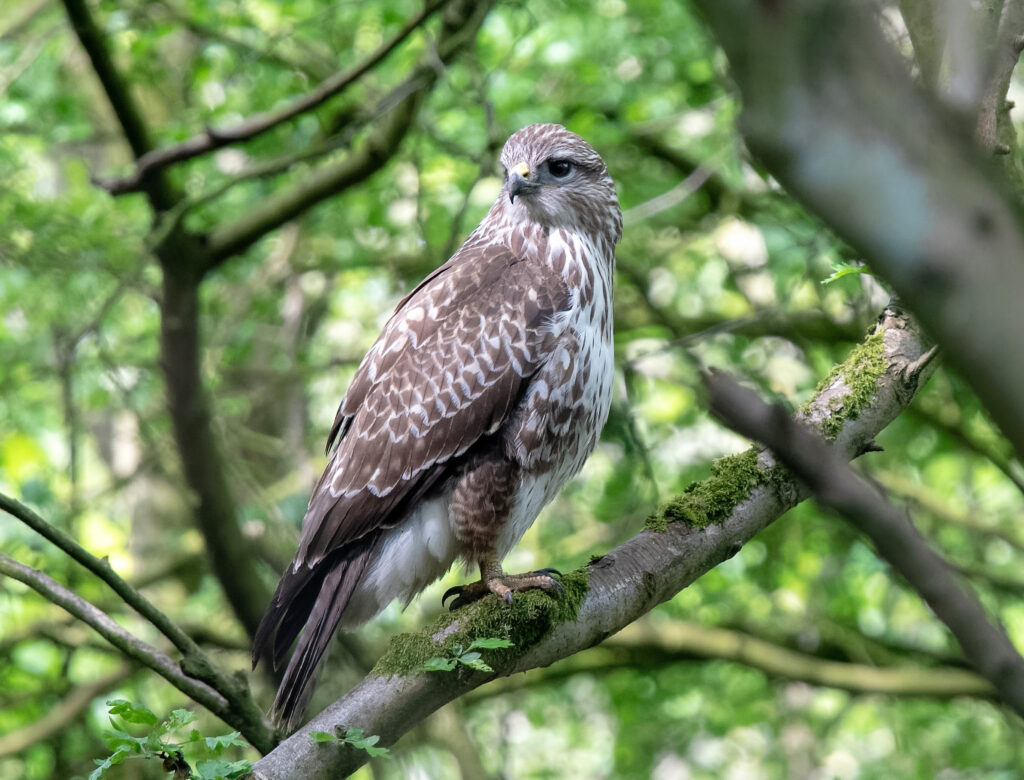
Buzzard

Now the most common and widespread UK bird of prey, the Buzzard is quite large with broad, rounded wings, and a short neck and tail. When gliding and soaring, it will often hold its wings in a shallow ‘V’ and the tail is fanned.

Find out more
Buzzard.
Chiffchaff

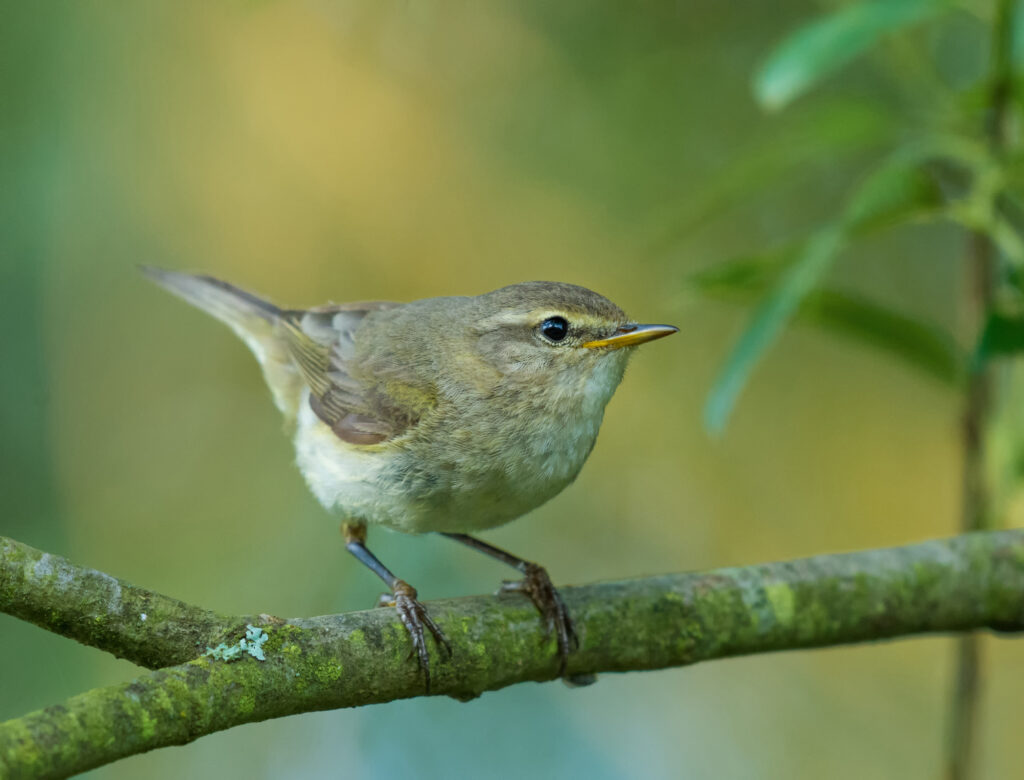
The Chiffchaff is a small, olive-brown warbler that visits Windsor Estate in spring, filling the woodlands with its distinctive “chiff-chaff” song. Preferring mixed woodland and shrubby areas, it feeds mainly on insects and spiders, making the Estate’s diverse habitats ideal for foraging. This early migrant is often among the first signs of seasonal change, heralding the arrival of warmer days across Windsor’s scenic landscapes.

Find out more
Chiffchaff.
Fieldfare

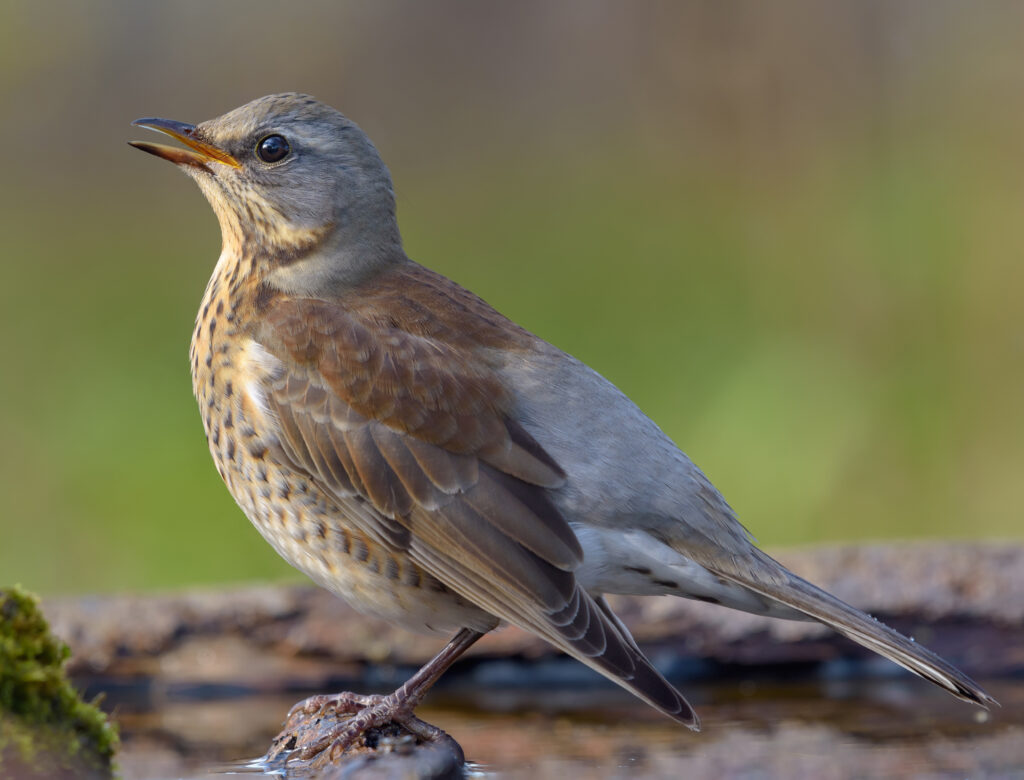
The Fieldfare is a large, colourful thrush with a grey head, chestnut back, and speckled breast. A winter visitor to the UK, it forms noisy flocks feeding on berries and insects. Native to northern Europe, it migrates south in colder months and is red-listed in Britain.

Find out more
Fieldfare.
Firecrest

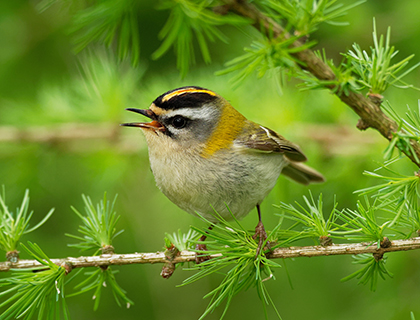
The Firecrest, one of Britain’s tiniest birds, is a rare gem occasionally spotted in Windsor Estate’s mature woodlands and ornamental gardens. Distinguished by its fiery orange crown bordered with black and white, it thrives among conifers and dense shrubs. This insectivorous species feeds on small invertebrates, making the Estate’s varied habitats ideal for its winter foraging. Its presence adds a touch of brilliance to Windsor’s rich avian diversity.

Find out more
Firecrest bird sitting on a branch with green foliage.
Great Spotted Woodpecker

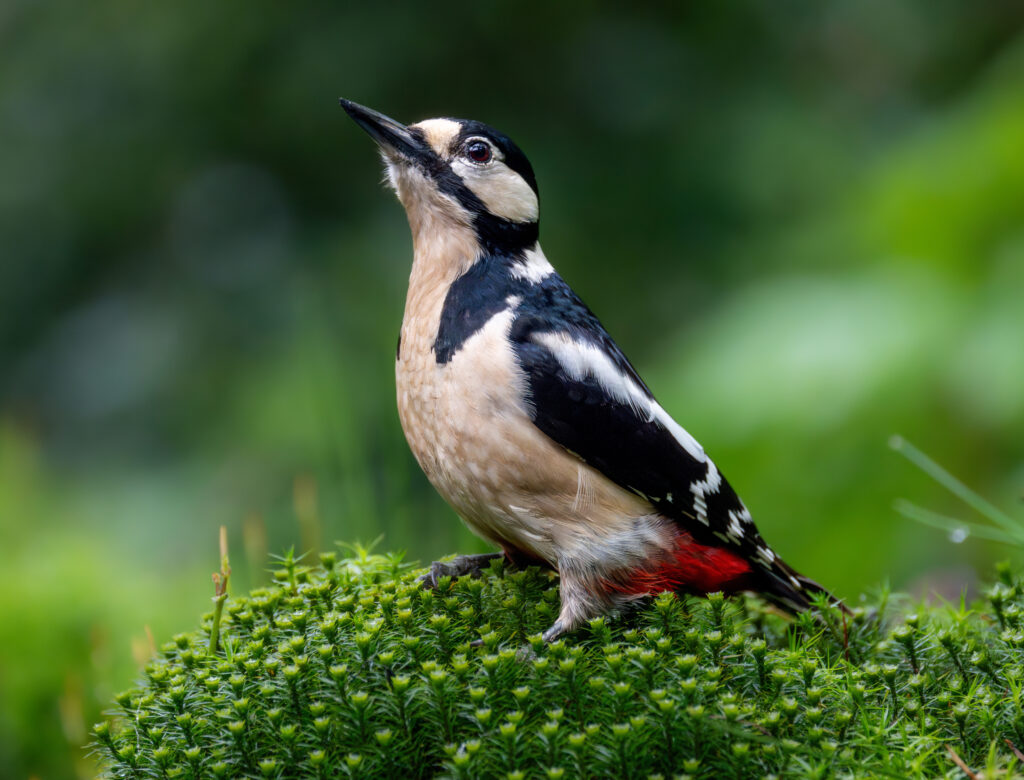
The Great Spotted Woodpecker is a striking black-and-white bird with a red patch on its belly and, in males, a red nape. Common in our woodlands and Forests, it feeds on insects, seeds, and nuts, and is known for its loud drumming on tree trunks.

Find out more
Great Spotted Woodpecker.
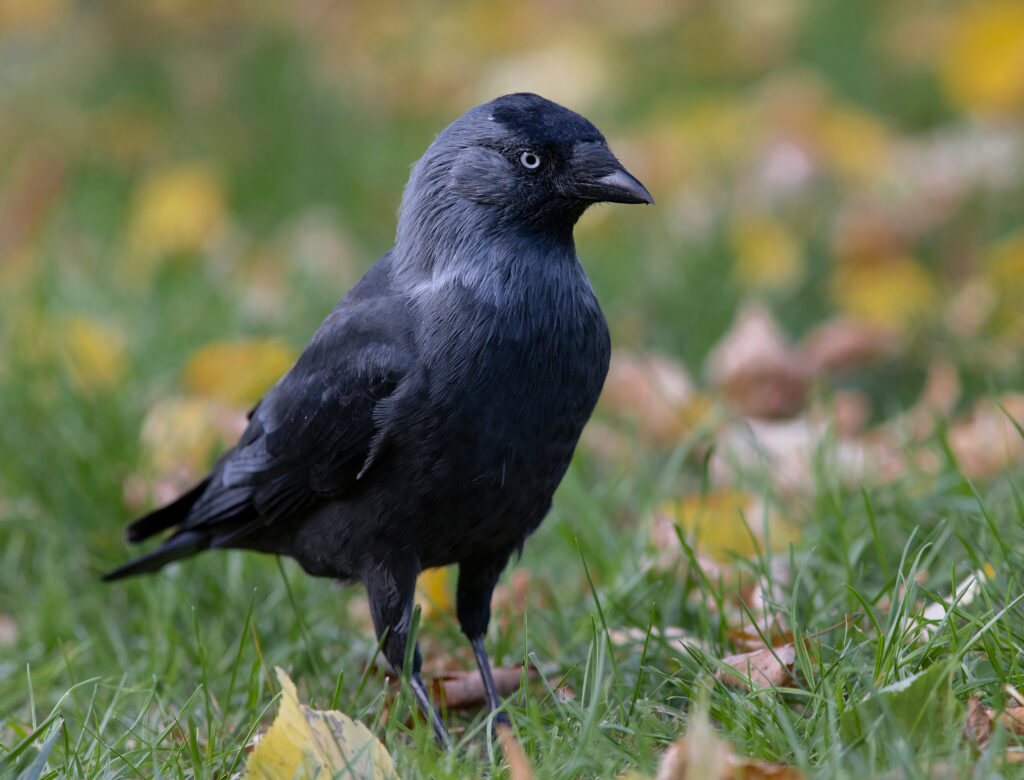
Jackdaw

This is a small black crow with a distinctive silvery sheen to the back of its head. Its pale eyes stand out from its plumage. The Jackdaw’s call – a familiar hard ‘tchack’ – gives it its name. It will often nest in chimneys, buildings, rock crevices and tree holes.

Find out more
Jackdaw.
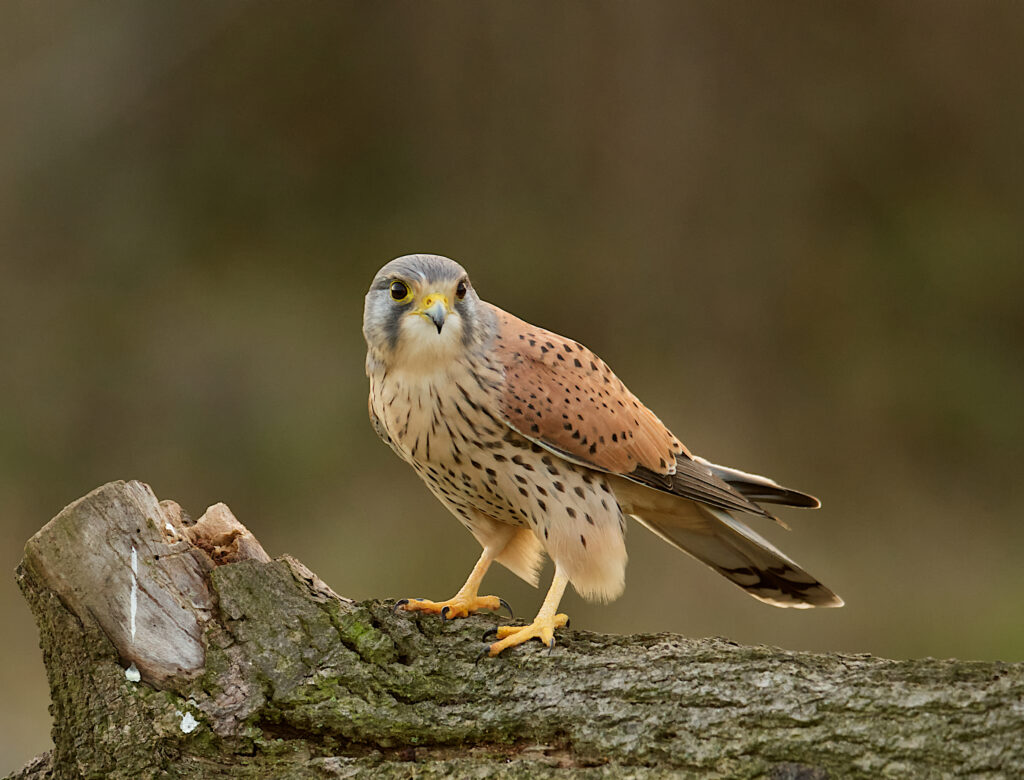
Kestrel

The Kestrel is a small falcon known for its hovering flight over open countryside. Males have grey heads and tails; females are browner. It hunts mainly voles and small mammals, nesting in tree holes or buildings. Once common, numbers have declined, earning Amber conservation status.

Find out more
Male Kestrel.
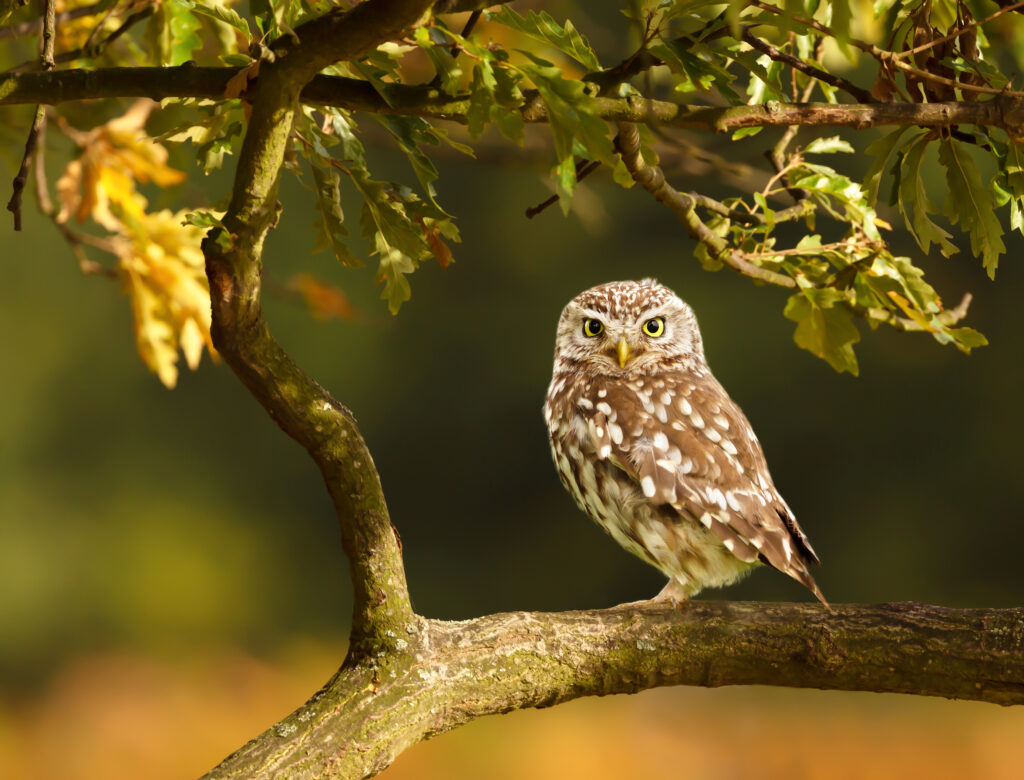
Little Owl

This small owl was introduced to the UK in the 19th century. It can be seen in the daylight, usually perching on a tree branch, telegraph pole or rock. It will bob its head up and down when alarmed.

Find out more
Little Owl.
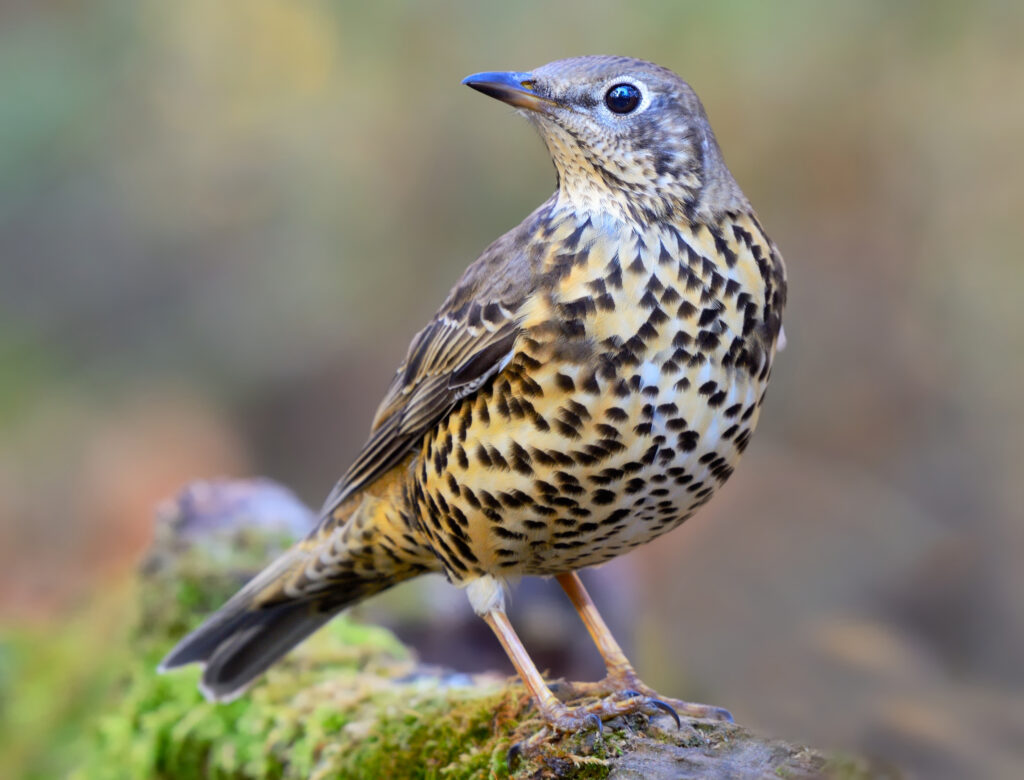
Mistle Thrush

The Mistle Thrush is a pale, black-spotted thrush – large and powerful. It stands boldly upright and bounds across the ground. In flight, it has long wings and its tail has whitish edges.

Find out more
Mistle Thrush.
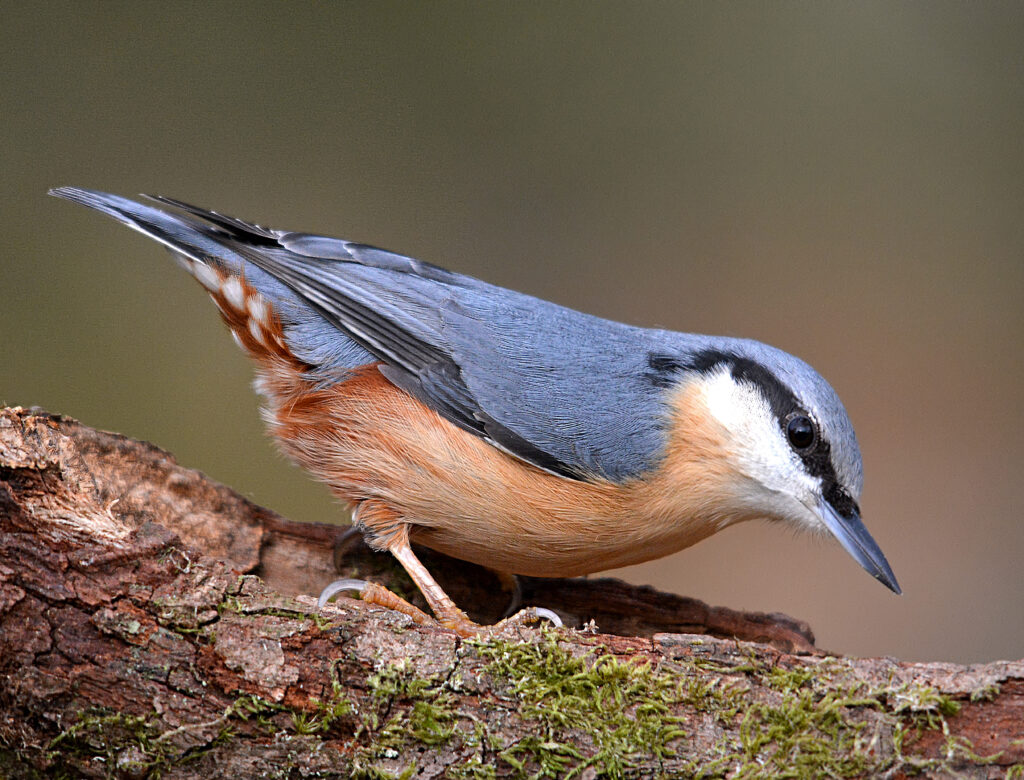
Nuthatch

The Nuthatch is a striking woodland bird often seen in Windsor Estate’s mature trees. Recognisable by its blue-grey back, chestnut flanks, and sharp bill, it is unique in its ability to climb down tree trunks headfirst. Feeding on insects, seeds, and nuts, it thrives in the Estate’s mixed woodland and parkland. Its agile movements and loud, ringing calls add character to Windsor’s rich birdlife throughout the year.

Find out more
Nuthatch.
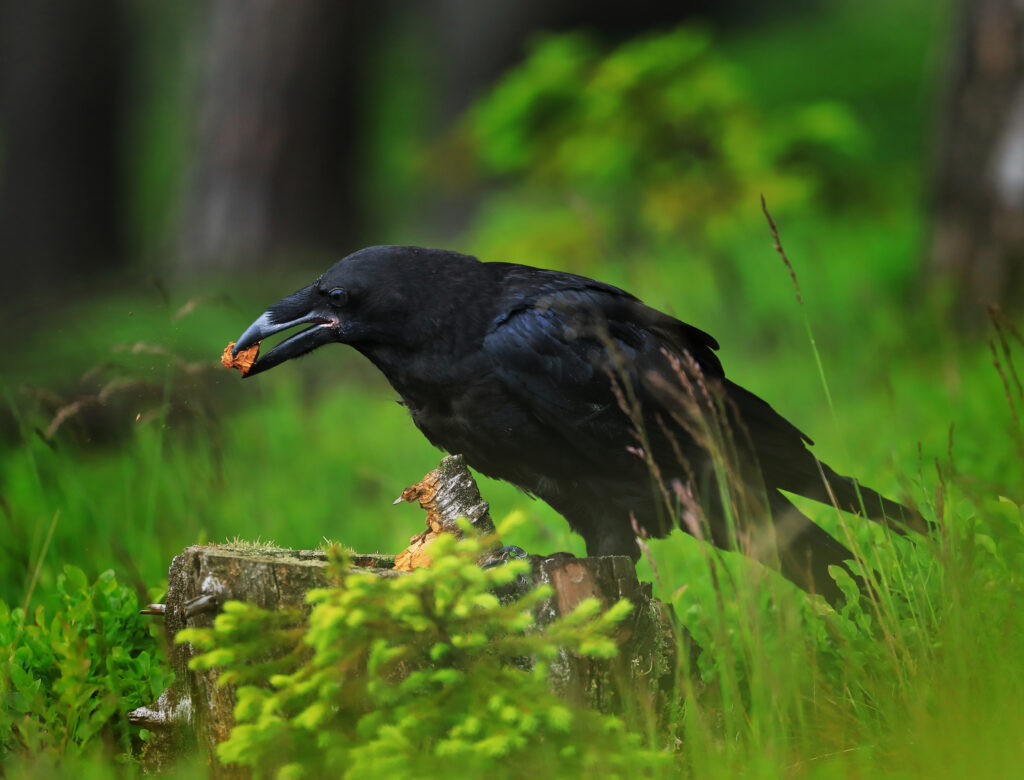
Raven

The common Raven is a large all-black bird, a member of the crow family. It is massive – the biggest member of the crow family. Look for its large bill and long wings. In flight, it shows a diamond-shaped tail.

Find out more
Raven.
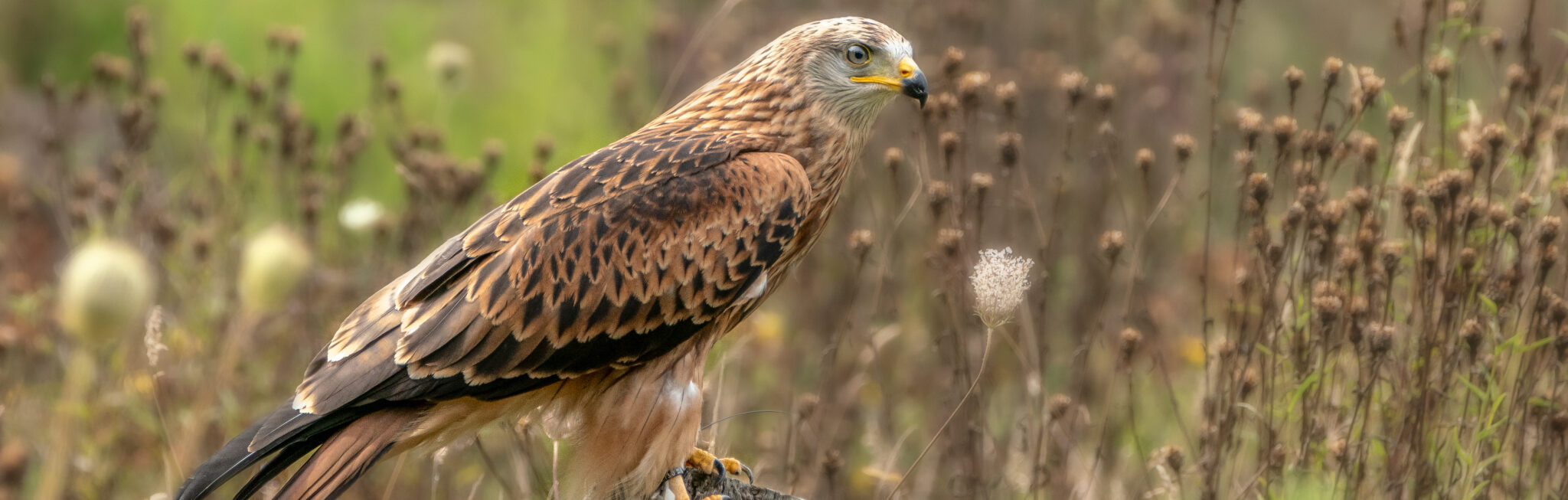
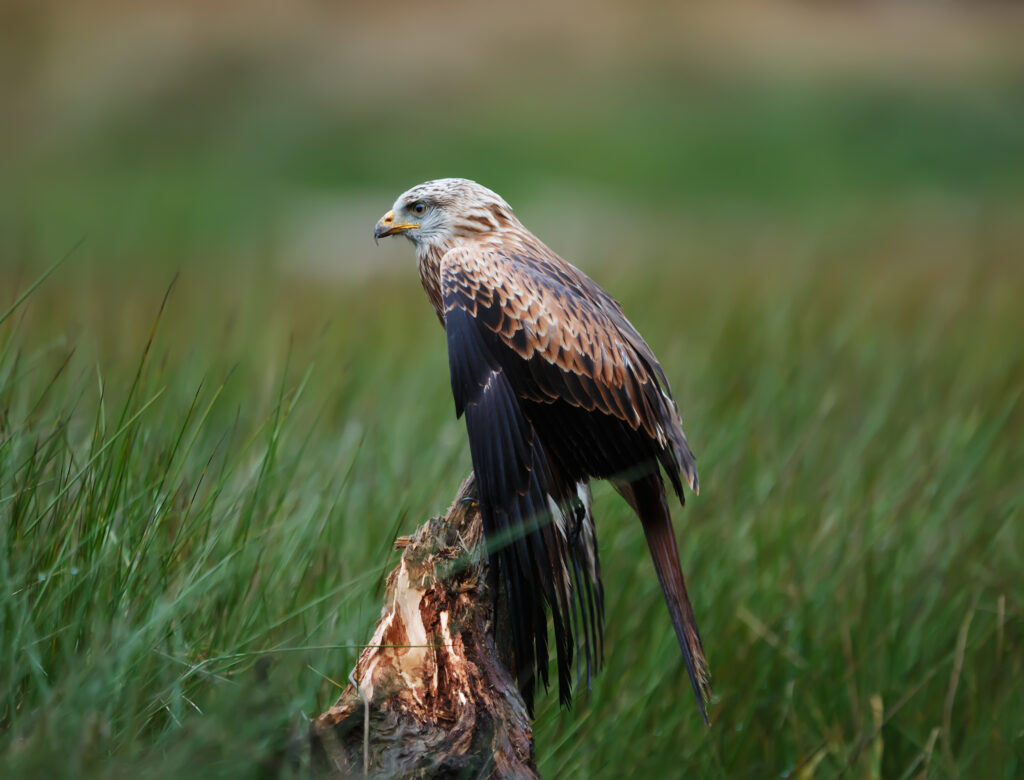
Red Kite

This magnificently graceful bird of prey is unmistakable with its reddish-brown body, angled wings and deeply forked tail. It was saved from national extinction by one of the world’s longest-running protection programmes.

Find out more
Red Kite.
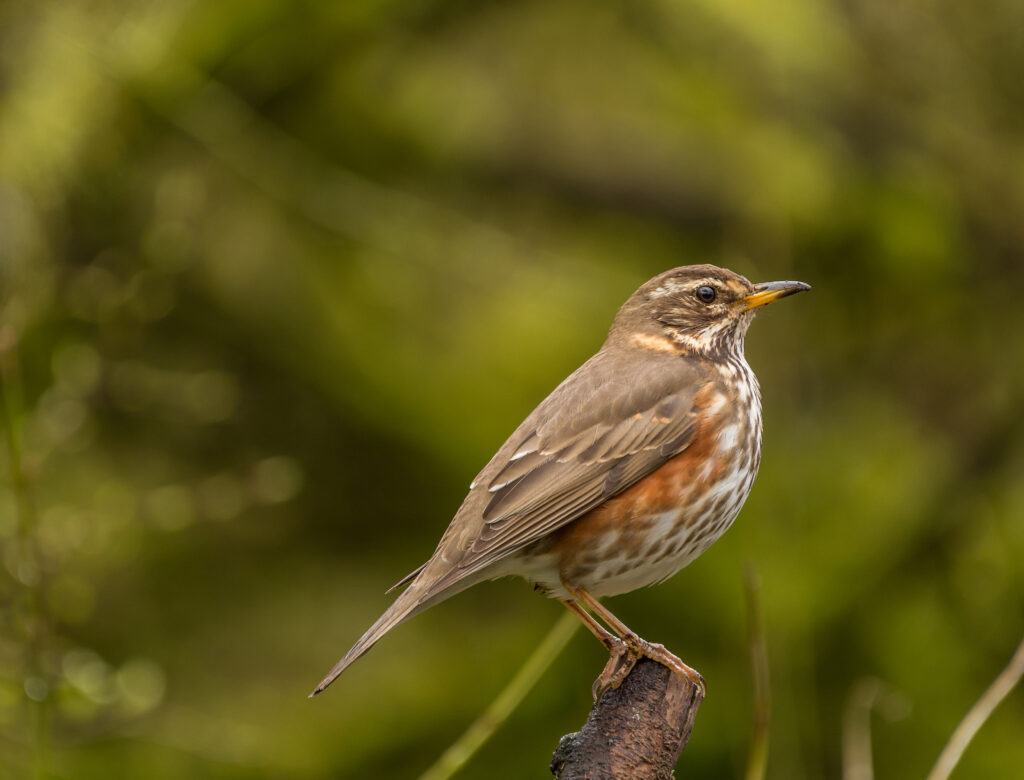
Redwing

The Redwing is a small thrush and a regular winter visitor to the Windsor Estate, often seen in flocks across open fields and berry-rich hedgerows. Its creamy eye stripe and orange-red flanks make it easy to identify. An omnivorous bird, it feeds on berries during colder months and switches to insects and earthworms when conditions allow, making the estate’s varied habitats ideal for its seasonal needs.

Find out more
Redwing.
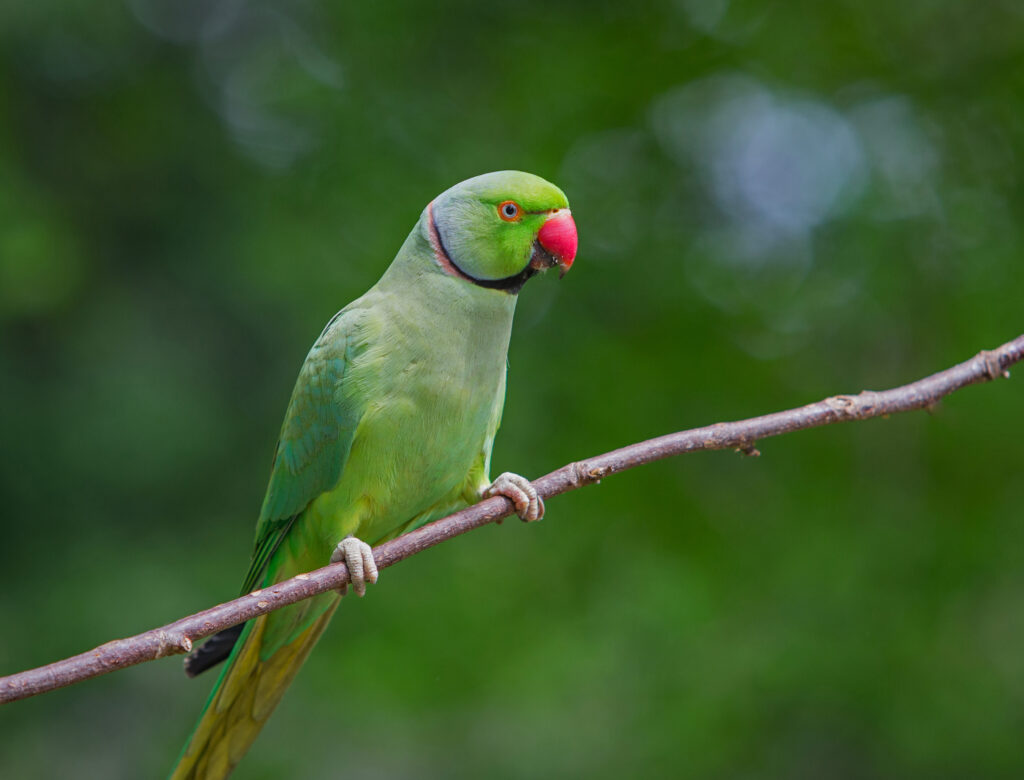
Ring-necked Parakeet

The UK’s only naturalised parrot, this exotic bird is common across Windsor Great Park. It roosts and nests in tree holes, and may be a problem for other hole dwelling species like bats, woodpeckers and owls. In winter they can form large flocks feeding on buds and berries, such as large hawthorn bushes in the Deer Park.

Find out more
Ring-necked Parakeet.
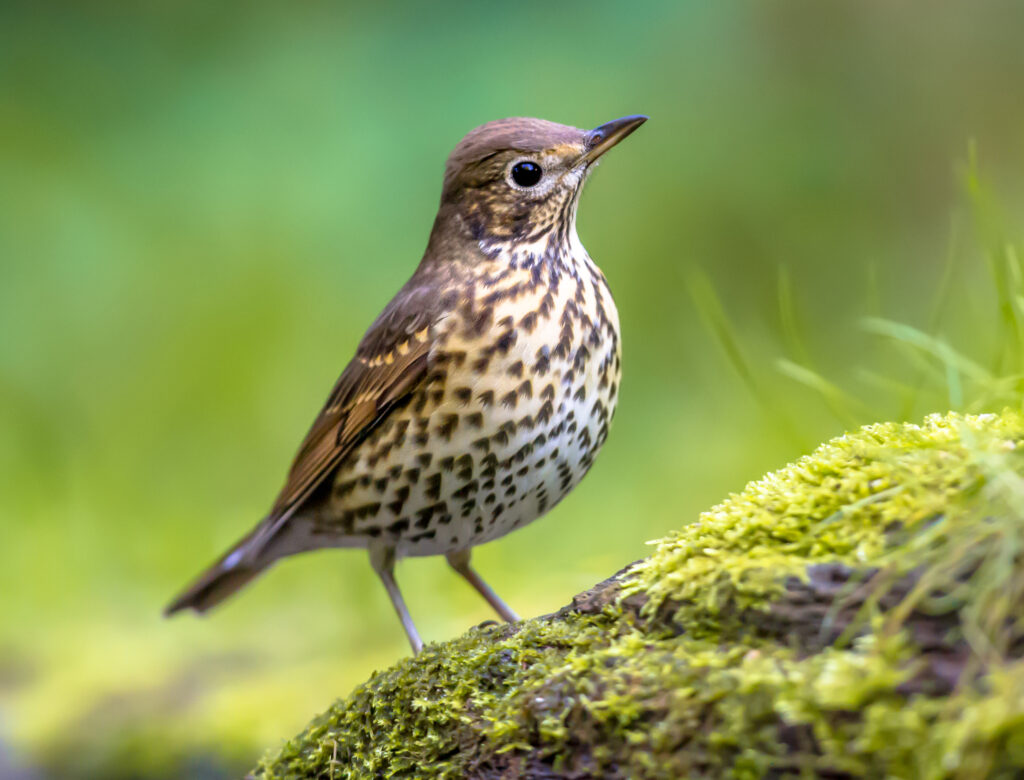
Song Thrush

The Song Thrush is a familiar resident of the Windsor Estate, celebrated for its rich, repetitive song that echoes through woodlands and gardens. Brown above with a speckled breast, it thrives in the Estate’s mixed habitats, feeding on snails, worms, and berries.

Find out more
Song Thrush.
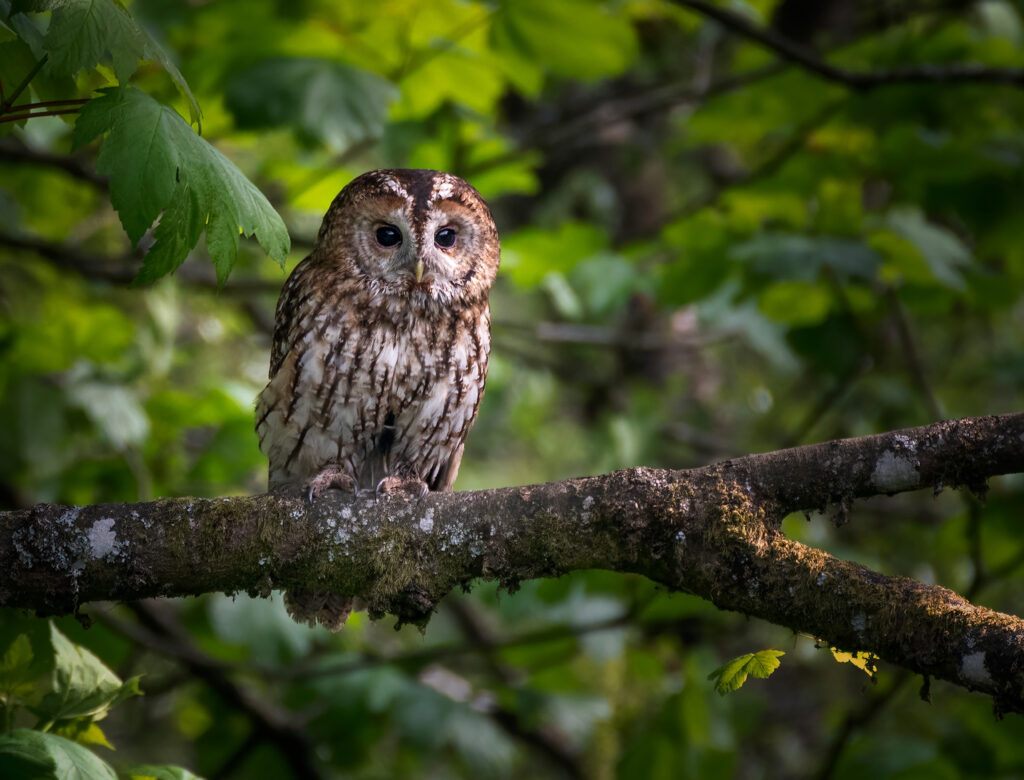
Tawny Owl

The Tawny Owl, Britain’s most common owl, is a nocturnal resident of Windsor Estate’s ancient woodlands and parkland. Known for its haunting “hoo-hoo” call, it roosts in tree cavities by day and hunts at night, feeding on small mammals, birds, and insects. The Estate’s mix of mature trees and open spaces provides perfect conditions for this secretive predator.

Find out more
Tawny Owl.
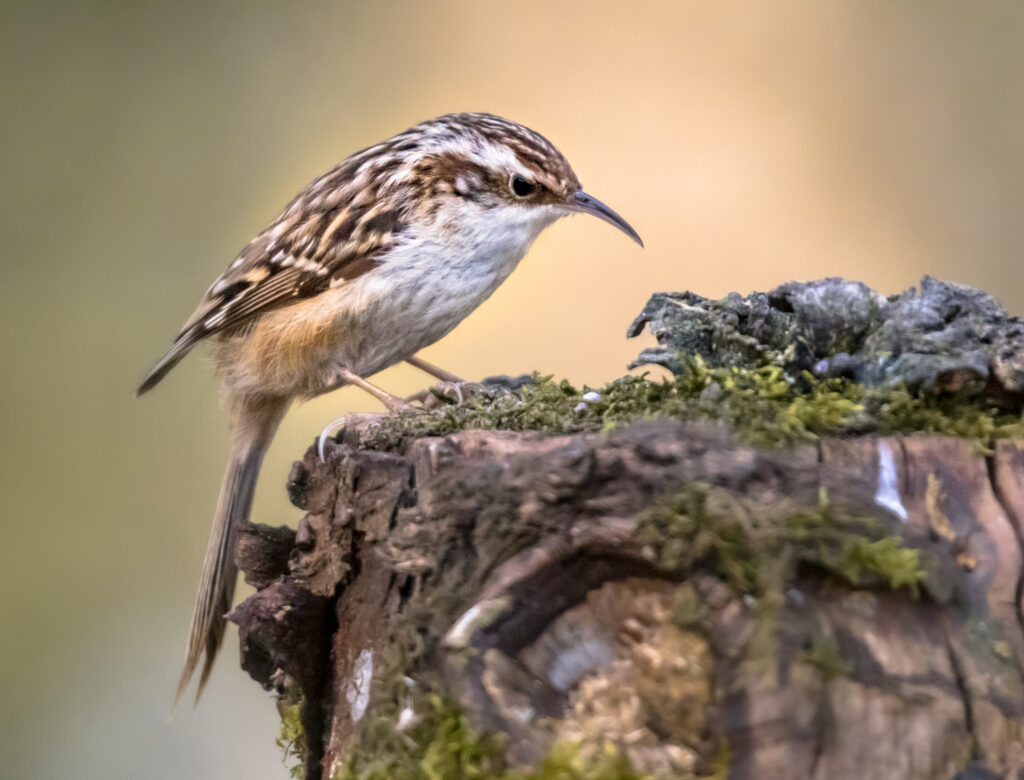
Treecreeper

The Treecreeper is a small, very active bird that lives in trees. It has a long, slender, downcurved bill, which it uses to pluck insects from underneath bark. It’s speckly brown above and mainly white below. It breeds in the UK and is resident here.

Find out more
Treecreeper.
Windsor Great Park
Windsor Great Park

More from us

News & Articles

FAQs

Careers

Get in touch

Contact us

Newsletter

Sign up to our newsletter

The Crown Estate logo.

User support

Accessibility

Site map

Our policies

Terms of use

Privacy statement

Cookies statement

Modern slavery act

Freedom of information

Designed by Bewonder*