‘He who marvels at the beauty of the world in summer will find equal cause for wonder and admiration in winter.’
John Burroughs, The Snow-Walkers, 1866.
Although this year, we seem to have had to wait a very long time for summer to give way to autumn, with the leaves staying on the trees a long way into October, our thoughts will soon be turning to the next season, winter.
In the same way as the other seasons, winter has two different start dates, the meteorological date begins on 1 December, and the astronomical date for winter begins on 22 December, the day of the Winter Solstice.
Unusually, the length of meteorological winter, which ends on the last day of February, can vary by one day every four years when we have a leap year. On those years, such as 2024, February is extended by an extra day and ends on 29 February.
Astronomical winter varies more often with the sun’s path but next year it will end on 20 March.
The origins of winter
The word ‘winter’ has a long history. It is probably derived from the old German word, ‘wintruz’, which means time of water, referring to the nature of the season. Similar forms of the word are used all over Europe. The word’s use was well established by Anglo-Saxon times when a person’s age was measured by their number of winters.
The Latin word for winter, hibernalis, which means wintery, has also been adopted into our language to describe animal behaviour in winter, hibernation.
Many factors influence the weather during the winter months in the UK. In winter, westerly winds from the Atlantic are strengthened, bringing milder maritime air to the UK but also increased rainfall and more windstorms. In winter the polar vortex affects this wind pattern making it colder and stronger, bringing snow and ice.
At this time of the year, the aurora borealis manifests itself strongly in the Arctic and Antarctic areas. This phenomenon results from the collision between the atoms of the atmosphere at high altitudes and energetically charged particles, creating coloured natural lights in the sky.
The aurora borealis is named after Aurora, who used to be the Roman goddess of dawn, and after the Greek term “boreas” which refers to the northern wind.
Winter in art
Winter landscapes are a popular subject for paintings, first appearing in the 15th Century after a long legacy of paintings primarily focused on religion.
The first artistic representations of snow came in the 15th and 16th Centuries, which corresponds, with what is often called the mini-ice age which started in 1560.
The winter of 1564–1565 was said to be the longest and most severe for more than a hundred years, and for the next 150 years northern European winters were comparatively snowy and harsh. Crop failures, heavy snowfalls and advancing glaciers that consumed Alpine pastures and villages made the era a grim one for European peasants.
It was early in the frigid winter of 1565 that Pieter Bruegel the Elder created The Hunters in the Snow, regarded as the first true winter landscape painting depicting village life in a snowbound Flemish setting. This showed not only hunters with pikes trudging off with their dogs to seek game, but also villagers gathered around a fire, frozen ponds with skaters, and houses and churches in the distance – all against a fanciful backdrop of snow-covered mountains.
Winter traditions
Winter is the time for storytelling. As the days grow shorter and the nights longer, families gathered around the fire to share tales, passing them down from one generation to another. A few examples from around the world are:
- Yukionna, a type of snow entity from Japanese folklore with magic powers over the cold and capable of stealing the souls of those whom she bewitches
- The yeti, also known as the abominable snowman, and associated with the eternal cold and snow of the Himalayan mountains of Nepal and Tibet
- Figures like Father Christmas and Santa Claus
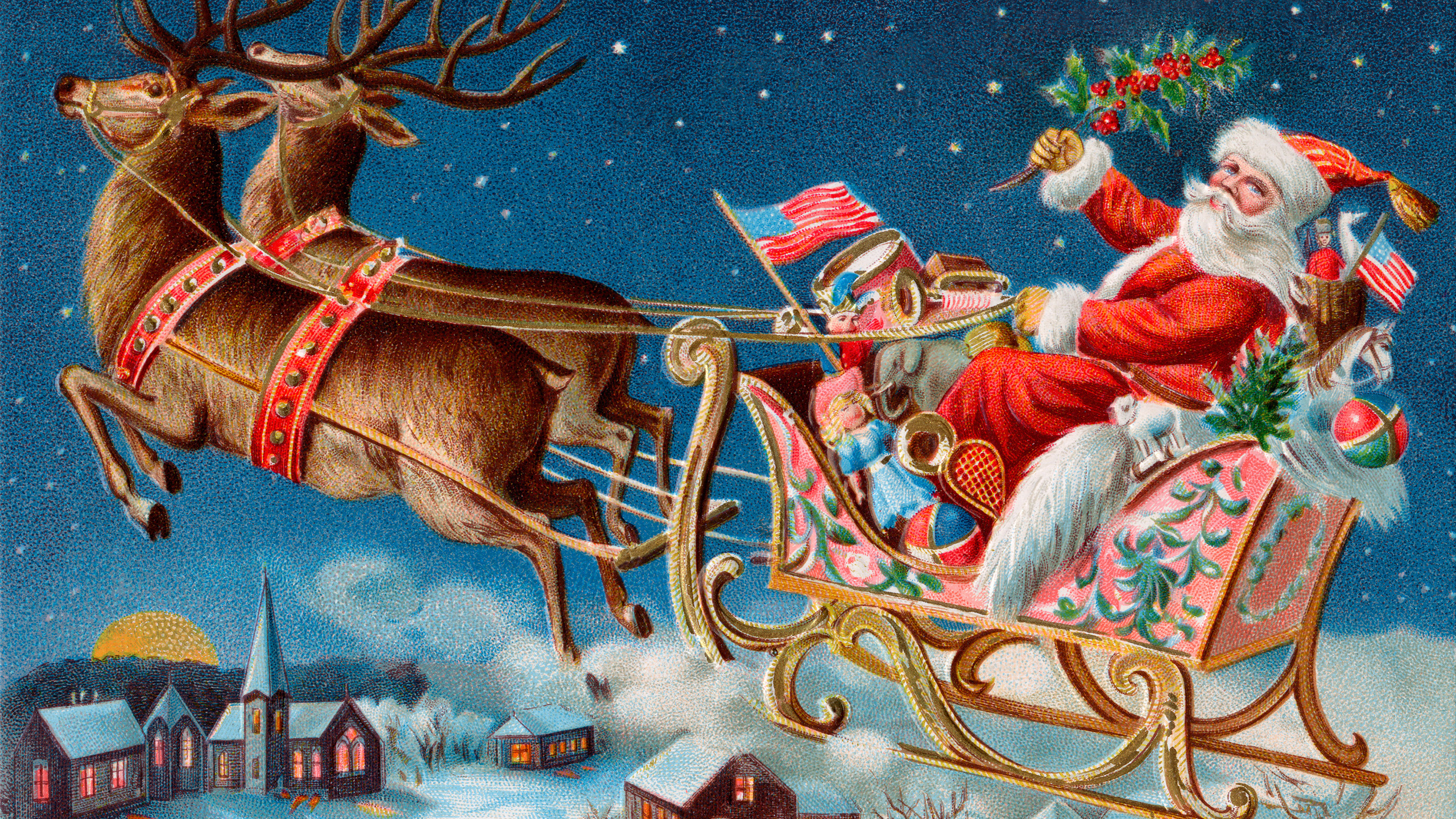
A 1906 vintage illustration of Father Christmas
Christmas is central to the Christian year, historically in the west it lasts twelve days culminating with Twelfth Night on 5 January or 6 January depending on the Christian denomination. Some Christians will also then celebrate Epiphany on January 6, known as the Three Kings’ Day.
Other celebrations across the world around this time of year include the Jewish festival Hanukkah, the Festival of Lights; Diwali, the Hindu festival of lights; and Kwanzaa, a non-religious African American holiday that celebrates African family and social values.
Winter in the garden
In our gardens winter is a time when everything seems to slow down or stop. Annuals plants will dwindle while perennials and biennials undergo a process called dormancy, a survival mechanism that helps them conserve energy and protect themselves from harsh weather conditions before growing again in the spring.
The biggest killer for plants in the winter is frost, which causes the water in plant cells to freeze and damage the cell wall.
Frost-damaged plants are easy to spot, their growth becomes limp, blackened, and distorted.
To survive the harsh winter conditions, trees and plants have therefore developed various adaptations, for instance, they can produce antifreeze proteins that prevent ice crystals from damaging the cell walls or concentrate excess sugars to act in the same way.
While the plant might look dormant, the roots of trees and plants continue to develop and thrive below ground, being fed with stored up starches until warm weather returns.
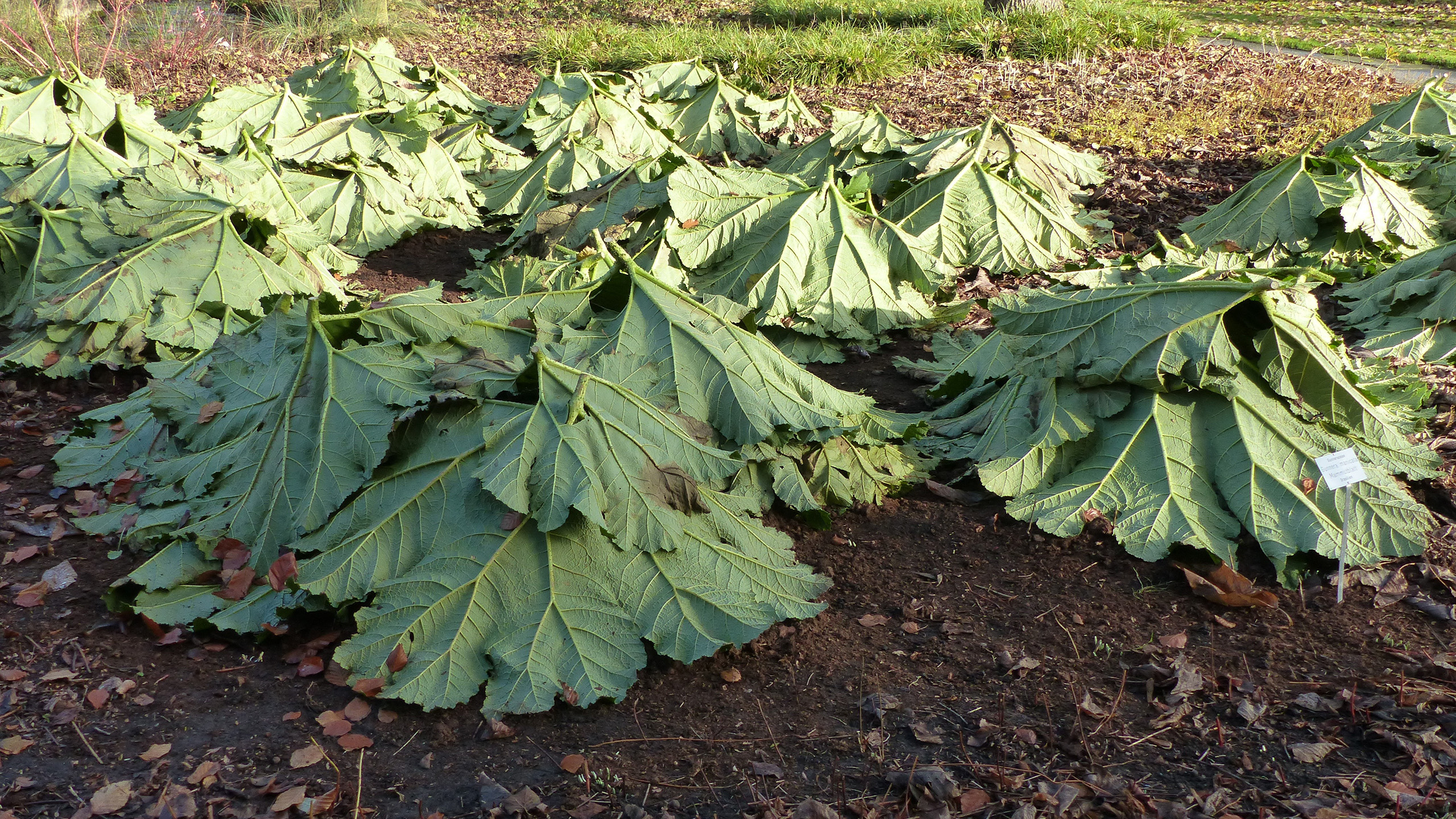
Gunnera prepared for winter
Soil temperatures are usually much higher than the air temperature in winter and a layer of snow acts like a blanket to keep extreme cold from penetrating too far and damaging roots. More importantly, it can protect the ground from rapid freezing and thawing that can harm the roots and encourage unseasonable new growth which will be susceptible to a sudden freeze.
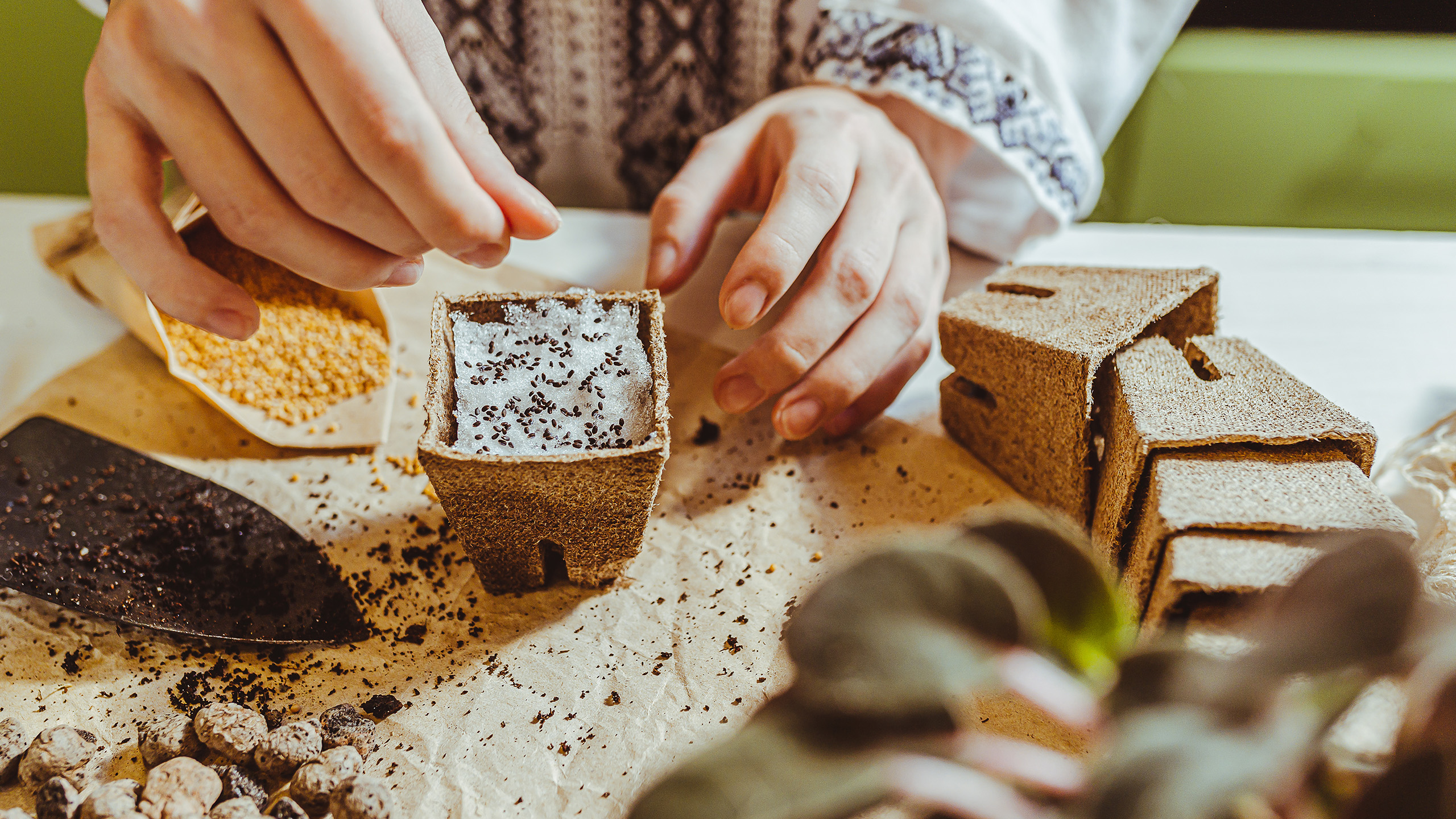
During the winter, the promise of spring is hidden in the ground in the form of seeds and many of them rely on the cold of winter. Contrary to what you might think, in some species it is the cold that first prepares the seed for growth, rather than the warming temperatures of spring.
For those seeds, the season’s cycle of frost, harsh winds and bitter rains slowly softens the seed’s tough coat, rolling it around in the soil, freezing and then thawing again, until the seed can take up water and germinate. This is known as stratification, or cold treatment.
Common plants that require stratification include apples, sloes, hawthorns, plums and acorns, but also smaller seed from herbaceous perennials such as aquilegia, lavender, sage, sedums, perennial sweet peas, wild rose and hops.
Only then is the stage set for spring.
Written by Diana Bendall, Chair of The Friends of The Savill Garden