There is light at the end of the tunnel especially when it comes to planning and planting for winter colour and interest.
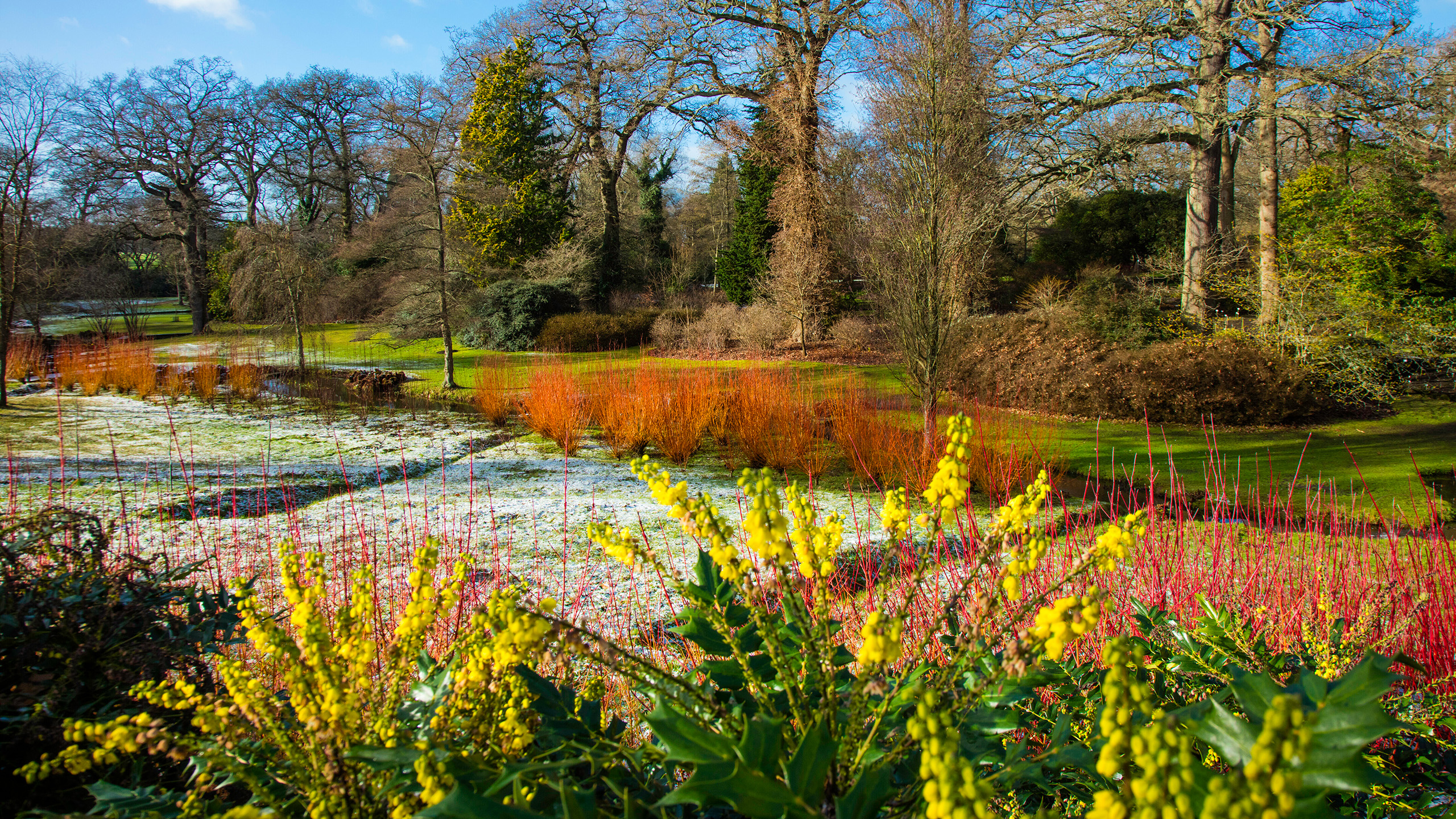
It is a particularly valuable time of year to take the opportunity to provide a food source for wildlife and for us to enjoy the colour, textures and foliage of many plants.
Heathers
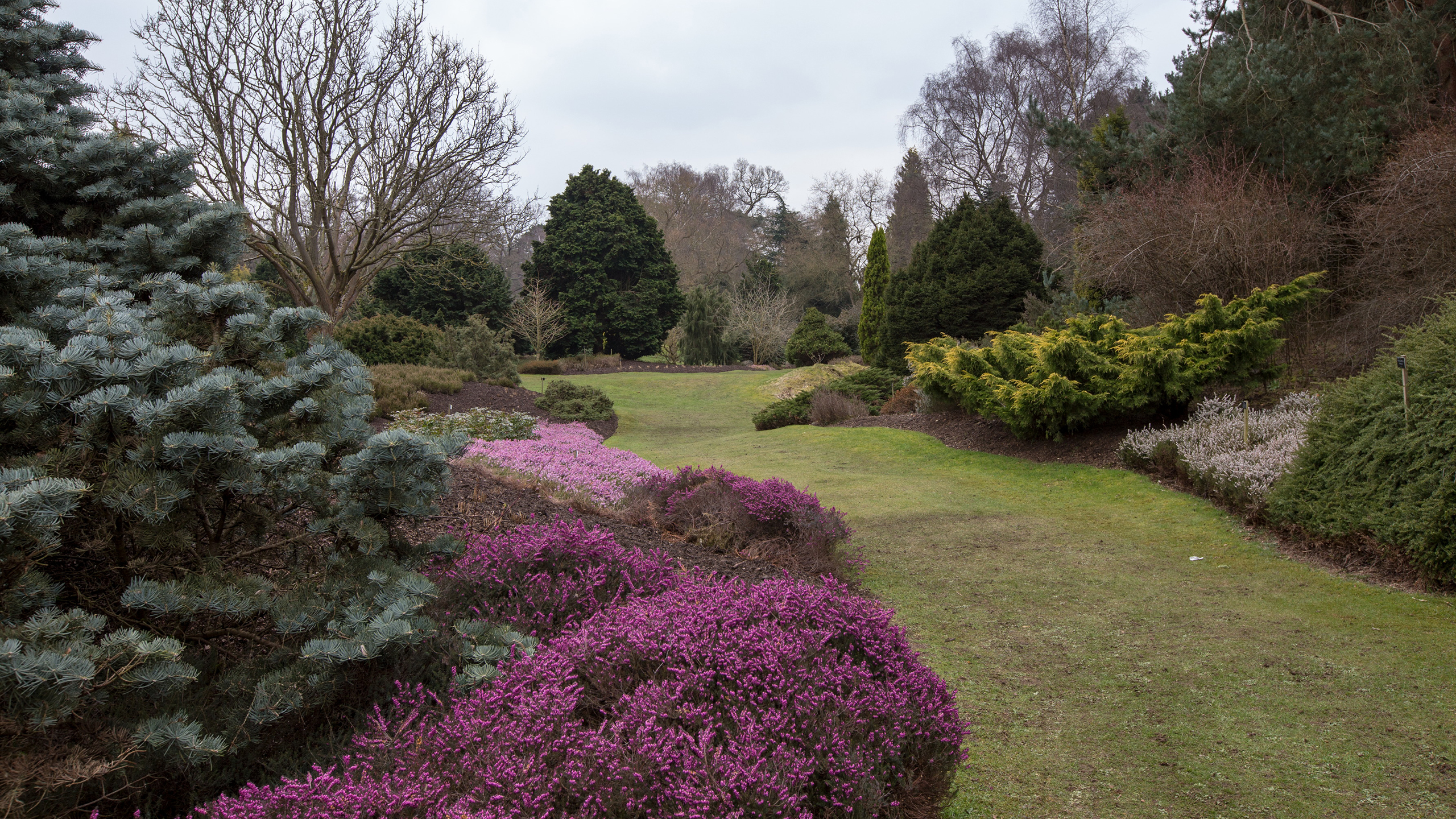
One of the best group of plants to provide sources for nectar are the winter flowering heathers of Erica carnea (winter heath) with its dark reddish to pink bell-shaped flowers starting in late winter to early spring.
Another beneficial heath is Erica x darleyensis (a hybrid between E. carnea and E. erigena), this winter heath produces lots of rose-pink bell-shaped flowers over long periods in the winter months.
Conifers
Complimenting the winter heaths for flower and textures are the dwarf conifers.
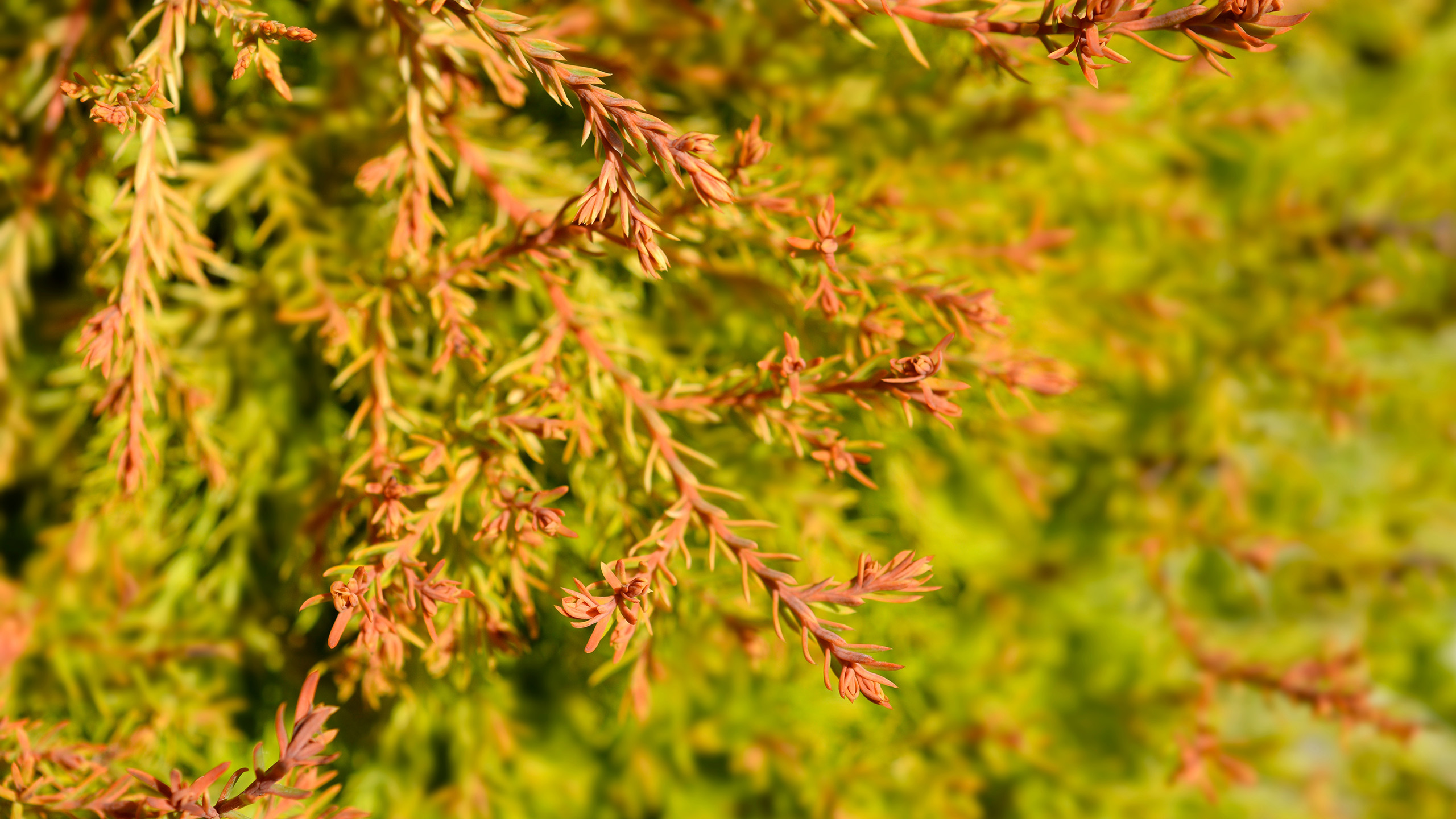
There are so many beautiful dwarf conifers like Thuja occidentalis ‘Golden Anne’ and Picea glauca ‘Alberta Blue’ with golden and blue foliage respectively. Added with a selection of the winter heaths makes for a desirable combination as seen in the Heather Garden in the Valley Gardens.
Thuja occidentalis ‘Golden Anne’
Wintersweet
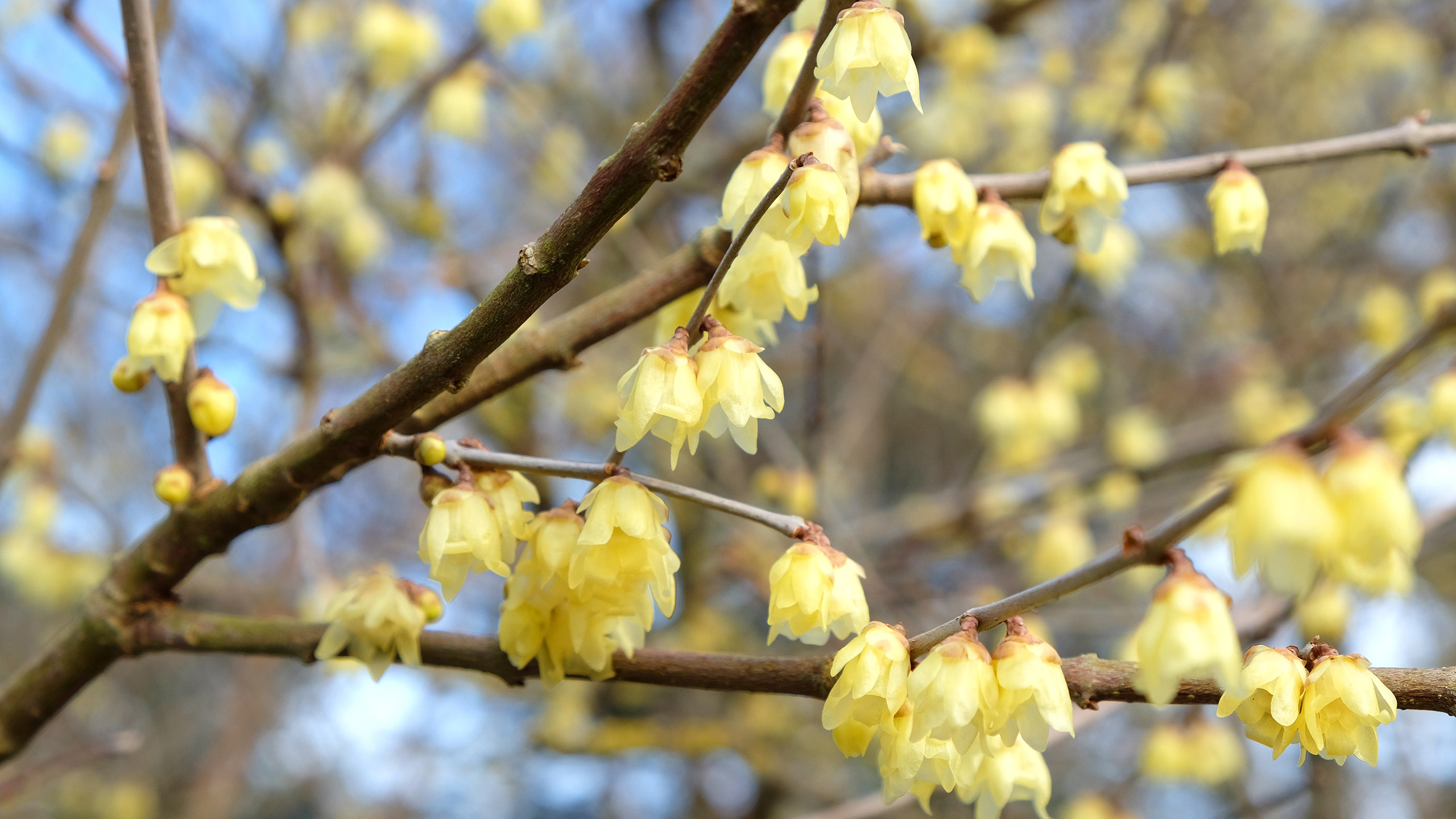
One of the most desirable scented flowers for winter interest is the wintersweet (Chinomanthus praecox) which is more likely to be found growing against a warm wall to protect the delicate flowers from frost.
The wintersweet in The Savill Garden is growing in the open in the Winter Garden and the top section of the middle ride. The flowers are light yellow in colour with a dark purple centre and produces a rich sweet scent.
Daphne
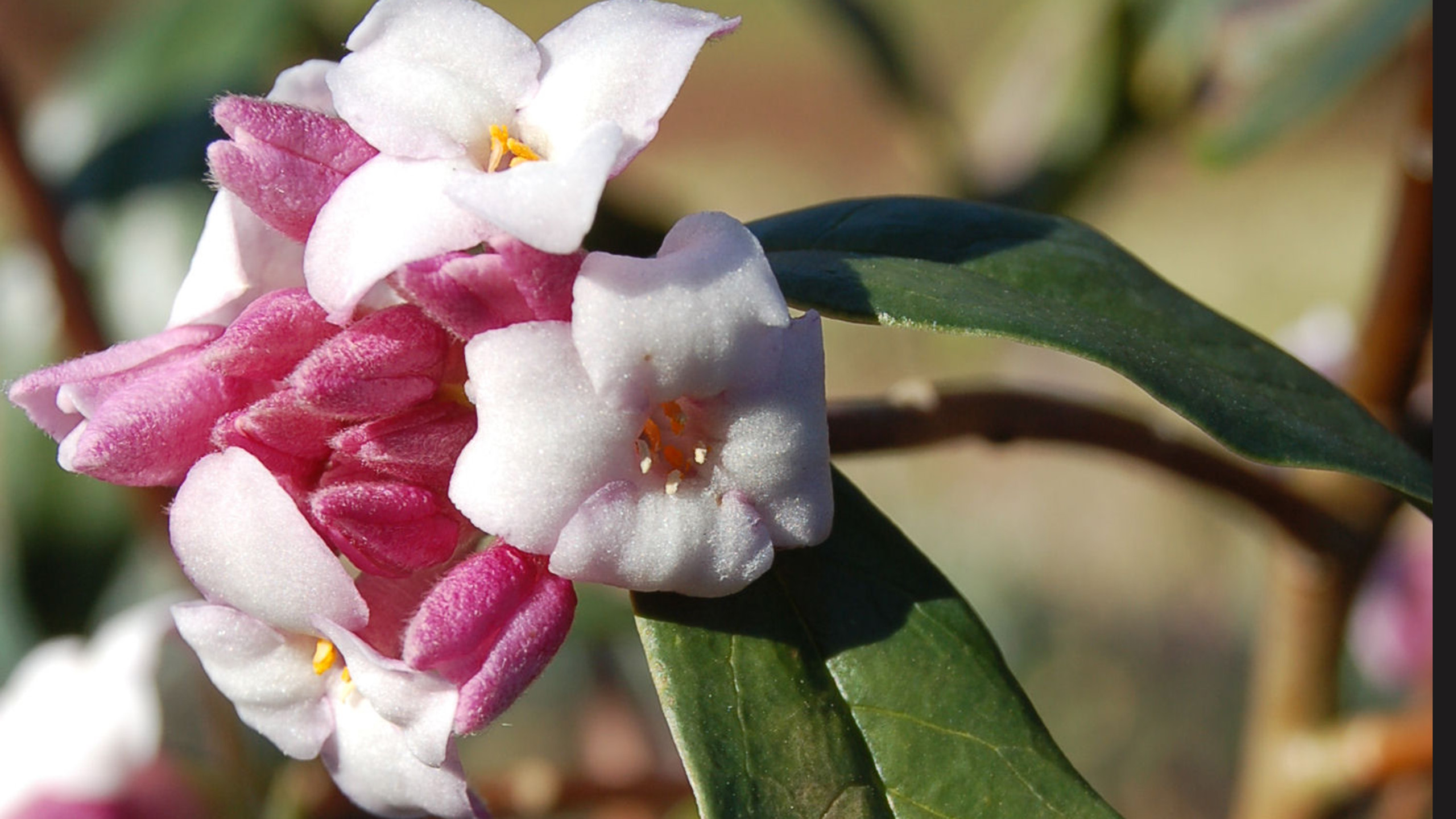
Complimenting the wintersweet in the Winter Garden is the Daphne bholua ‘Jacqueline Postil’, one of the best and must-have shrubs that produces a palette of rich pink, extremely scented flowers with a small yellow centre.
Daphne shrubs are easily propagated from suckers that the plants produce.
Mahonias
One of the most versatile plants for winter colour and scent, and a National Collection at Windsor are the mahonias. The most popular is Mahonia x media ‘Charity’ and M. x media ‘Winter Sun’, both remarkably close as they have the same parentage.
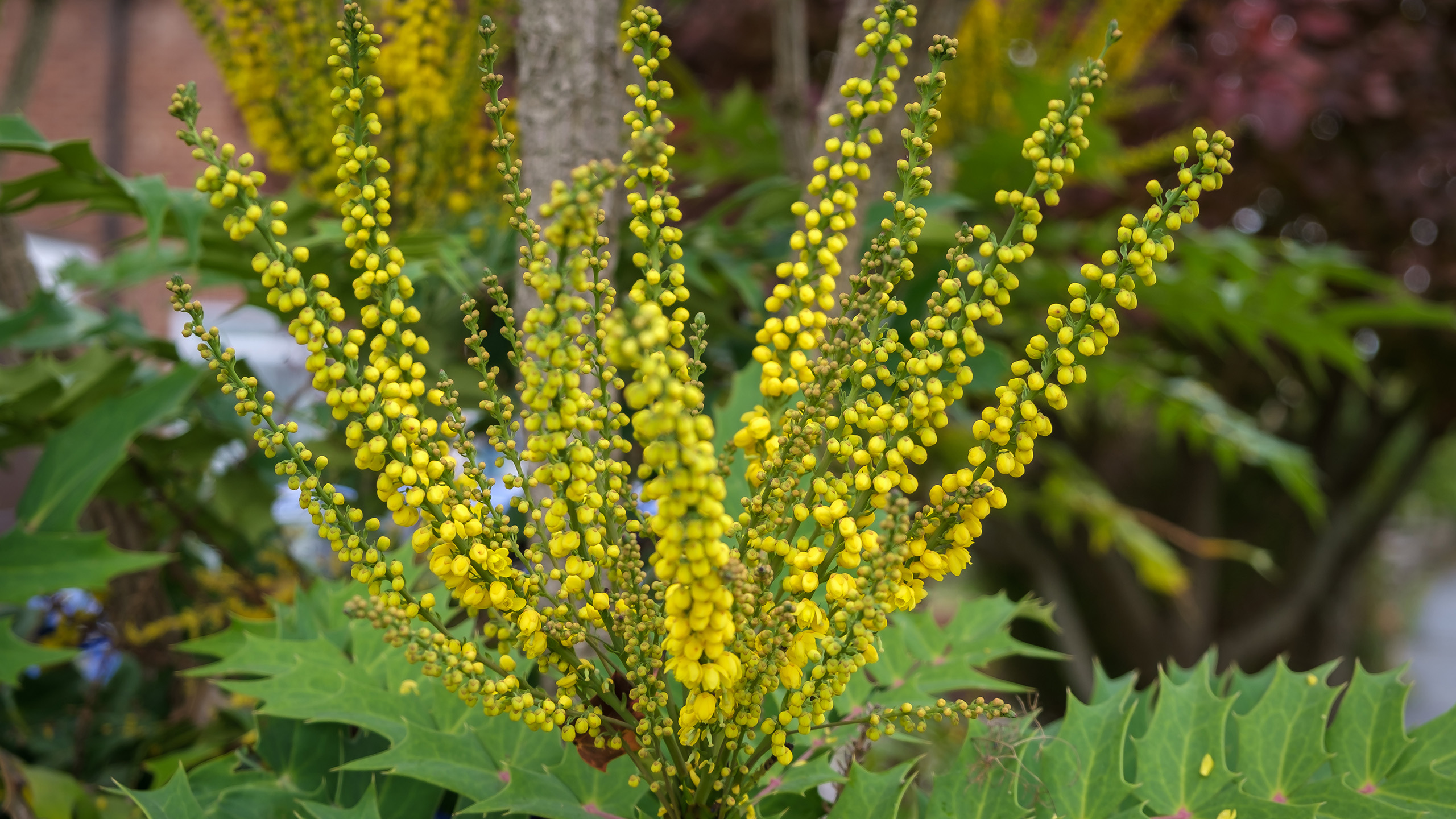
Mahonia x media ‘Charity’ can be found in all the gardens at Windsor, with the most visible in the Winter Garden in The Savill Garden. The erect yellow panicles of flowers are produced from November to the New Year and followed by purplish blue berries.
For architectural foliage in a mahonia, look no further than the M. oiwakensis ssp. lomariifolia with its superb symmetrical leaflets and handsome erect yellow flowers in shorter racemes than other winter flowering mahonias.
There is an excellent specimen at the top of The Savill Garden near the Summer House. A walk through The Queen Elizabeth Temperate House in The Savill Garden will highlight a small number of winter flowering mahonias.
Mahonia x media ‘Charity’
Witch hazel
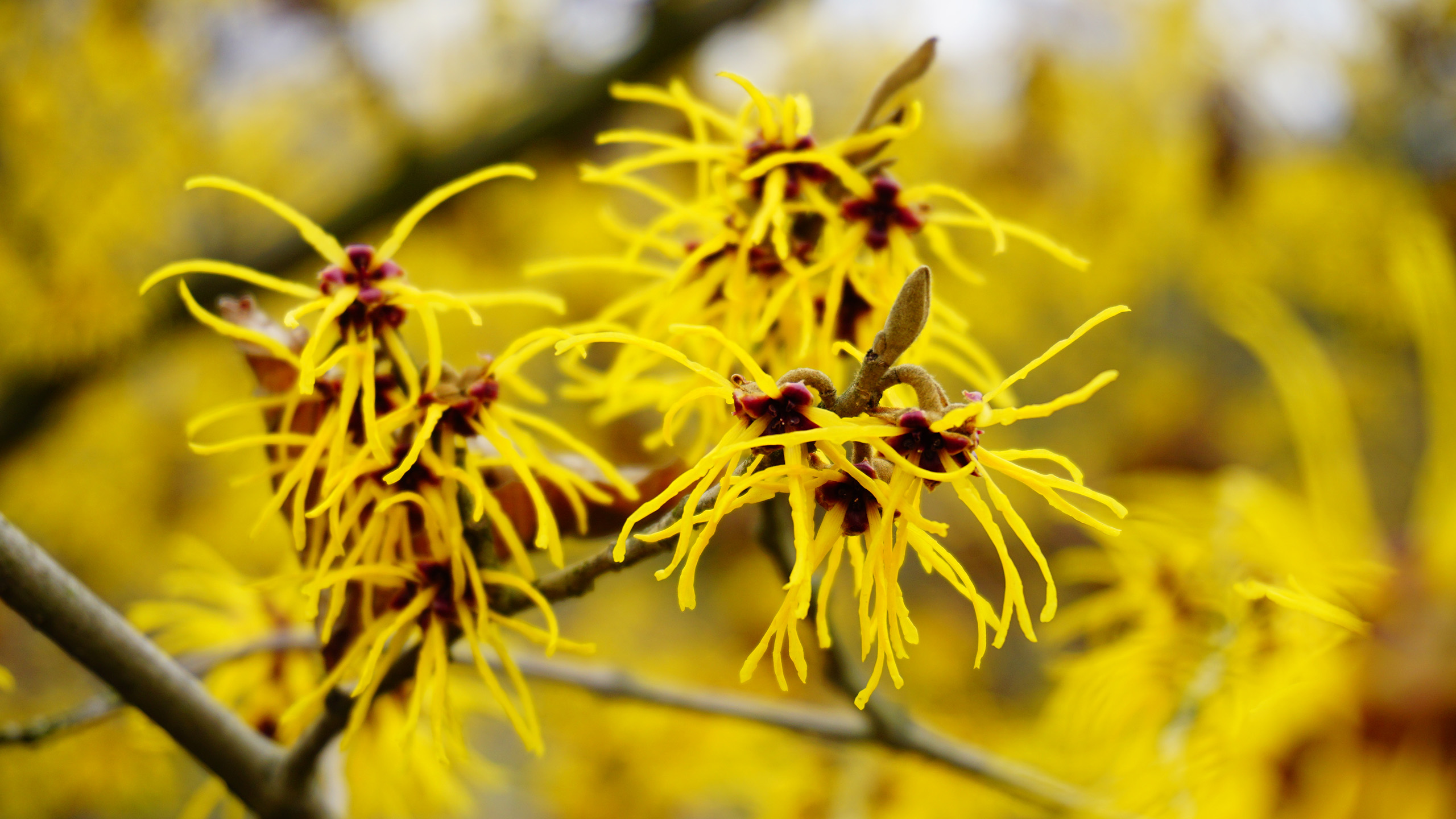
Given the right conditions in the garden, the Chinese witch hazels are a beautiful winter flowering shrub. The choice, selection and range of colours are now better and brighter than they have ever been.
Some of my favourites can be seen in the Valley & The Savill Garden, and particularly in Chapel Wood Arboretum. There are a few autumn flowering plants like the witch hazels from the USA namely Hamamelis virginiana which give a taster of what is to come later in the winter.
If space is a premium and the choice is only one – I still recommend H. x intermedia ‘Pallida’ as one of the best with its lighter yellow flowers and scent.
For orange flowers I would recommend Hamamelis x intermedia ‘Aurora’, a Dutch selection with a very upright habit and highly fragrant coppery orange flowers which are very striking in the right place.
H. x intermedia ‘Diane’ is one of the best red flowering witch hazels along with good autumn foliage. Perhaps not the best scent but it does have a place in the garden.
In general, Chinese witch hazels require a good soil on the acidic side and must not dry out in hot summers – they detest prolonged droughts and thin sandy soils.
Christmas box
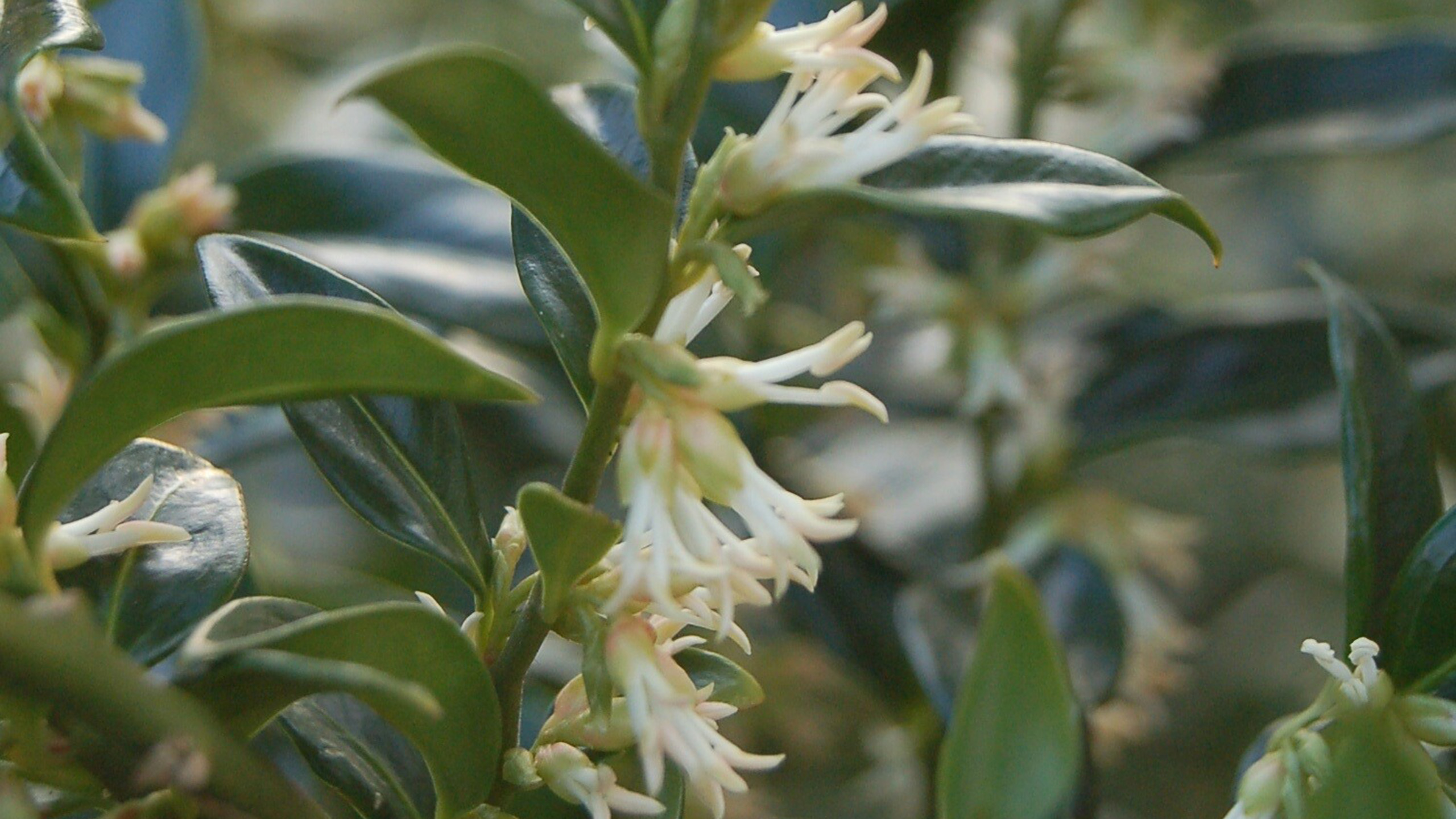
The Christmas or sweet box (Sarcococca spp) are an ideal small evergreen shrub, useful for a range of soil types from chalk to fertile soils. They are a good companion plant for the front of a border or as a low hedge. They normally flower from December through to early spring with quite distinct clusters of scented flowers.
For a compact evergreen shrub growing to three to four feet then Sarcococca confusa is ideal. The scented flowers are followed by small but numerous black fruits.
For a larger evergreen shrub then Sarcococca hookeriana var digyna is ideal, it has noticeable reddish stems and flowers in late autumn through to the new year.
For red berries then Sarcoccoca ruscifolia is a must – growing anywhere from three to five feet.
Several sweet box can be seen in the Valley Gardens but especially in the Winter Garden in The Savill Garden
Camellias
Finally, and by no means least, are the autumn and winter flowering camellias.
These oriental, evergreen, medium to large shrubs are a welcome sight in the darker months.
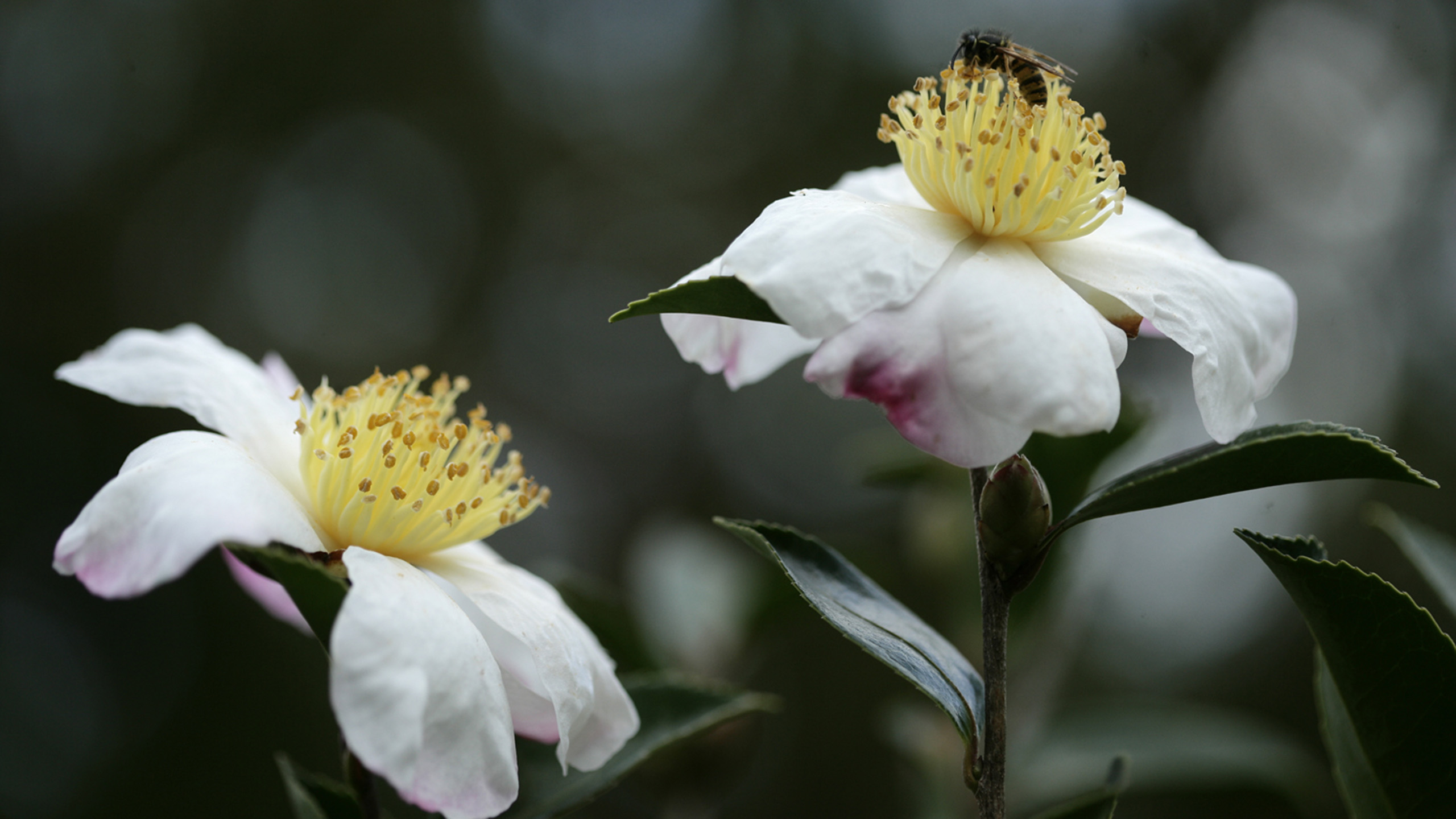
The late autumn flowering species include the Camellia sasanqua, a native to Japan which is one of the lesser known groups of the camellias we grow in our gardens. The best known is Camellia sasanqua ‘Narumigata’, a beautiful free flowering slightly delicate camellia with single white flowers and a hint of pink. It is easy to cultivate given some shelter from frost. It can be pot grown if acidic soil is an issue.
Similar to the sasanqua camellias is the hybrid Camellia x vernalis (a hybrid between C. sasanqua and C. japonica). The best and most recognisable cultivar is ‘Yuletide’ with red flowers and a yellow boss of stamens.
Soon into the New Year, the Camellia japonicas start flowering with the very recognisable C. japonica ‘Nobilissima’, a superb double white which keeps on flowering for weeks and during the darkest days of winter.
One of my favourites is Camellia ‘Mrs D W Davis’, a delightful winter flowering shrub with large semi double blush pink flowers that is best seen in the Temperate House at The Savill Garden all over the winter months, and later in spring in the Valley Gardens.
Written by John Anderson, Keeper of the Gardens