‘Sumer is icumen in
Lhude sing cuccu’
These are the words of one of the earliest English rounds or part songs.
The earliest manuscript version extant was probably written in the Wessex dialect of Middle English between 1261 and 1264, so the word ‘summer’ or ‘sumer’ was clearly in use by then.
However, for at least four hundred years previously, in Old English the word ‘sumor’ was used to refer to the hot season of the year and the derivation of this word goes back even further to its Proto-Germanic root ‘sumra’.
The earliest manuscript version By the 1300s, ‘summer’ was being used as an adjective either to describe something pertaining to summer or more figuratively as something lasting only as long as pleasure or prosperity.
More recently, the word has also been used as a verb, we may describe certain birds as summering in the UK and who can forget all those goats going up the mountain in ‘Heidi’?
The beginning of summer
As with all the other seasons, summer has two start dates.
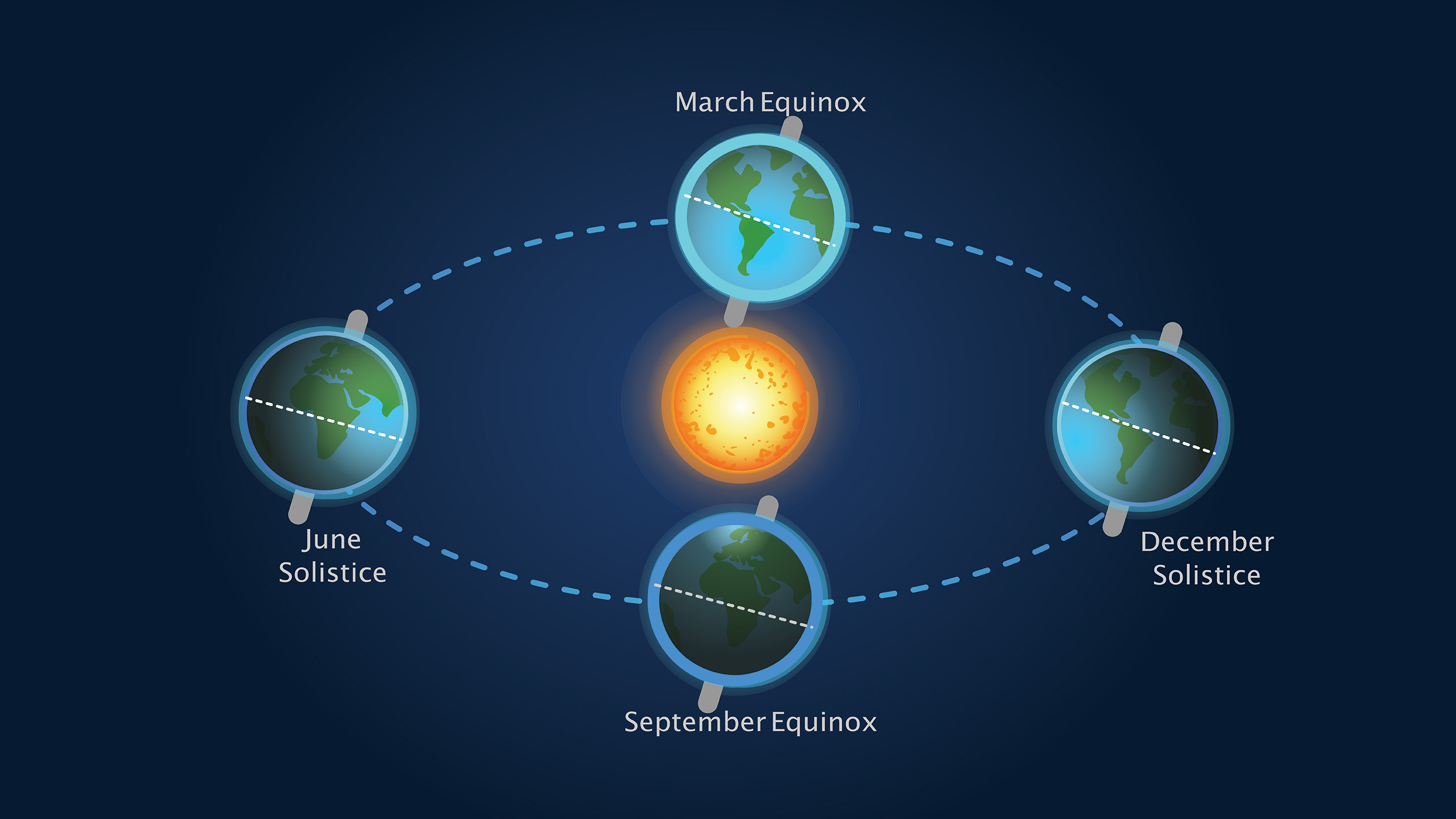
Meteorological Summer starts on 1 June and ends on 31 August, while Astronomical Summer starts with the Summer Solstice and ends with the Autumn Equinox. This year, these fall on 20 June and 22 September respectively, in the northern hemisphere.
Of all the customs associated with the season the majority are linked with the solstice, the longest day of the year, with about 15 hours of daylight in the UK; associated with a time of magic, wishes, fairies and sunsets.
A diagram of the Earth’s rotation
The climate
Around the June solstice, the North Pole is tilted toward the sun and the northern hemisphere gets more of the sun’s direct rays.
This is why June, July and August are summer months in the northern hemisphere and when we expect to see the hottest days and longer evenings
Also be ready for thunderstorms, which typically develop in the afternoon when the sun heats air near the ground. If the atmosphere is unstable, bubbles of warm air will rise and produce clouds, precipitation, and eventually lightning.
Lightning is, however, a very important phenomenon as this is usually accompanied by rain which helps plants and animals to survive in this hot period and allows crops to grow better. It also means that summer is the best season for seeing rainbow.
It also means that summer is the best season for seeing rainbow.
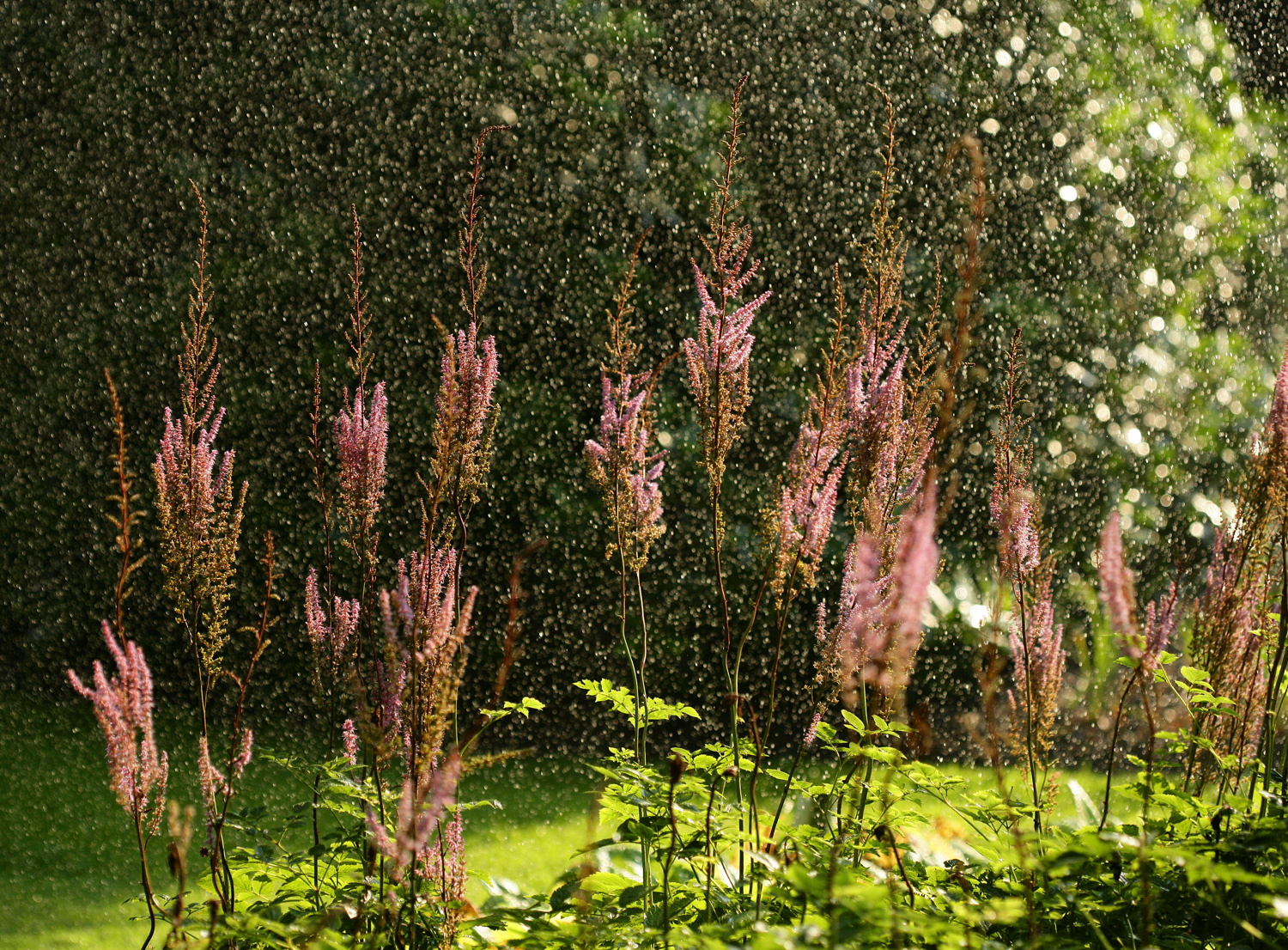
Summer rain in the Hidden Garden of The Savill Garden
Summer traditions
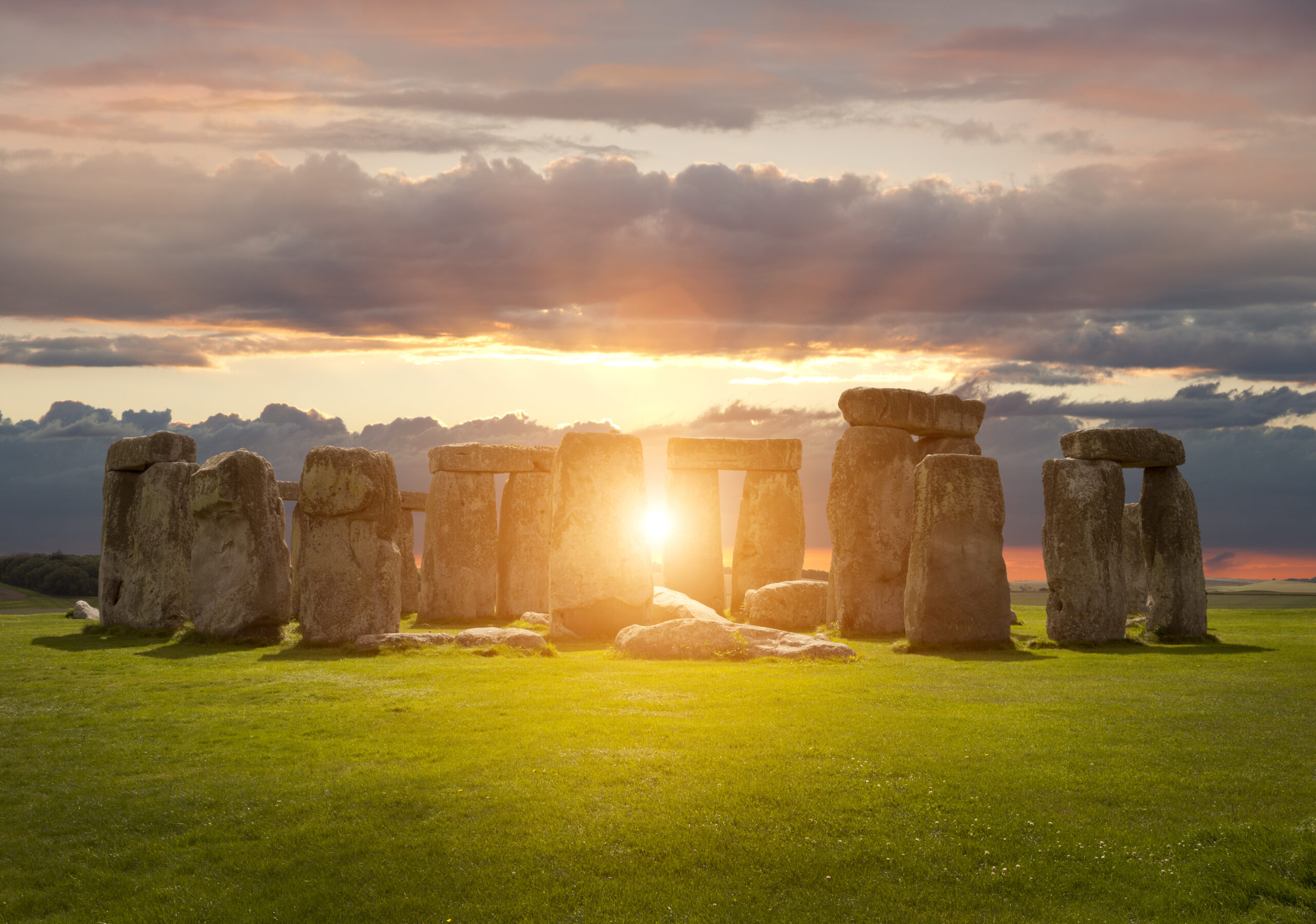
In the UK, the summer solstice is synonymous with Stonehenge, which was erected in the Neolithic era and aligns with the sun on the solstices. On the summer solstice, the sun rises behind the Heel Stone in the north-east part of the horizon and its first rays shine into the heart of Stonehenge.
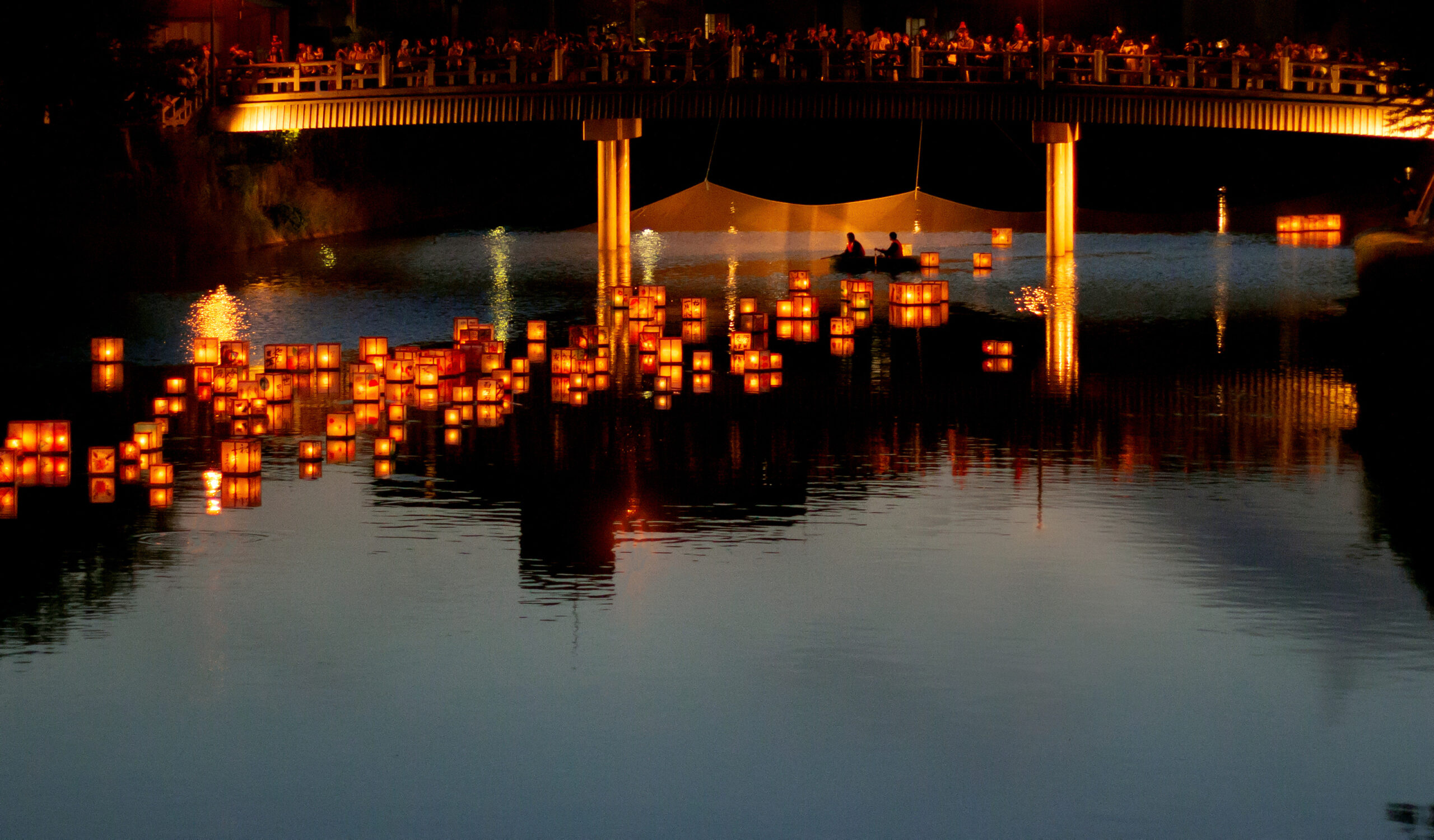
Obon is one of Japan’s most important festivals and is celebrated over 3 days in mid-August or July depending on the region.
During this time, people pay respect to their ancestors and loved ones who have passed away through many beautiful ceremonies, such as putting candles in rivers and lakes and letting them flow away. This is a large family holiday, and many people will travel to their family homes, clean the graves of ancestors, and leave offerings at Buddhist shrines.
One of China’s largest and grandest events is the Yi Torch Festival in the Yunnan province. The date of the celebration is always in August, as it corresponds with the 24th to 27th of the sixth month in the lunar calendar.
While the festival includes wrestling, contests, horse racing, and more, the main event is the lighting of the torch.
Each family lights a torch and uses it to illuminate the corners of the room and fields. Tradition says that this drives away all bad luck and brings a successful harvest.
Midsummer is celebrated in Sweden every year on the longest day of the year, when everyone dances, sings and paints their face.
Pagans used the summer solstice as a market for planting and harvesting crops, celebrating the God and Goddess coming together.
Witches were thought to roam around when the sun was starting to turn towards the south and with at least three of Shakespeare’s plays – The Tempest, A Midsummer Night’s Dream, and Macbeth – explicitly linking midsummer with witchcraft, it’s definitely a night to watch out for cauldrons ahead.
Engraving of The Weird Sisters (Shakespeare, MacBeth, Act 1, Scene 3), 1785, by John Raphael Smith. The Elisha Whittelsey Collection, The Elisha Whittelsey Fund, 1959.
Summer events
The warm, long summer evenings allow other types of festival such as Glastonbury, with its famous Pyramid stage.
Also known as ‘Glasto’ it is a five-day festival of contemporary performing arts held near Pilton, Somerset, England, in most summers. In addition to contemporary music, the festival hosts dance, comedy, theatre, circus, cabaret, and other arts.
The Pyramid stage at Glastonbury
The Edinburgh Fringe is an annual summer festival in Scotland’s capital. It is the world’s largest art festival, often featuring more than 50,000 performances and shows in over 300 venues throughout the city, including circuses, cabarets, musicals, exhibitions, and more.
Arts and summer
Artists have, for many centuries, closely examined the seasons and summer is a common theme bringing with it a sense of vibrancy and intense energy as wildlife and the Earth’s vegetation are all active and alive.
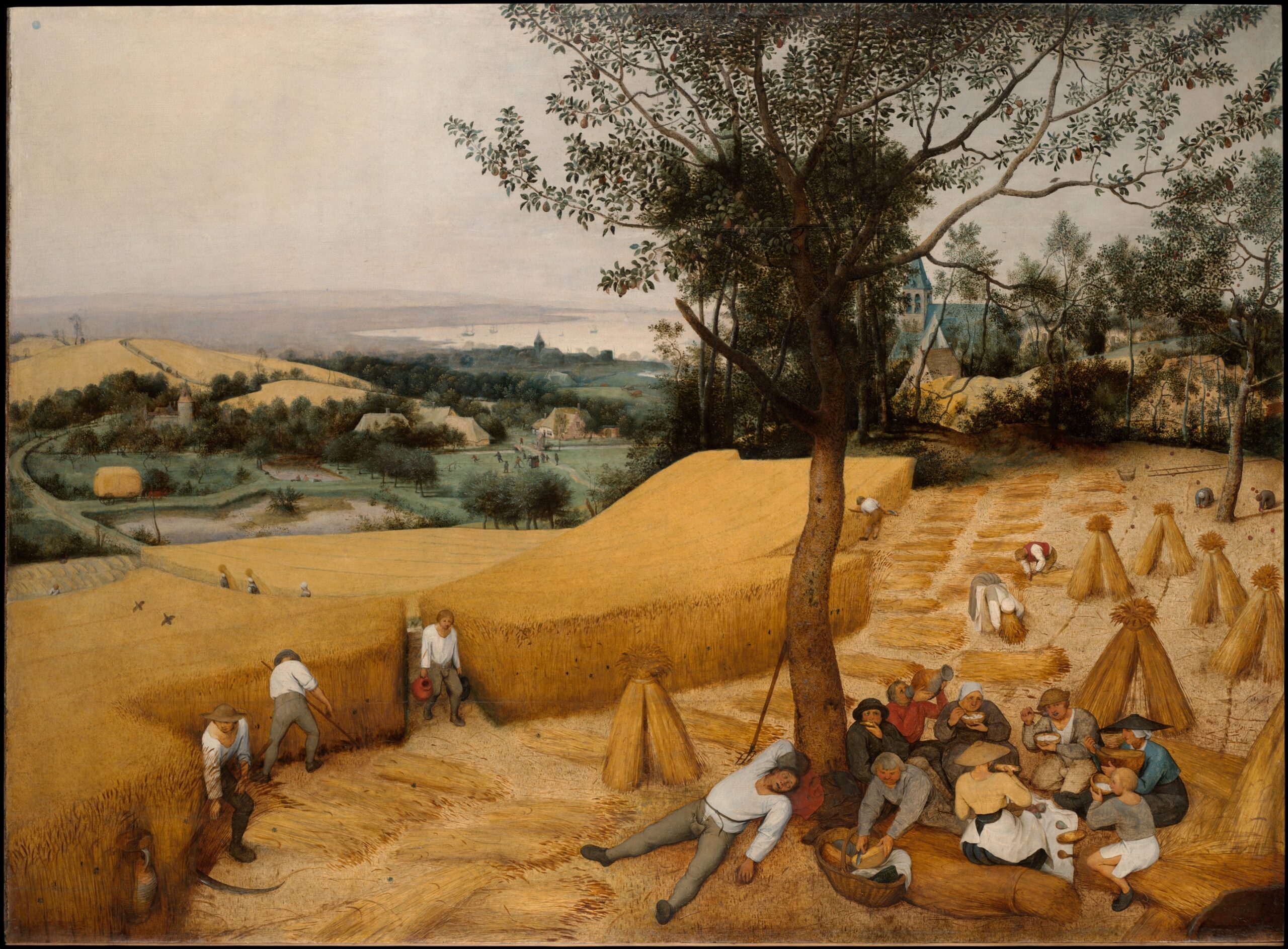
One of the earliest depictions of summer is in The Harvesters, an oil painting on wood completed by Pieter Bruegel the Elder in 1565.
The painting is one in a series of six that depict different times of the year. The focus of The Harvesters is on peasants and their work and does not have the religious themes common in landscape works of the time.
The Harvesters, 1565 by Pieter Bruegel the Elder. Rogers Fund, 1919.
Jean-Honoré Fragonard is remembered as one of the most noteworthy artists from the Rococo era.
His most famous painting is The Swing showing two people enjoying their surroundings in the middle of a dense forest in what is clearly the summer season. Find out more about the painting here.
Impressionist painters such as Monet and Renoir really embraced the colours and the light and shadow of summer.
Monet was famous for painting ‘en plein air’, meaning ‘outside’, which was considered to be revolutionary at the time, allowing him to immerse himself in his subject. Renoir’s style typically involved displaying sunlight and shadows in ways that other artists rarely attempted to.
Summer in the garden
In summer the sun is at its most active, meaning that everything gets a lot of light and heat energy from the sun, to support life, breeding and feeding. The garden is full of bright colours, and verdant greenery with birds singing.
In warm weather and sunny days plants grow very quickly, growing best when daytime temperature is about 10 to 15 degrees higher temperatures at night. Summer days have longer sunlight and shorter nights, and plants use the length of the nights to release hormones such as auxin and cytokinin, which stimulate cell growth for flowering and fruiting.
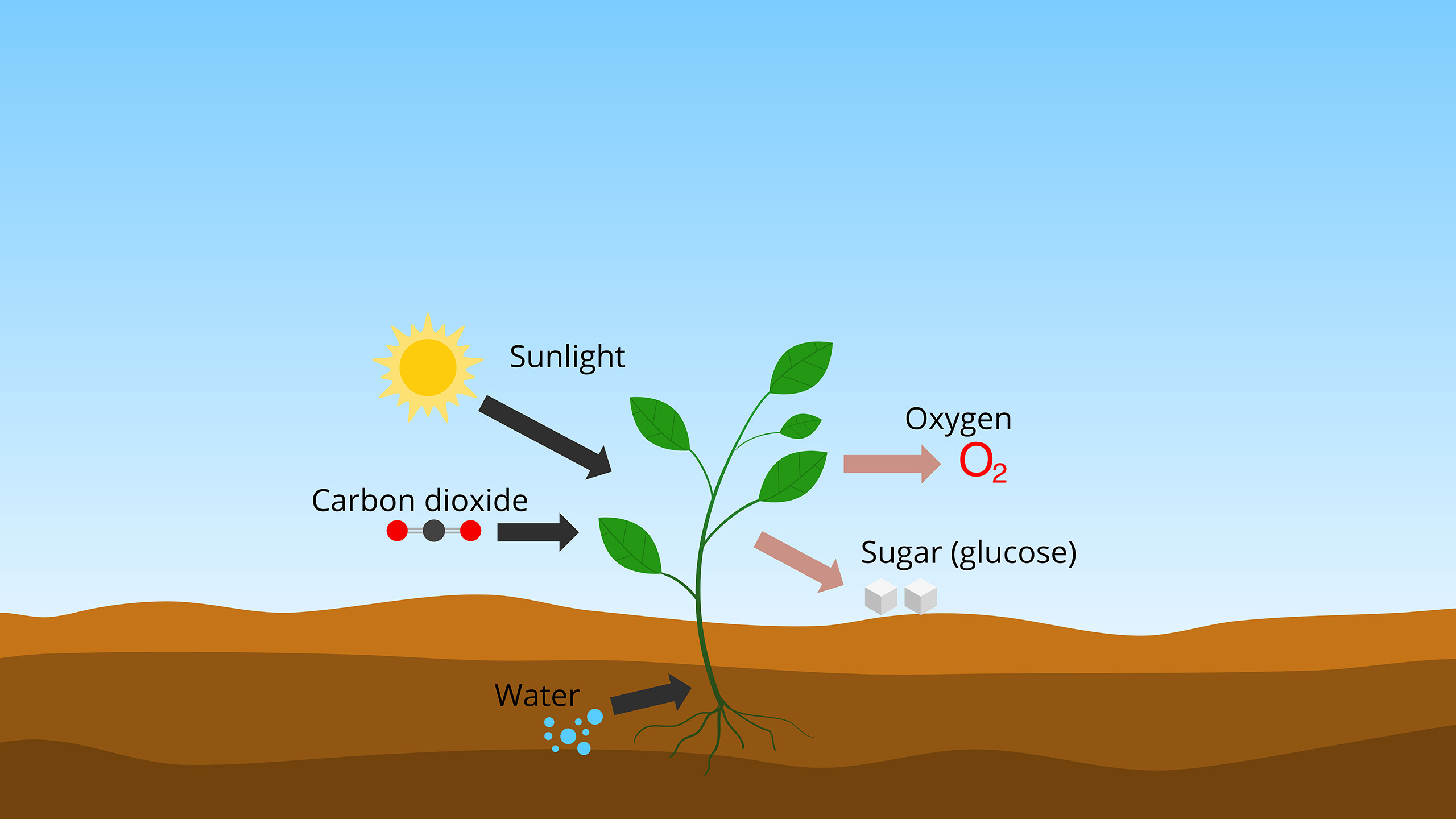
Plants also produce more chlorophyll in response to higher light levels which increases photosynthesis and makes the leaves greener. After the fruits have developed, seeds are formed, which are dispersed by the wind, water, and animals, including humans.
A diagram of photosynthesis
Summer sunlight provides the perfect conditions for photosynthesis. In this process, plants get useful nutrition and the oxygen in the atmosphere is replenished.
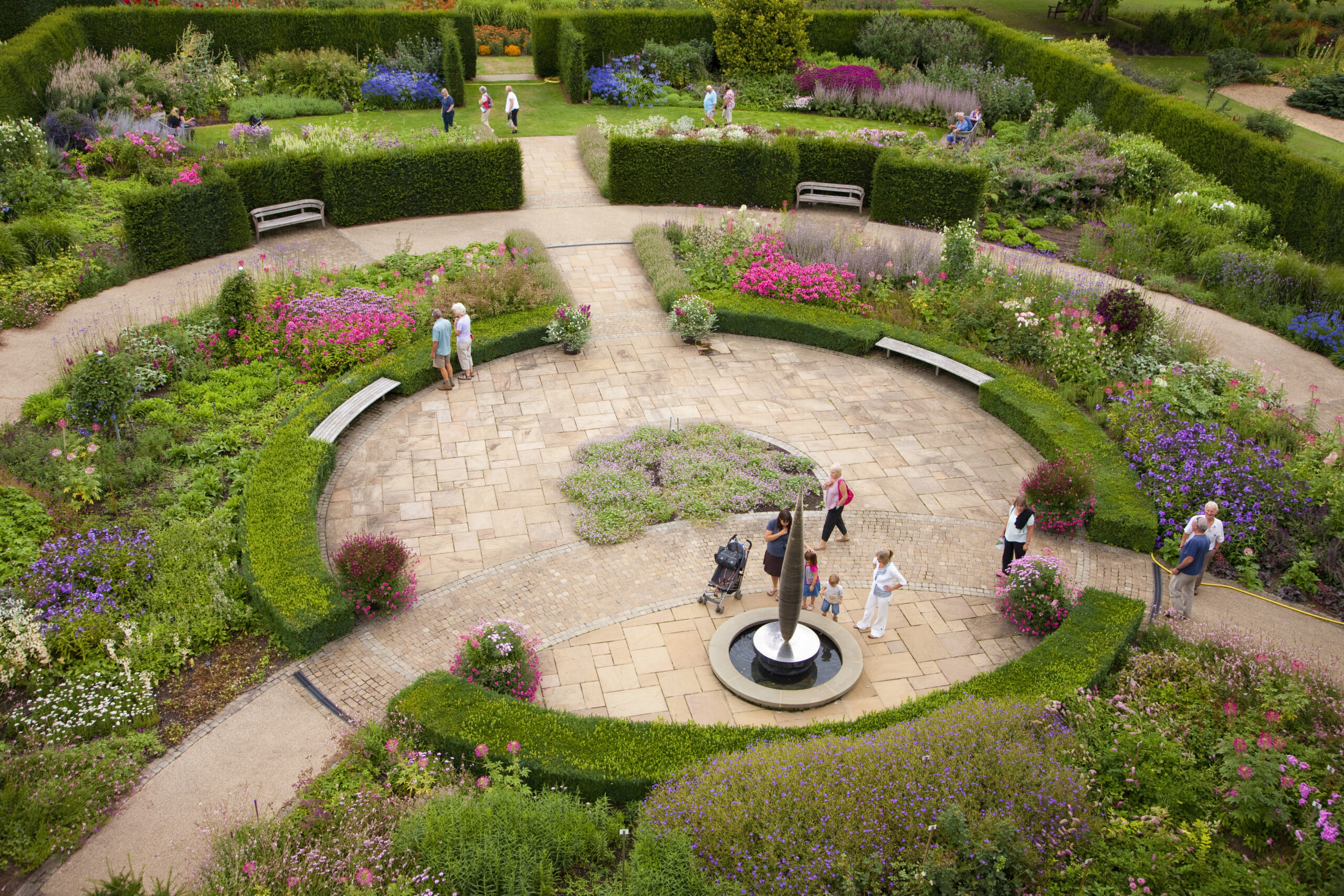
Summer is the most colourful time of the year with a wide variety of multi-hued plants such as dahlias, lilies, sweet peas, sunflowers, roses, hydrangeas, and a personal favourite, peonies. We are truly fortunate that we can see so many of these in all their glory by visiting The Savill Garden and Valley Gardens at this time of year.
Many of us also grow vegetables in our gardens and the flavours we most associate with summer are from plants that come from warmer climates.
Tomatoes, peppers, and courgettes have long been garden staples but as our summers are getting warmer, we are starting to see aubergine, corn, melons, and squashes which all love the heat because they are adapted to the tropics or hot conditions.
Summer and wildlife
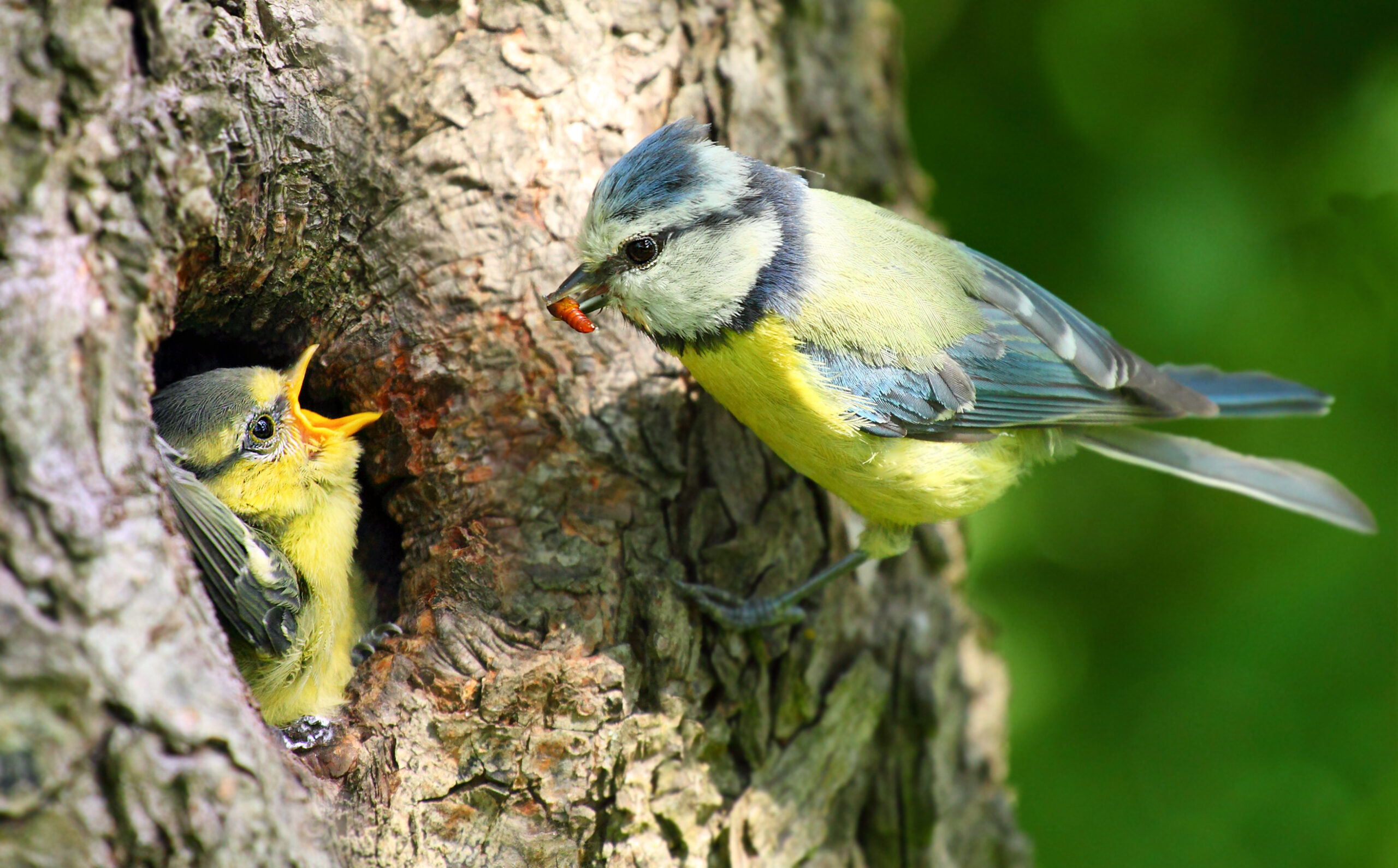
Summer for animals is a good time of the year, when they have a lot of food to eat, plenty of shelter and warm weather. Birds have the most active breeding period. They are also nesting and incubating their eggs. Once the chicks are hatched, they are looking for the food for nestlings, made easier by the warm weather.
A blue tit feeding a young chick
At the end of the summer, birds start to grow new feathers to help them to feel warmer in the winter. They also need to increase the level of fat in their bodies, to have more energy when it gets cold.
Survival in a hot climate
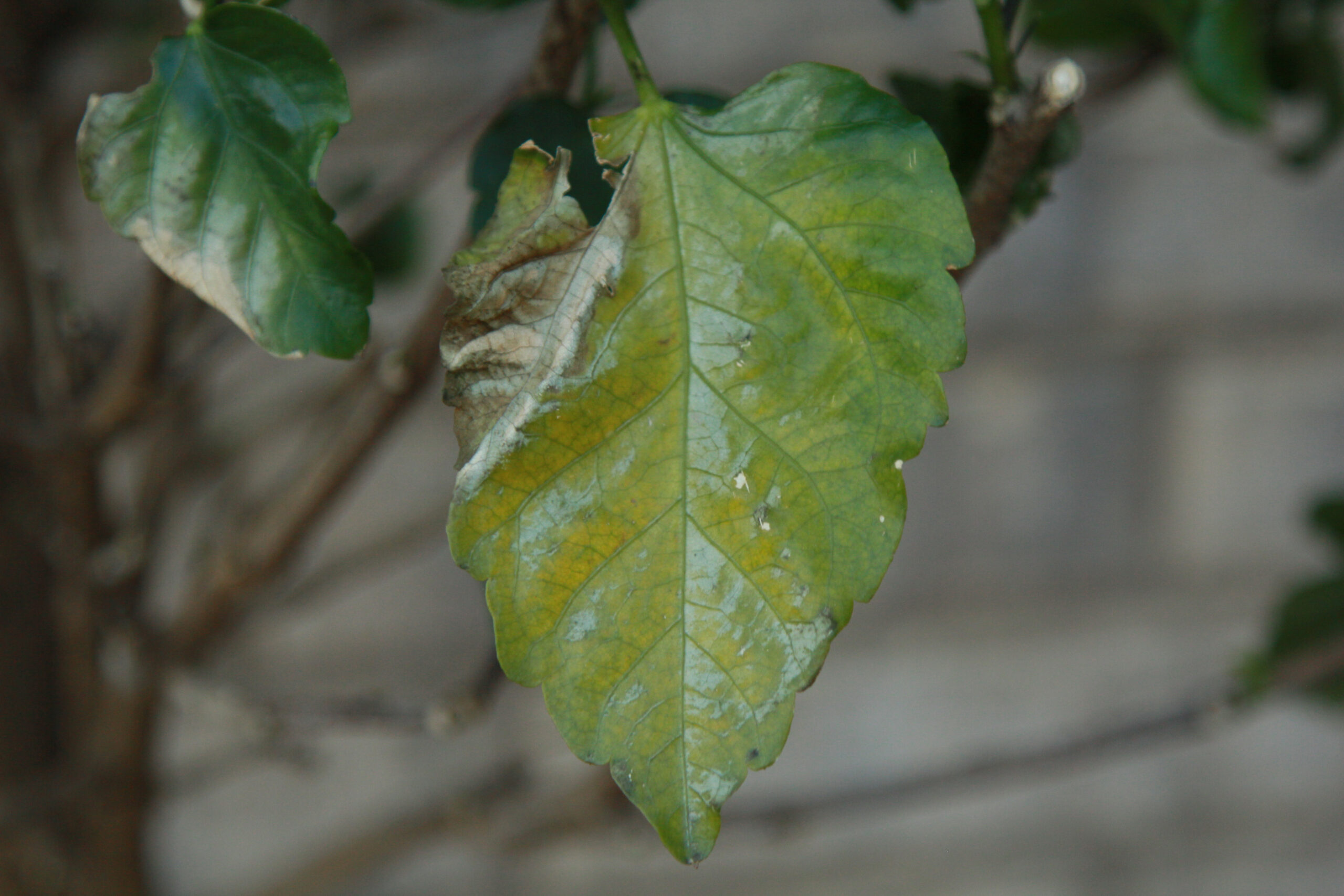
In recent years the effects of global warming have become more apparent, and we have been experiencing hot dry summers, which have proved a challenge to some of our more traditional garden plants. This is because when plants not accustomed to hot climates are subjected to high temperatures for a long period of time, they can experience stress.
The ideal range for most plants is between 20 and 30° Celsius. Temperatures outside this range, whether in the air or the soil, during the day or the night, are harmful to plants.
Heat stress is the cumulative effect of the heat’s severity, the time the plant is exposed to the heat, and the rate at which the temperature is rising. Some signs of heat stress are rolling and cupping of leaves, wilting, dried leaf margins, flower, and fruit drop, bolting and sun scald.
In response to heat stress plants undergo critical alterations to their biochemistry and physiology such as closing stomata to reduce evaporation of water from the leaf. This in turn prevents plants from taking in enough carbon dioxide for photosynthesis, which can stunt their growth and diminish their yield.
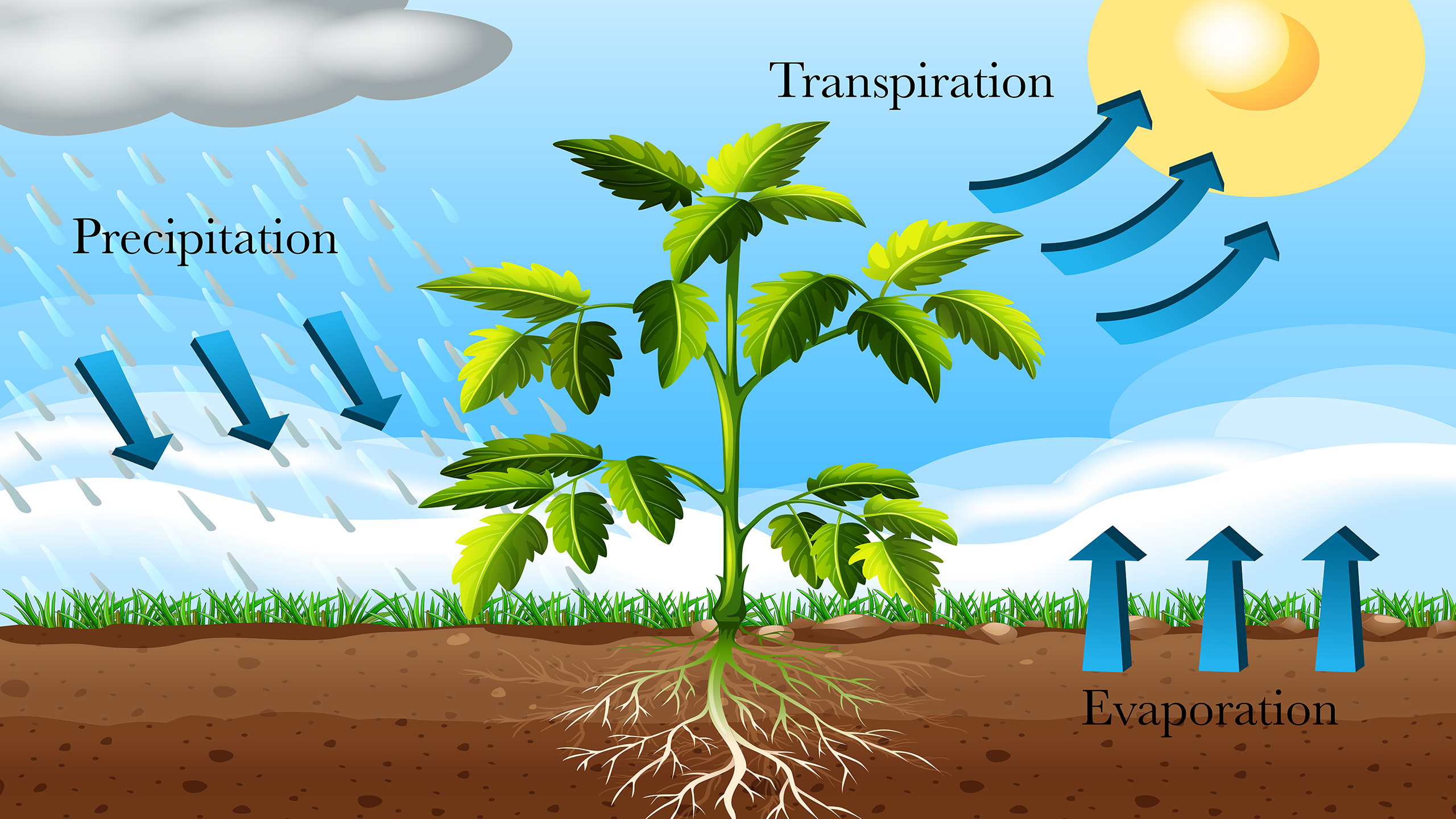
Another consequence is damage to proteins in the plant thereby reducing enzyme function. This affects many metabolic processes and can increase the movement of water through the plant and out via evaporation, called transpiration.
A diagram of transpiration
Although growers can’t do much about the weather, they can nonetheless protect their plants from heat stress.
Shading and watering the plants, making sure the water is on the plant roots and not the leaves, can help. It is not a good idea to add fertilizer or use any chemical treatments during a heat wave but mulching the soil can help keep the temperature down and weeds should be removed to prevent competition.
Plants can adapt to heat, for instance leaves may grow smaller in heat, but global warming will bring about changes in the plants we grow in our gardens. It means we can look forward to more varieties and colour in our gardens in the future.
Written by Diana Bendall, Chair of The Friends of The Savill Garden