Spring is perhaps the most anticipated season for those living in temperate climates such as the UK, because the season brings with it the new growth of plants and the birth of young animals.
As with other seasons, spring has not always been known by that name.
In Old English, spring was known as ‘lencten’, a word relating to the lengthening of the days. Today, the Christian holiday of Lent has roots with the original word ‘lencten’.
By the 14th Century, the season was known as ‘springing time’ – a reference to the plants ‘springing’ from the ground. This was shortened to ‘spring-time’ by the 15th Century, and then finally to ‘spring’ in the 16th Century.
The beginning of spring
As with the other seasons, the start of spring varies on the meteorological and astronomical calendars.
According to the meteorological calendar, spring starts on 1 March and ends on 31 May.
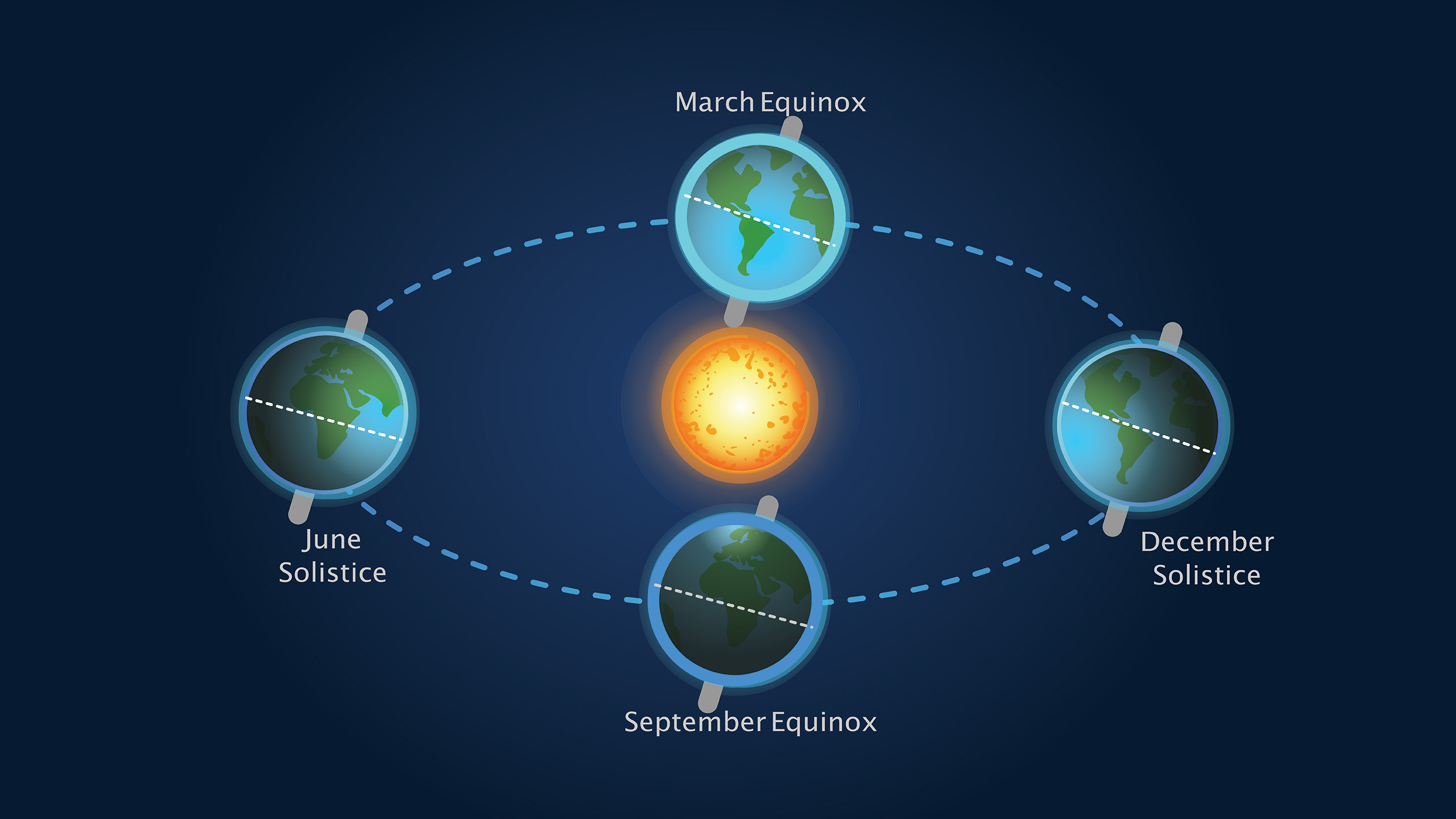
However, on the astronomical calendar, spring begins on the vernal equinox, the day when the Earth’s axis is tilted neither towards not away from the sun for a nearly even amount of daylight and darkness across all latitudes on Earth. This year the equinox lands on Wednesday 20 March.
In other countries the start of spring may depend on other factors. For instance, in Sweden The Swedish Meteorological and Hydrological Institute define spring as beginning on the first occasion of seven (7) consecutive days where temperatures rise above 0 °C after 15 February. Depending on where you are in Sweden, this can be as late as early May in northern areas.
By contrast, In India spring occurs in the months of March and April, with an average of 32 °C.
In the UK we have Blossom Watch, a campaign on news channels and social media to encourage people to share images of blossom with one another as an early indicator of the arrival of the season.
Worryingly, in recent decades ‘season creep’ has been observed, which means that many annually recurring signs of spring are beginning earlier in many regions by around two days per decade.
The climate
Spring weather can be unpredictable. Temperatures will rise due to the changing orientation of the Earth’s axis relative to the sun, but the weather in many parts of the world is affected by other, less predictable events.
Rainfall can be affected by longer cycles, such as the solar cycle, or through natural phenomenon like the El Niño and La Nina effects where different strengths of trade winds over the Pacific Ocean can have an impact on ocean and air temperatures.
The mixing of warm and cold air currents, particularly from the polar regions, causes unpredictable weather and spring is known for thunderstorms, hail and flooding, often exacerbated by melting snow.
Spring traditions
Spring is associated with ideas of rebirth, rejuvenation, renewal, resurrection, and regrowth and unsurprisingly many of the customs at this time of year reflect these themes.
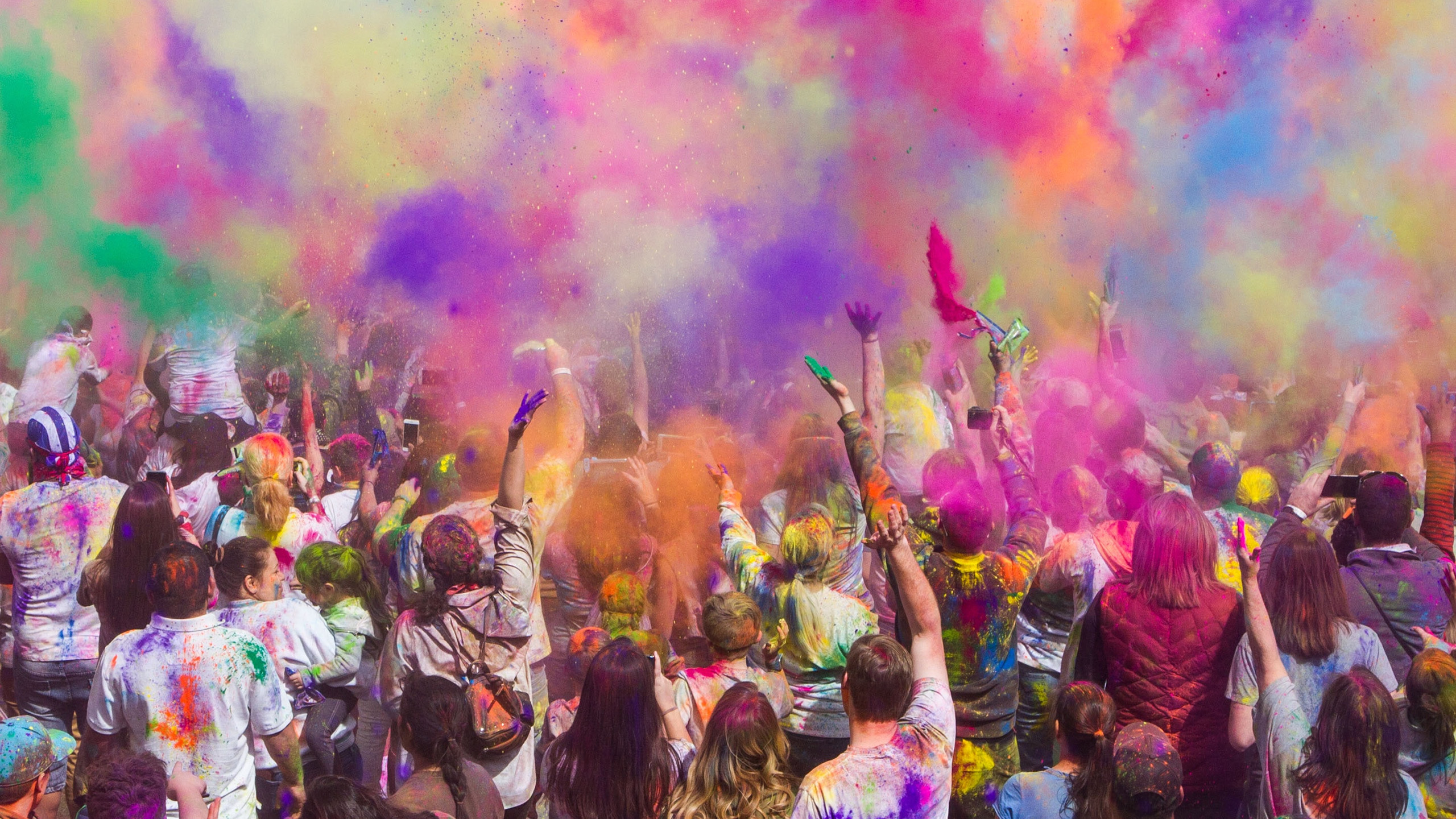
The Hindu festival of Holi celebrates colour, love and the arrival of spring. It brings entire communities together for one giant party. A bonfire is lit before the festival, then the rest of the celebration is spent dancing and playing with water and colourful powders.
Crowds at a Holi festival in India
Gatherings for the spring equinox take place in various places around the world. In Mexico thousands of people gather to climb the Pyramid of the Sun in Teotihuacan, dressed in white with a red accessory. in the UK people gather at Stonehenge, while in Japan it is a National Holiday when families gather to honour their ancestors.
May Day, is an ancient celebration, dating back to Roman times and is celebrated on 1 May in much of Europe, often involving Maypole dancing and the crowning of a May Queen.
Even spring cleaning, which purges the house from the debris accumulated over winter, to allow the replacement of old items with new, may have origins as far back as the Persian (now Iran) celebration of the New Year, called Nowruz.
The Christian festival of Easter, which is held in many countries worldwide, celebrates resurrection and is symbolised by young animals such as chicks, lambs and rabbit kits, as well as eggs and spring flowers, all of which are strongly associated with spring.
Spring in the garden
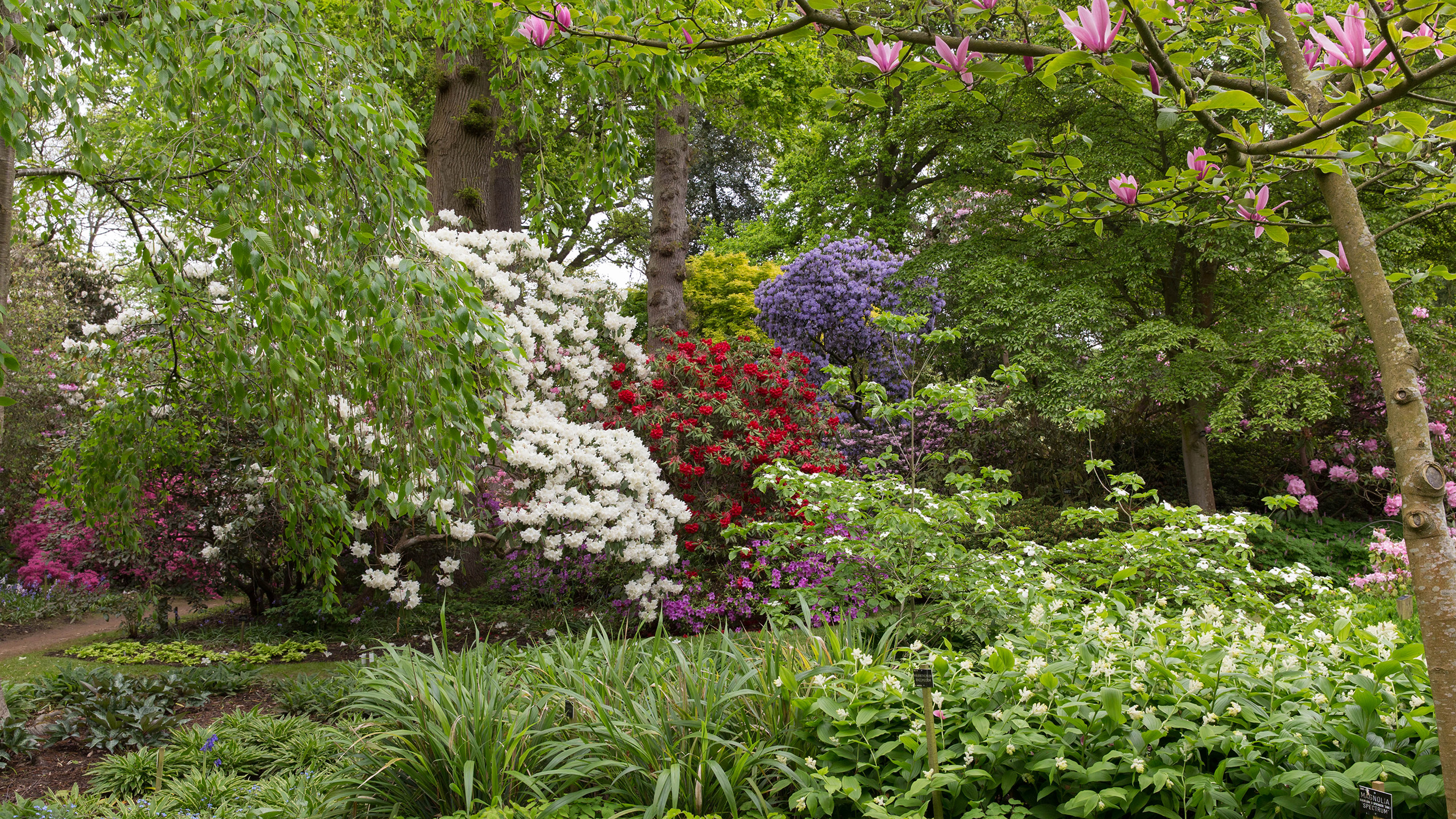
For many of us spring begins when the hardiest flowers like the crocus and snowdrops begin to bloom, often when it is still very cold. These are followed by other spring bulbs such as lilies, daffodils and tulips with some other common but less welcome flowers such as dandelions. Finally, we are blessed with the blooming of deciduous magnolias, lilacs, cherries, and quince.
Spring produces the conditions needed for plants that have been dormant over winter to start to grow again. The tilt of the Earth towards the sun gives longer and warmer days, while rain moistens the soil to be absorbed by the plant roots.
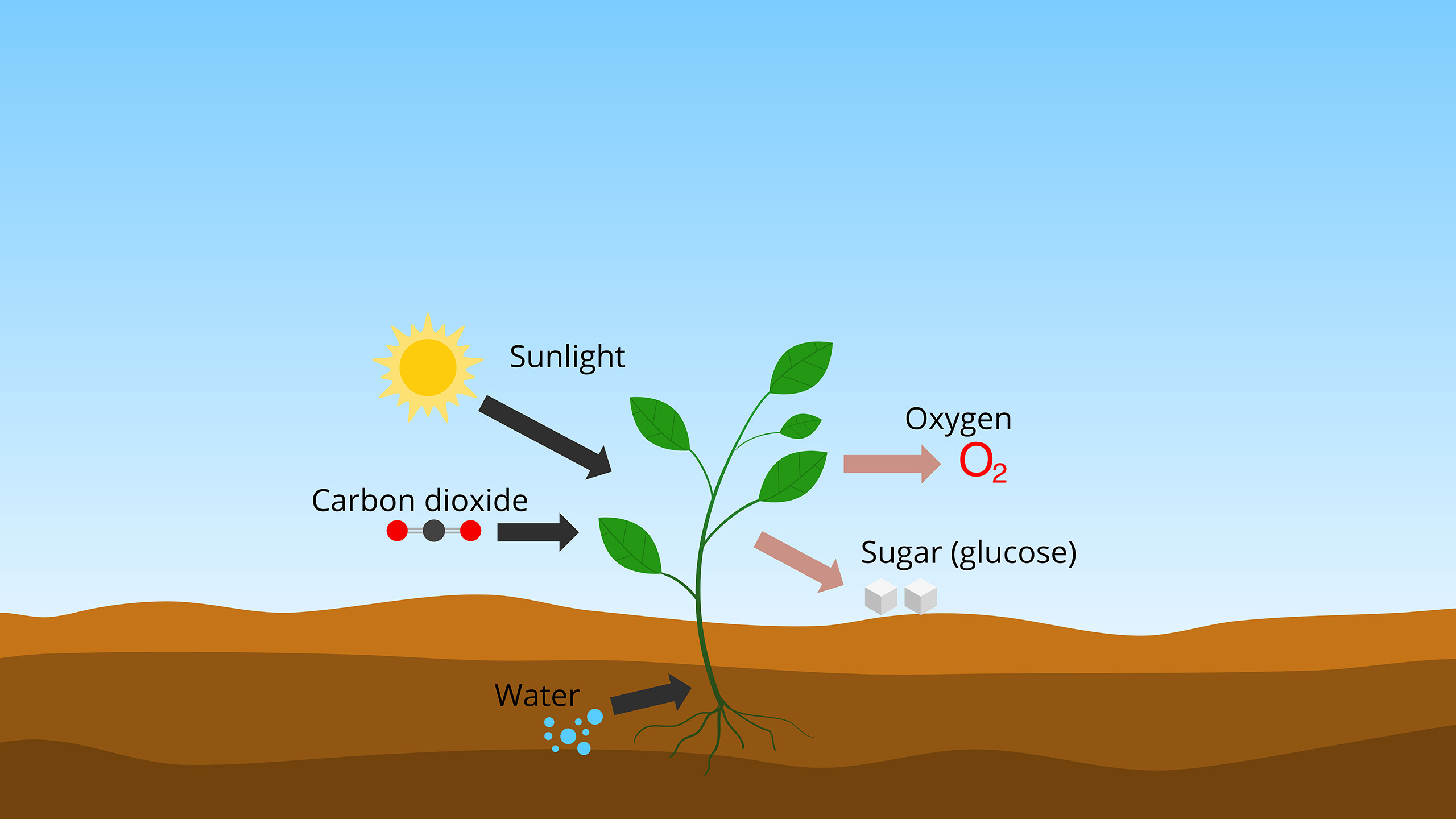
A diagram of photosynthesis
In a process called photosynthesis, plants use the supply of water and carbon dioxide, as well as energy from the sun to create a ready supply of glucose, which in turn allow for new growth.
One of the most notable signs of this is the swelling of tree buds as the new leaves start to open and grow. The rise in temperature and length of daylight are vital as many plants need to experience a number of days of raised temperatures before they start to grow as well as a suitable length of daylight to break dormancy.
Survival in an unpredictable spring
Plants need to develop leaves as early as possible in spring to take full advantage of the growing season. However, this requires moving water into the developing leaves which reduces the leaves’ concentration of sugars, salts and organic compounds which in turn remove their protection from the cold.
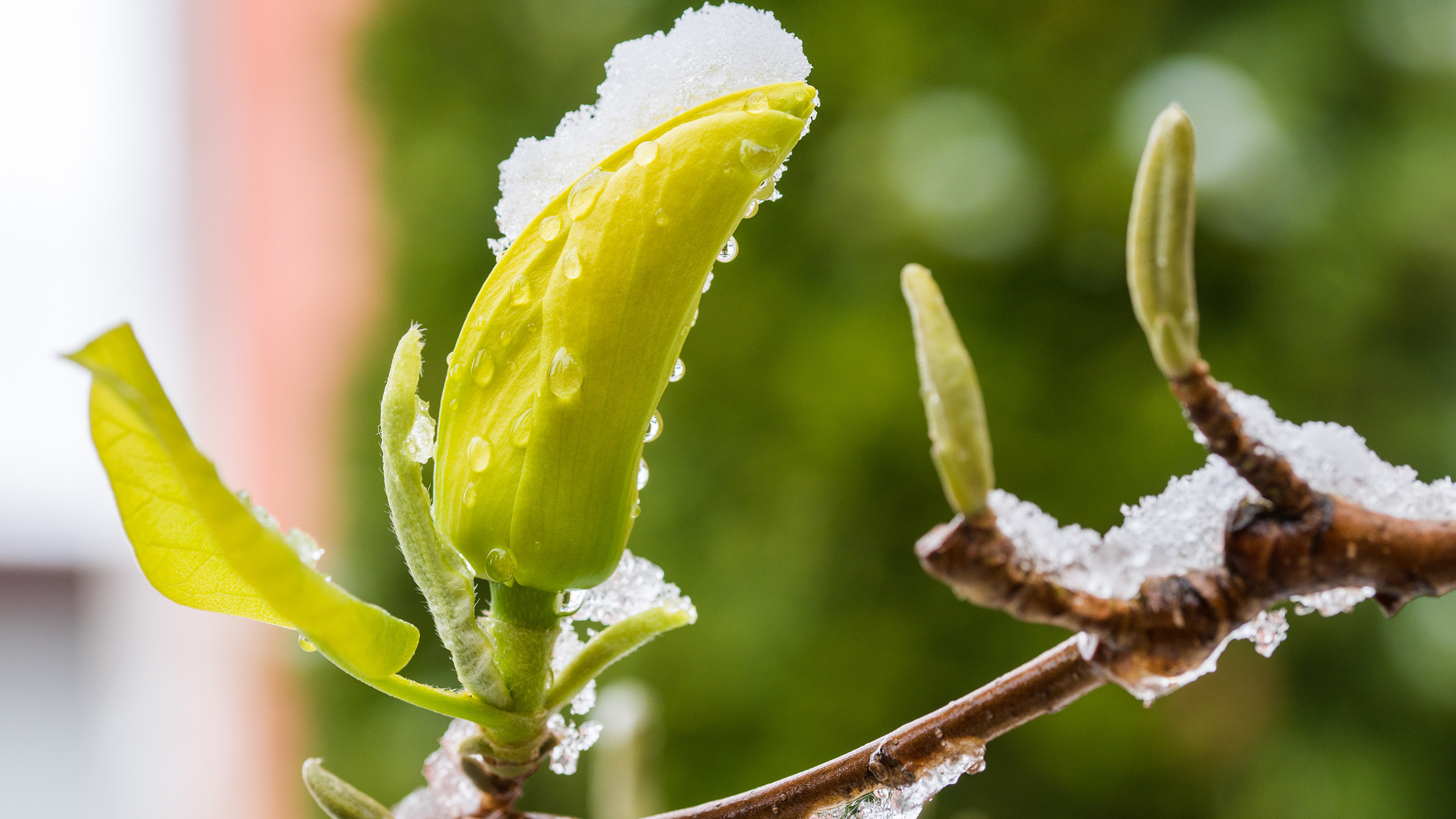
Each species has a typical time when the leaves start to grow; too early and they are vulnerable to late frosts. The same is true of flowers, how often have we seen a magnolia in full flower completely ruined by a late frost?
Climate change has had an impact here. Spring is starting earlier, and this means plants are more likely to be frosted which is resulting in smaller crops for fruit trees such as apples and cherries.
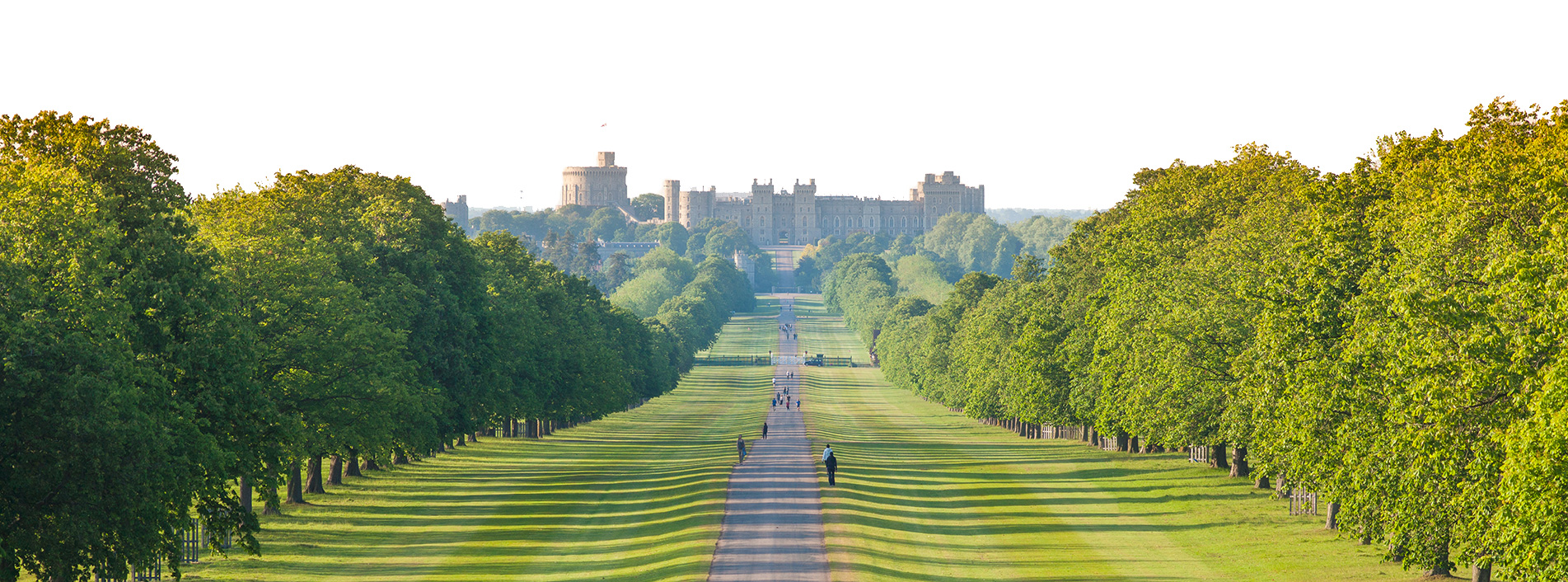
Spring is a time for looking forward and enjoying the beauty of our surroundings and we are very fortunate that we have so much to look forward to in The Savill and Valley Gardens this year.