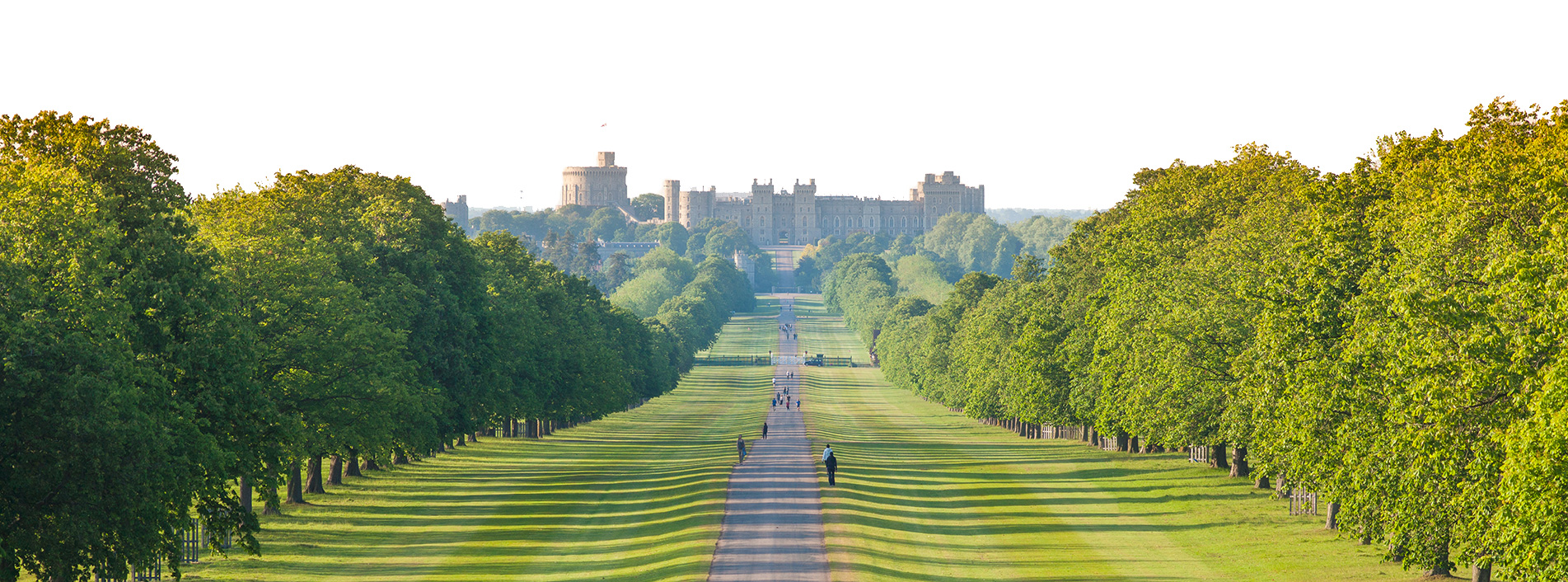
Early on the morning of Sunday 22 June 2025, 20 Friends and guests arrived in the coach park at The Savill Garden where we met our tour leader for the holiday, David Hurrion. The coach arrived and we were greeted by Will, our driver. As The Savill Garden opened for visitors we left for the M25 and the journey to Lincolnshire.
During the journey to our first garden visit, Barnsdale in Rutland, we heard about David’s background; from his love of plants in childhood to how he became a teacher and journalist developing his extensive knowledge and practical experience of plants, wildlife, geology and climatology.
Day One
Barnsdale
On our arrival we were greeted by Nick Hamilton, whose father Geoff originally created the gardens for the BBC Gardener’s World series.
We were left to explore the garden which consists of 38 individually designed gardens, many of which we remembered from watching the TV programmes.
The gardens offered a multitude of beautiful backdrops, hidden corners, bold borders and enchanting woodland walks. Amongst our favourites were the Gentleman’s Cottage Garden, the Lands’ End Garden, the Memorial Garden and the Town Paradise Garden.
Throughout the gardens there were many interesting plants to discover, including Astrantia Major ‘Sunningdale Variegated’. We heard that, due to climate change, these gardens are becoming very difficult to maintain in their original form. We could have spent several more hours here but needed to move on northwards.
Easton Walled Gardens
On reaching Lincolnshire, we called at Easton Walled Gardens. Easton Hall was the home of the Cholmeley family for nearly 400 years; it fell into disrepair and was demolished in 1951. The family still own the grounds and work on restoring the gardens began in 2001, spurred on by the projects at Heligan and Alnwick, but without any funding.
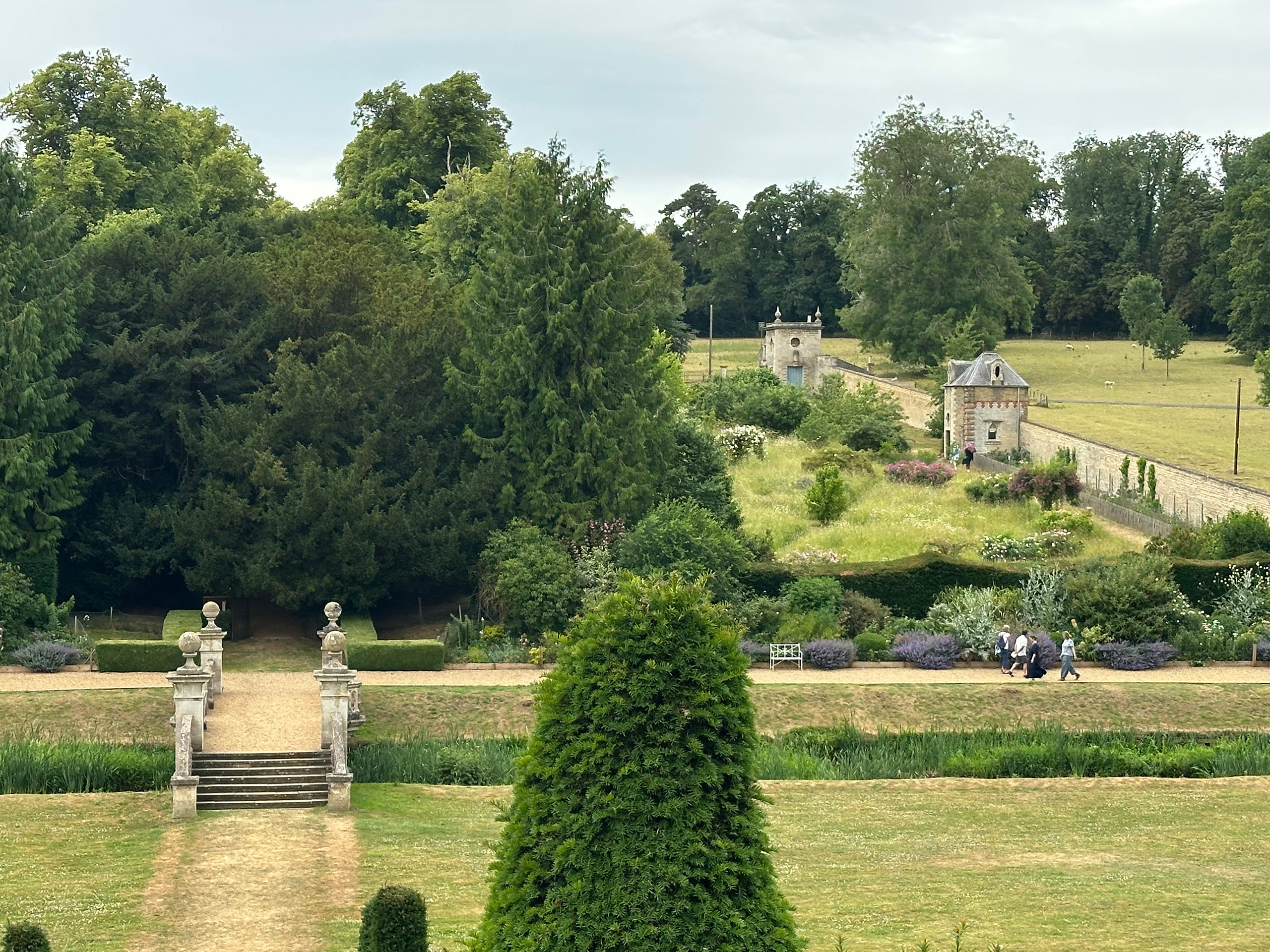
We found that there was so much to discover from the sweet pea displays and cottage garden to the sweeping views of the Lincolnshire countryside from the terraces.
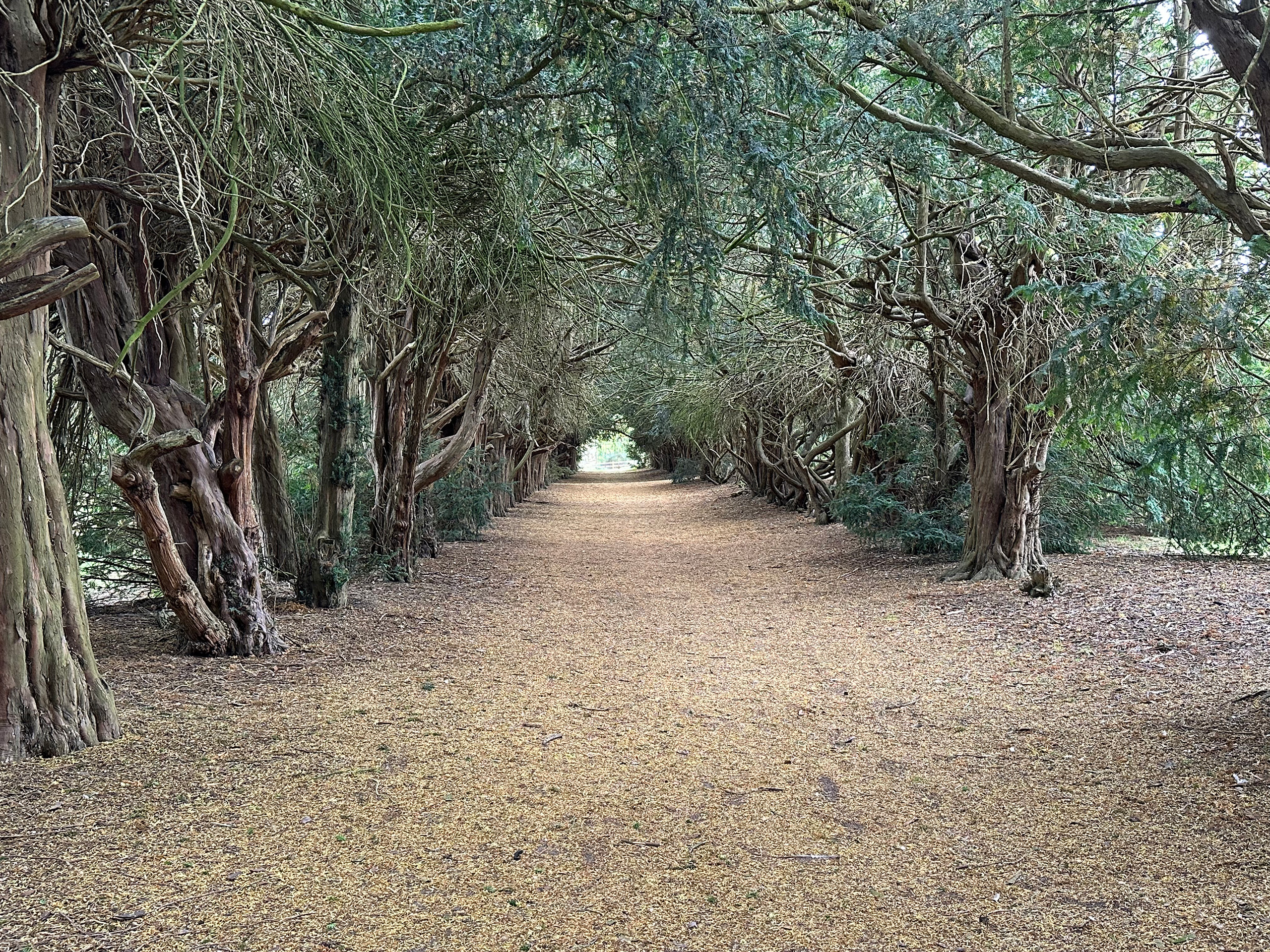
Many of the Friends ventured to the walled garden itself, which was on the other side of the valley and divided by an ancient yew tunnel, and now consists of a rose meadow and an orchard.
A plant many of us admired in the cottage garden was Antirrhinum Chantilly Bronze.
The White Hart
We all boarded the coach again and drove to Lincoln.
Each night we dined together in a private dining room, all around one large table where we could socialise easily while eating.
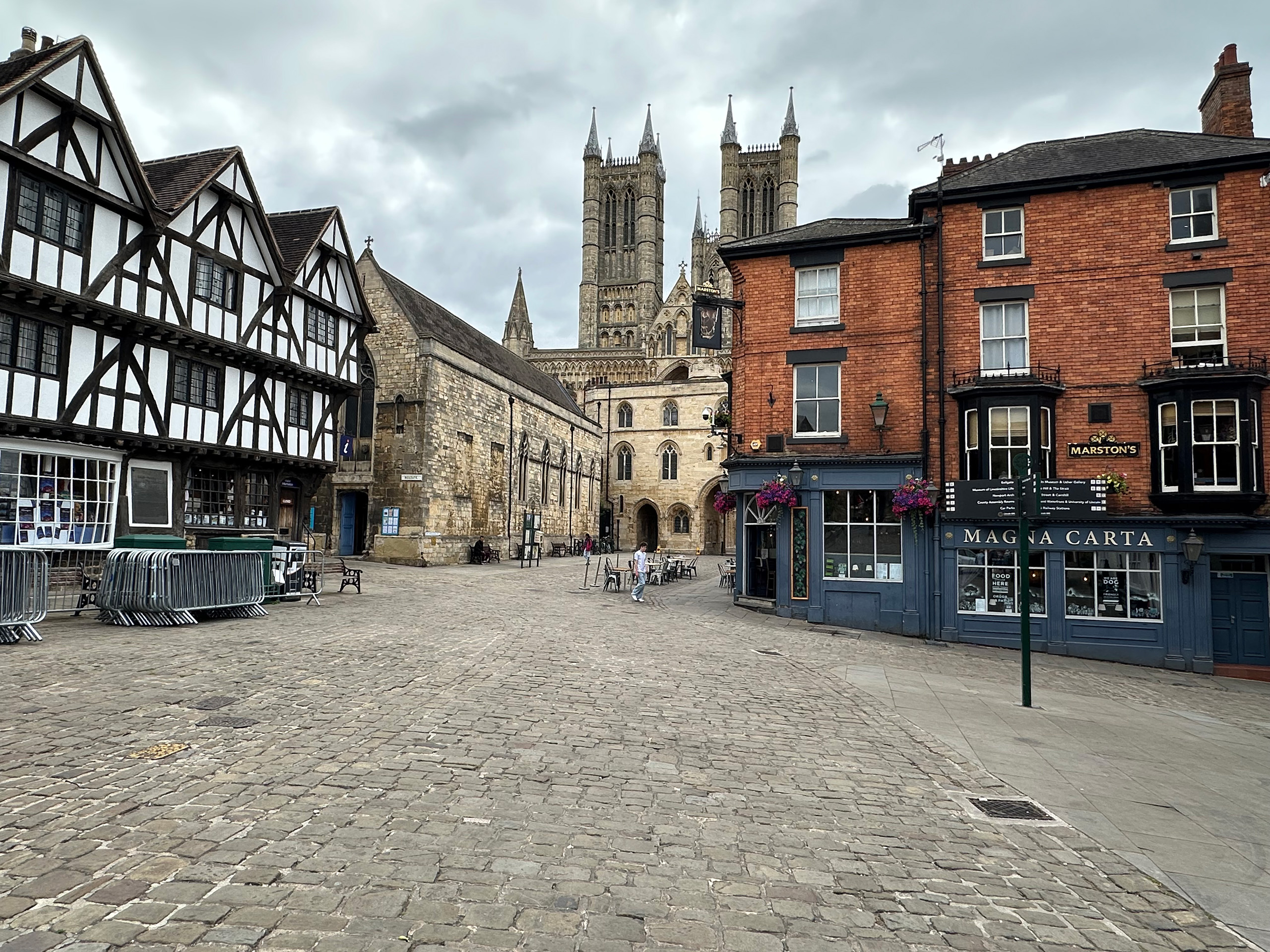
Our hotel The White Hart was situated in the centre of the old town, a short walk to the Cathedral and Castle.
The weather was great for after dinner walks to explore the upper areas of the city. On two nights we even managed to hear the concerts that were being held in the castle grounds while sitting outside the Cathedral.
Although the hotel was next to the Cathedral the bells stopped for sleep and provided a 7:00am alarm call each morning and every 15mins there after until 10:45pm.
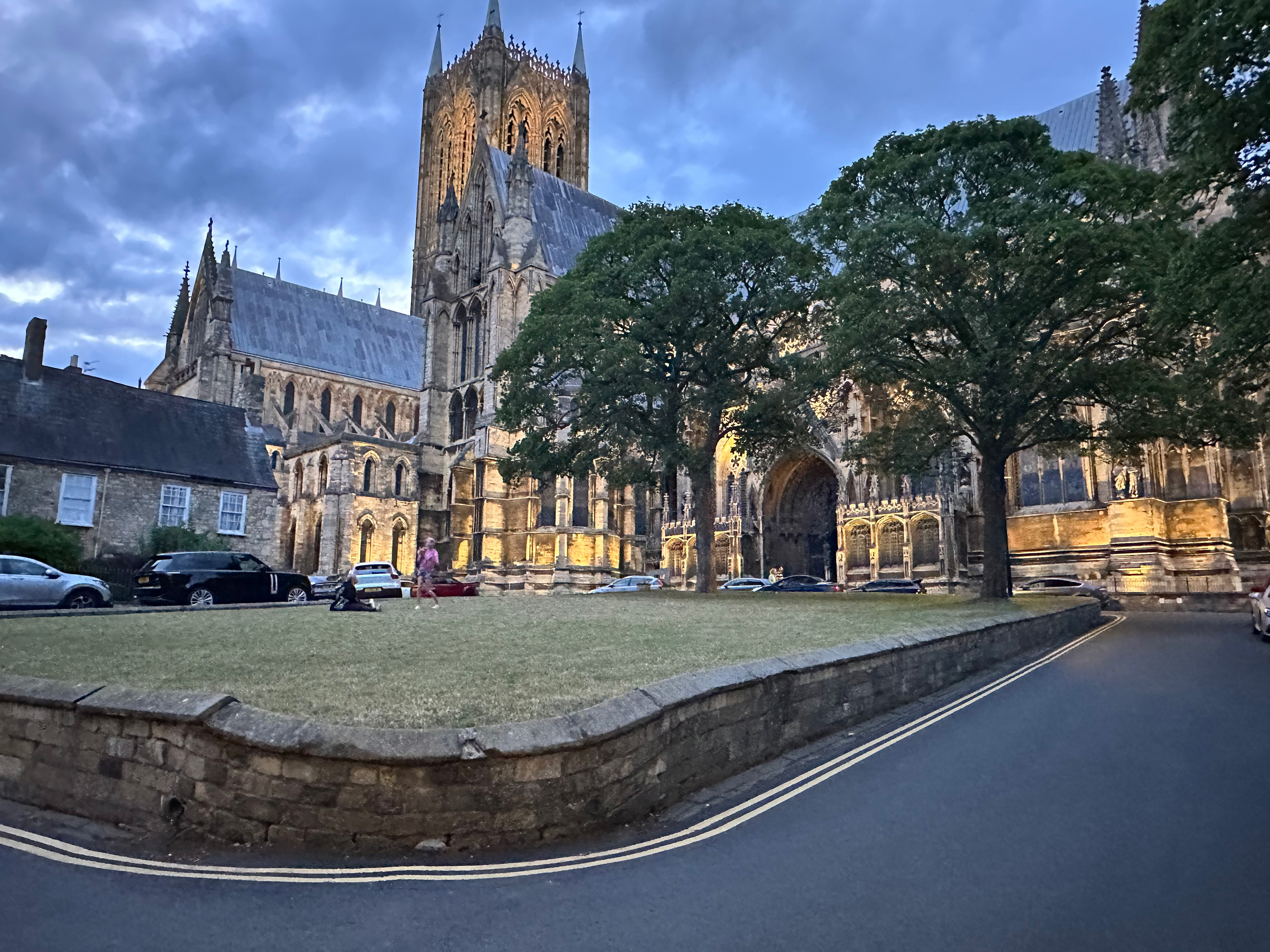
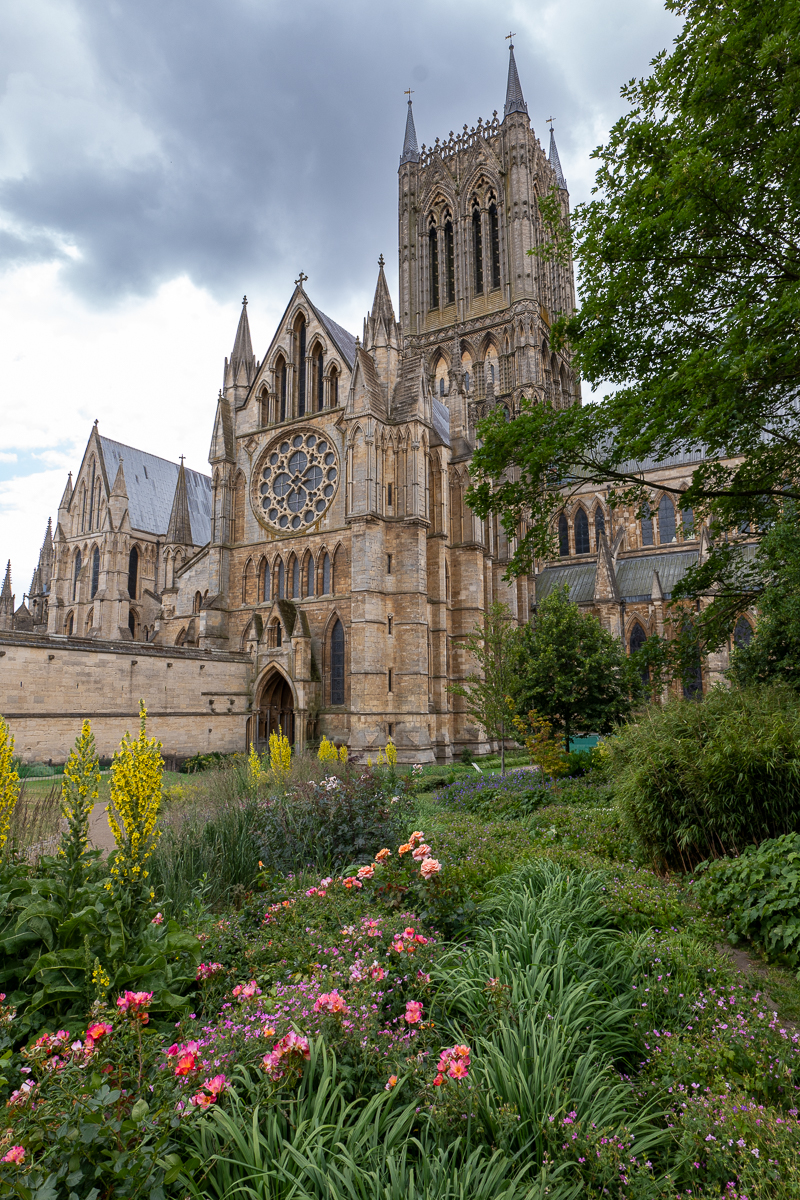
Lincoln Cathedral Quarter.
Day Two
Lincoln
The next day we had a guided walking tour of the old town. Luckily we didn’t have to walk too far down the steep roads to see the beauty of the old city.
One road called Steep Hill leads down to the modern city centre in the valley of the River Witham, far easier to go down than to come back up!
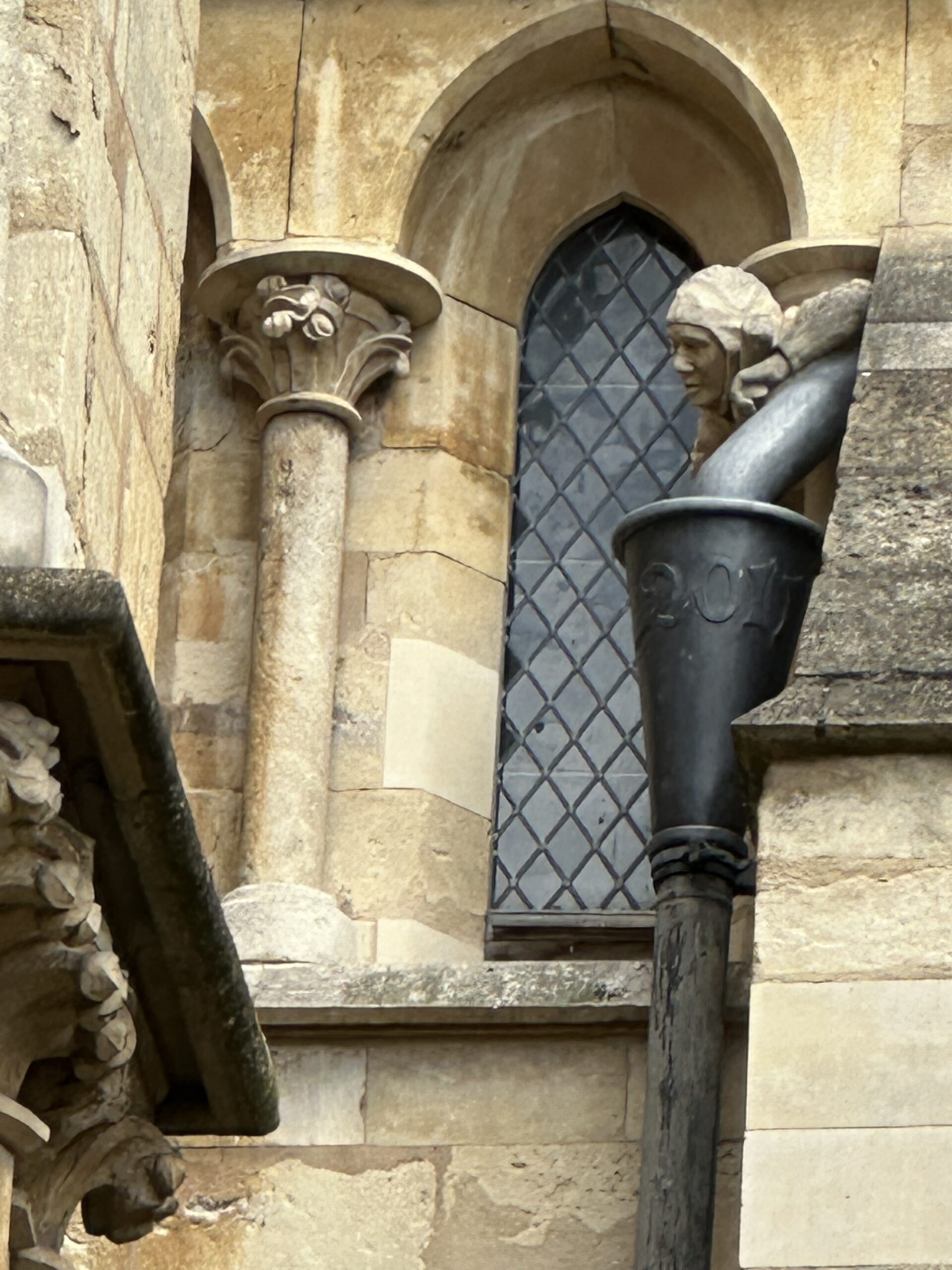
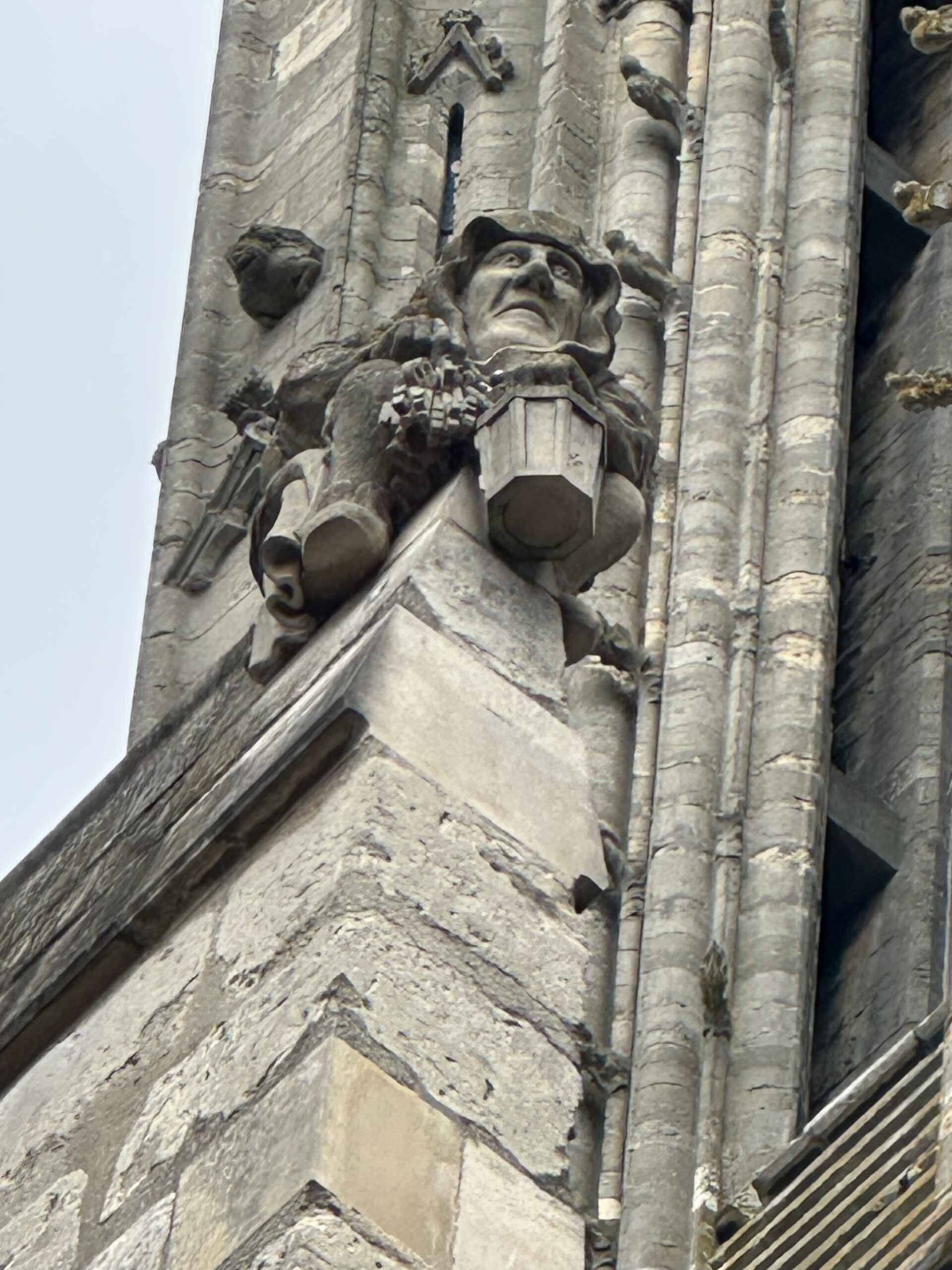
As the castle grounds were closed for the concerts, our guide focused on the magnificent cathedral, once the tallest building in the world. We were shown some of the many hidden features added during recent renovation work, including the gargoyle depicting an airman from the second world war, and one based on a member of the cathedral staff holding the keys to the building.
We were lucky to see the Peregrine Falcons and their chicks flying overhead, around their nest in one of the cathedral towers.
A Second World War aiman gargoyle.
A gargoyle depicting a member of the cathedral staff holding keys to the building.
Hall Farm Gardens
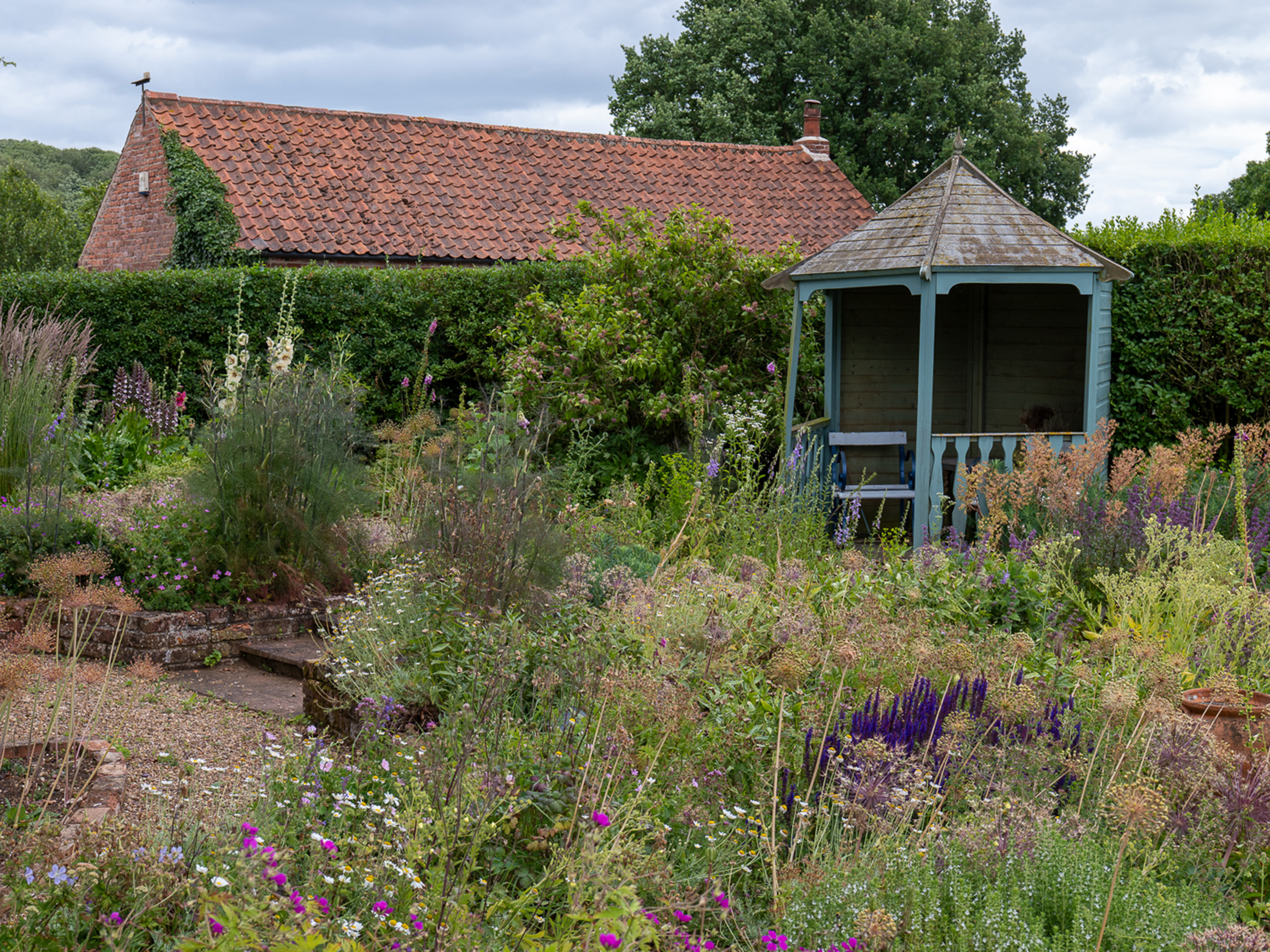
That afternoon we visited Hall Farm Gardens, once run as a nursery, but now a mature garden with many interesting plants and trees, as well as woodland walks, hidden gardens, and impressive ironwork gates.
There were also 3 craft workshops on the site for us to explore, with contemporary furniture, artistic ironwork, and an artist/sculptor.
Day Three
This was the day to buy plants. We visited three very different gardens, some with very narrow access which showed how skilful Will, our coach driver, was at manoeuvring the coach.
Baumber Walled Garden
Baumber Walled Garden is unusual as it is a double walled garden. Originally it was the kitchen garden of Stourton Hall.
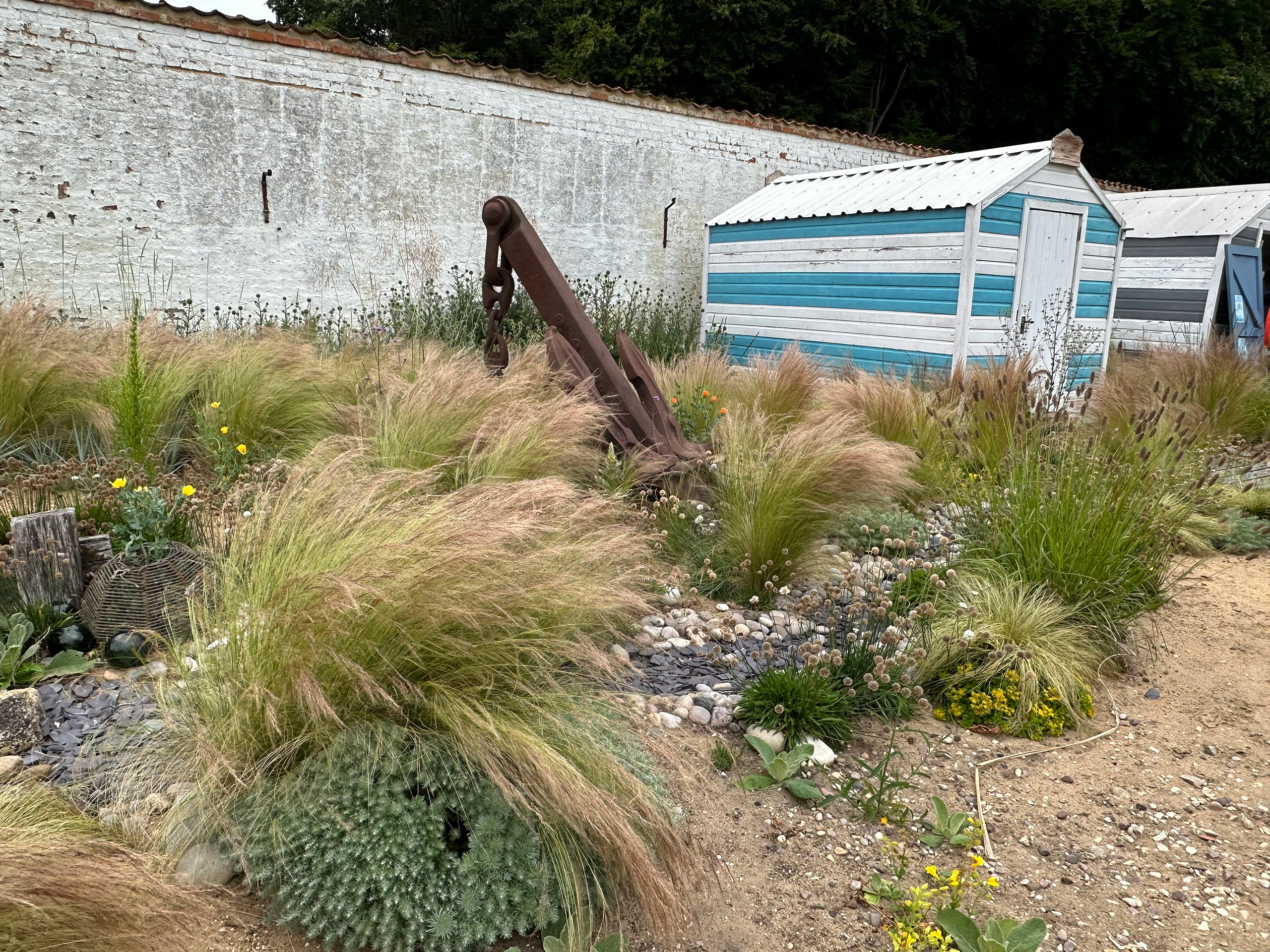
After becoming derelict the current owners redeveloped the garden into different areas which reflect the their background in theatrical design and photography. The plant market was definitely a place to visit, and several plants made their way to the coach.
Woodland Plants
The next stop was Woodlands Plants. This was a plantsman’s garden with many unusual plants including some rarities.
Walking around the garden there was a surprise around every corner, and the range of plants was amazing. The well-stocked nursery area provided another opportunity to buy plants and several more plants were transported by the coach.
Fern Nursery
Our last stop of the day was to a Fern Nursery.
Another interesting place which included the garden area of the local bowls club. Yet more plants made their way to the coach.
On arriving back at our hotel, the plants were transferred to our hotel rooms, where many showers and baths became their temporary homes.
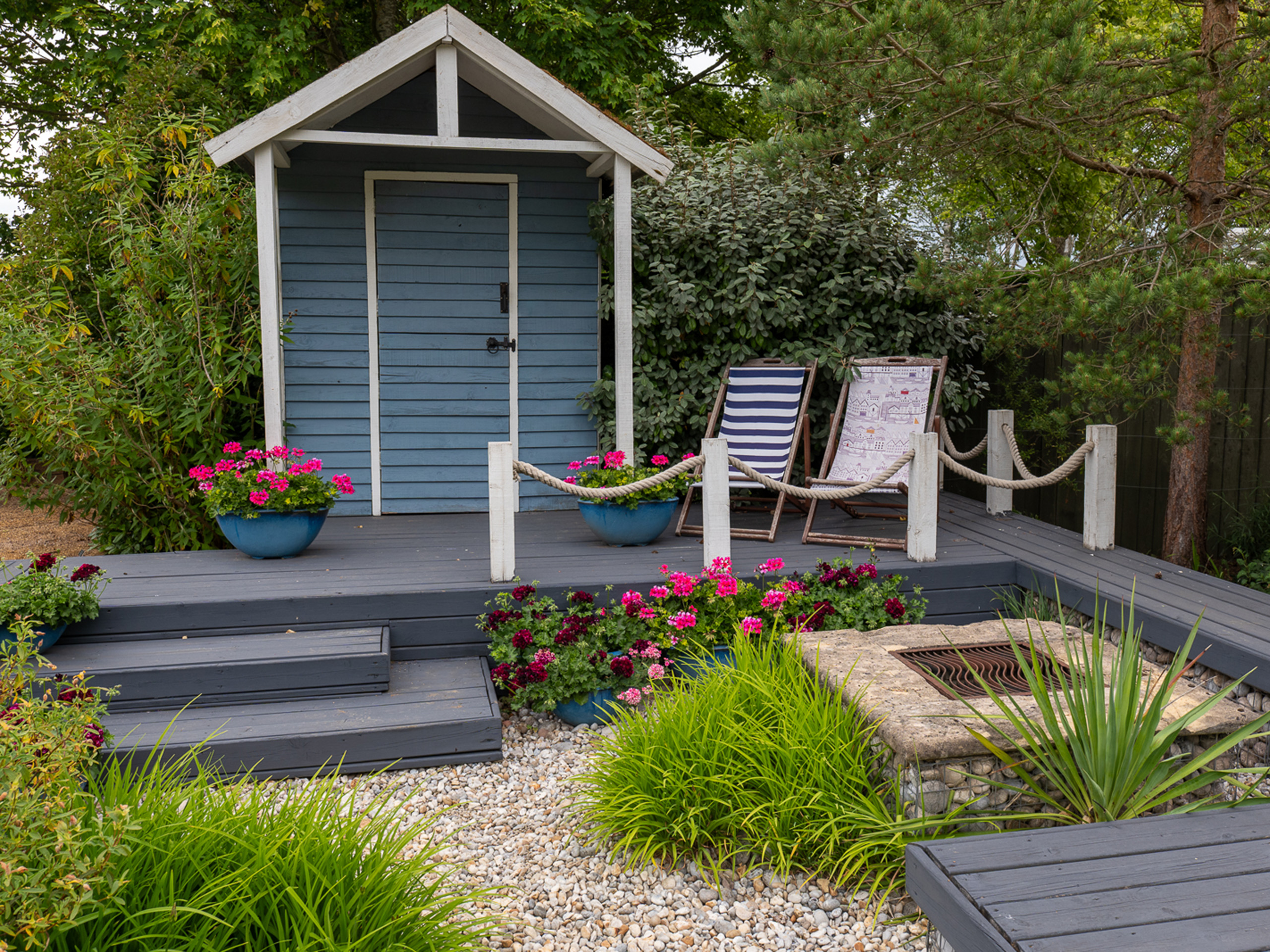
The Seaside Garden at Baumber Walled Garden.
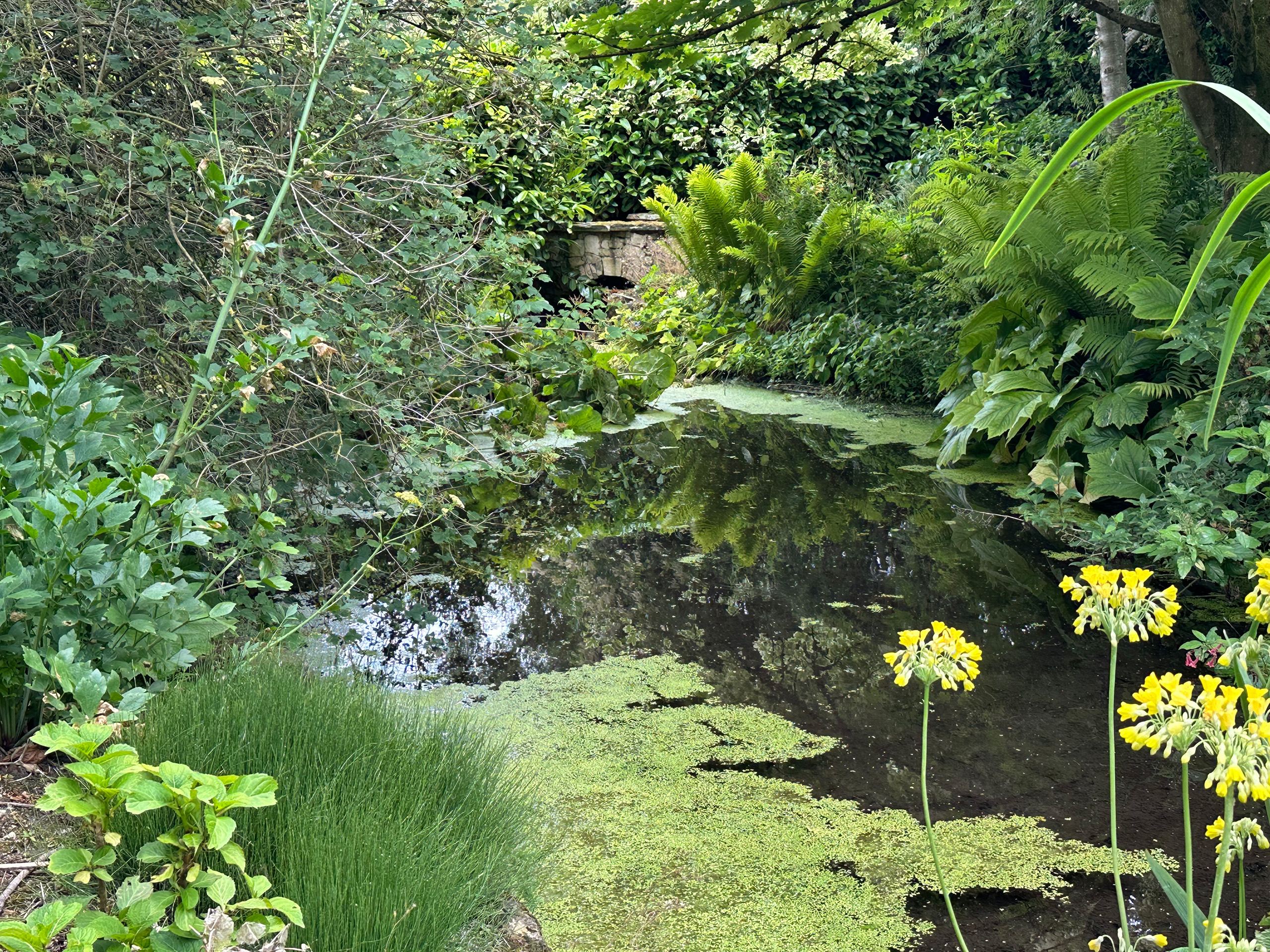
A lake at the Fern Nursery.
Day Four
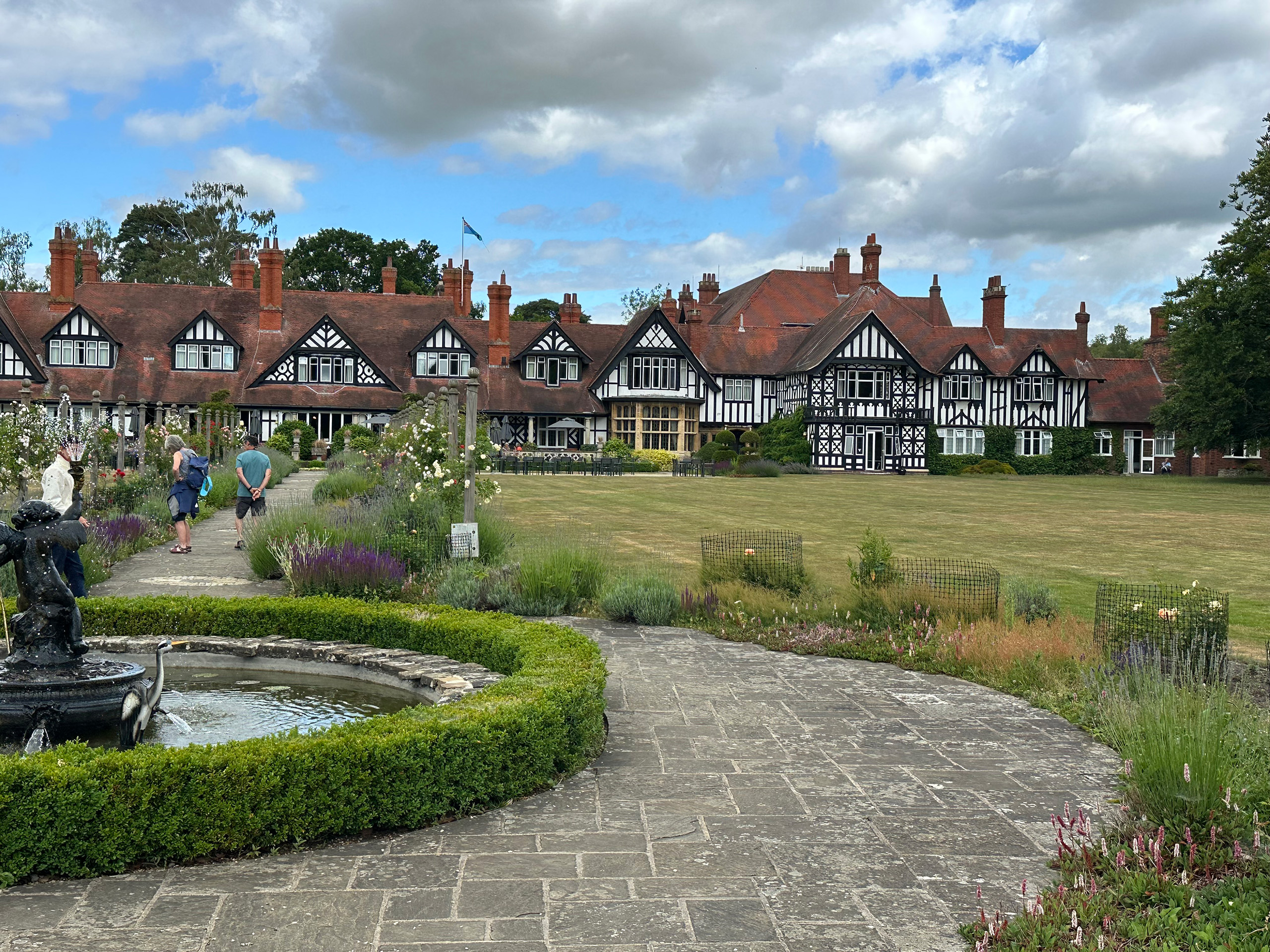
Petwood Gardens
Petwood is a hotel which is well known for being the home of the legendary 617 “Dambusters” Squadron in WW2.
The hotel has a great display of memorabilia in the Squadron Bar. In the gardens is one of the only remaining prototypes of the Barnes Wallis famous bouncing bomb.
The gardens were more formal in places with a walled garden area and woodland paths to explore. Walking through the woodlands was like being transported back to Windsor, as we were surrounded by rhododendrons for the first time on our tour.
Doddington Hall
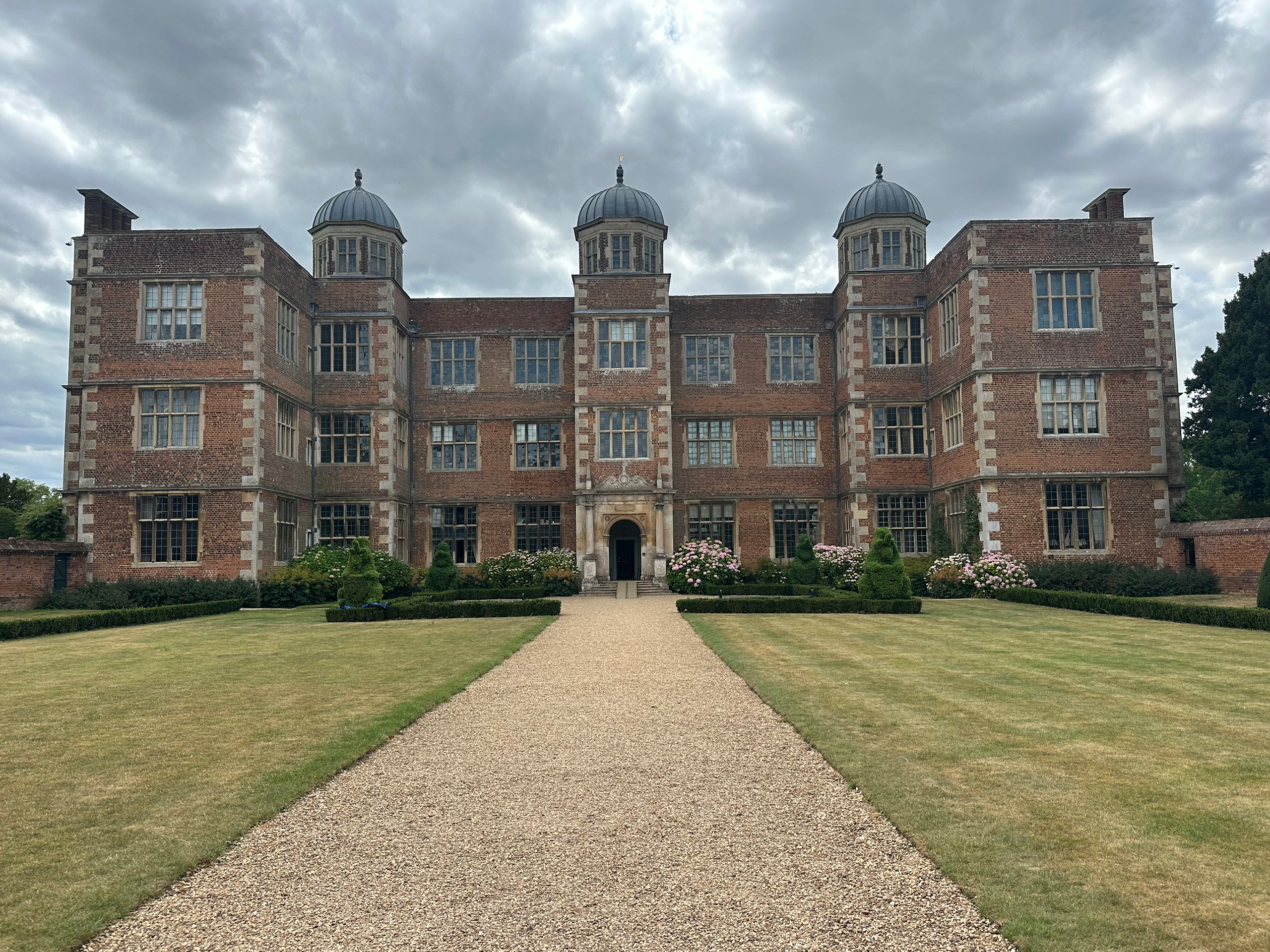
The day continued with a visit to Doddington Hall. Here we had time to explore the house and gardens.
The house has been in the same family for 400 years and offered an insight into the life of a family through the ages. The family portraits showed the changes of time; the most recent family portraits could have come from any modern home.
The gardens have remained in their original Elizabethan layout. The East front garden was very formal with topiary unicorns, while the West Garden at the rear of the house has more colourful plants and shrubs in wide borders surrounded by tall walls. The kitchen garden walls were full of fruit trees.
We discovered the collection of ‘Dodsworth Irises’ in the walled kitchen garden; these are grown and cultivated by expert Bryan Dodsworth. These gardens were completely different from all the others we had visited.
Day Five
Burghley House and Garden
On our return to The Savill Garden we had time for one more stop, Burghley House and Garden.
The gardens are divided into several different areas.
The Garden of Surprises was exactly that, divided by yew and hornbeam hedges, with ‘rooms’ housing several water and astrological based features.
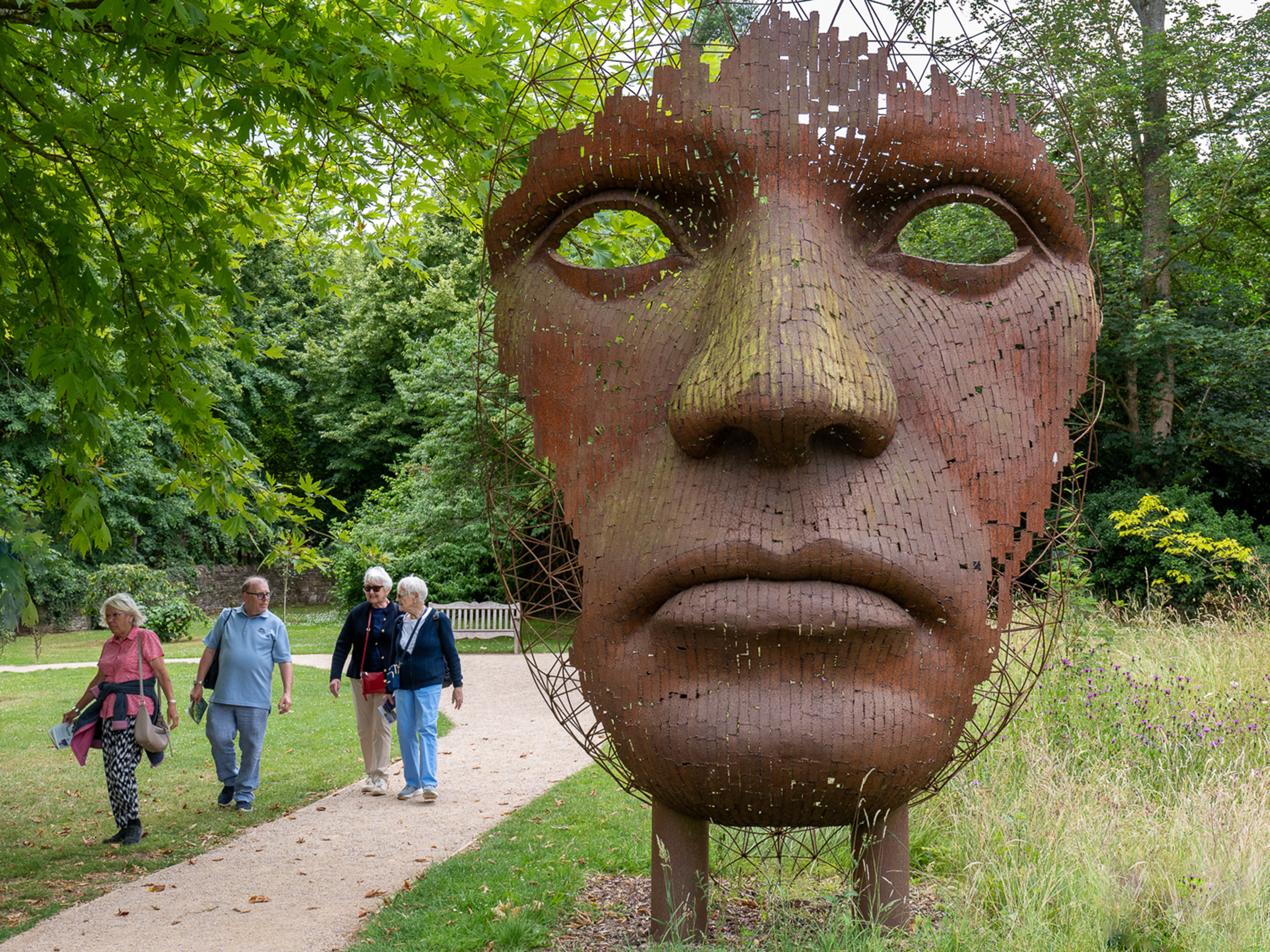
Wandering through the Sculpture Garden, the sculptures would appear behind trees, amongst the wildflowers and planting. The great lake, part of Capability Brown’s landscape provided a peaceful place to walk or sit with calming views.
In the house we explored 18 State Rooms, from the Old Kitchen then upstairs to the Chapel, then the Billard Room and the Brown Drawing Room before entering numerous bedrooms and dressing rooms and ending downstairs in the Great Hall.
The Sculpture Garden in Burghley Garden.
Return home
On leaving Burghley we made our way back to The Savill Garden and due to great planning by David and Will we arrived back at 5:05pm only five minutes later than stated on the itinerary.
The plants were all unloaded carefully ready to make their way to their new gardens.
After thanking David and Will for making the last five days such a memorable holiday, we all made our own way home.