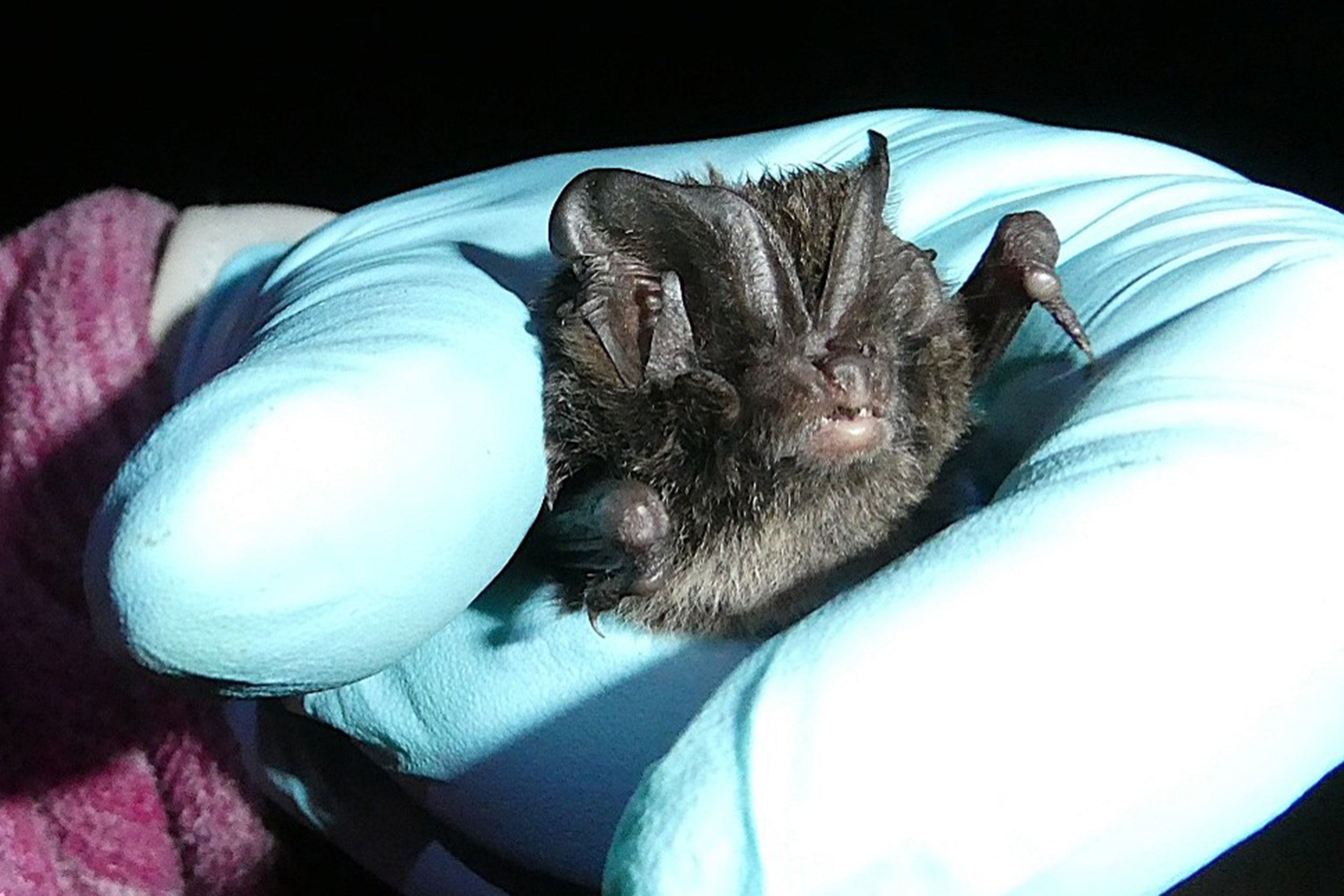
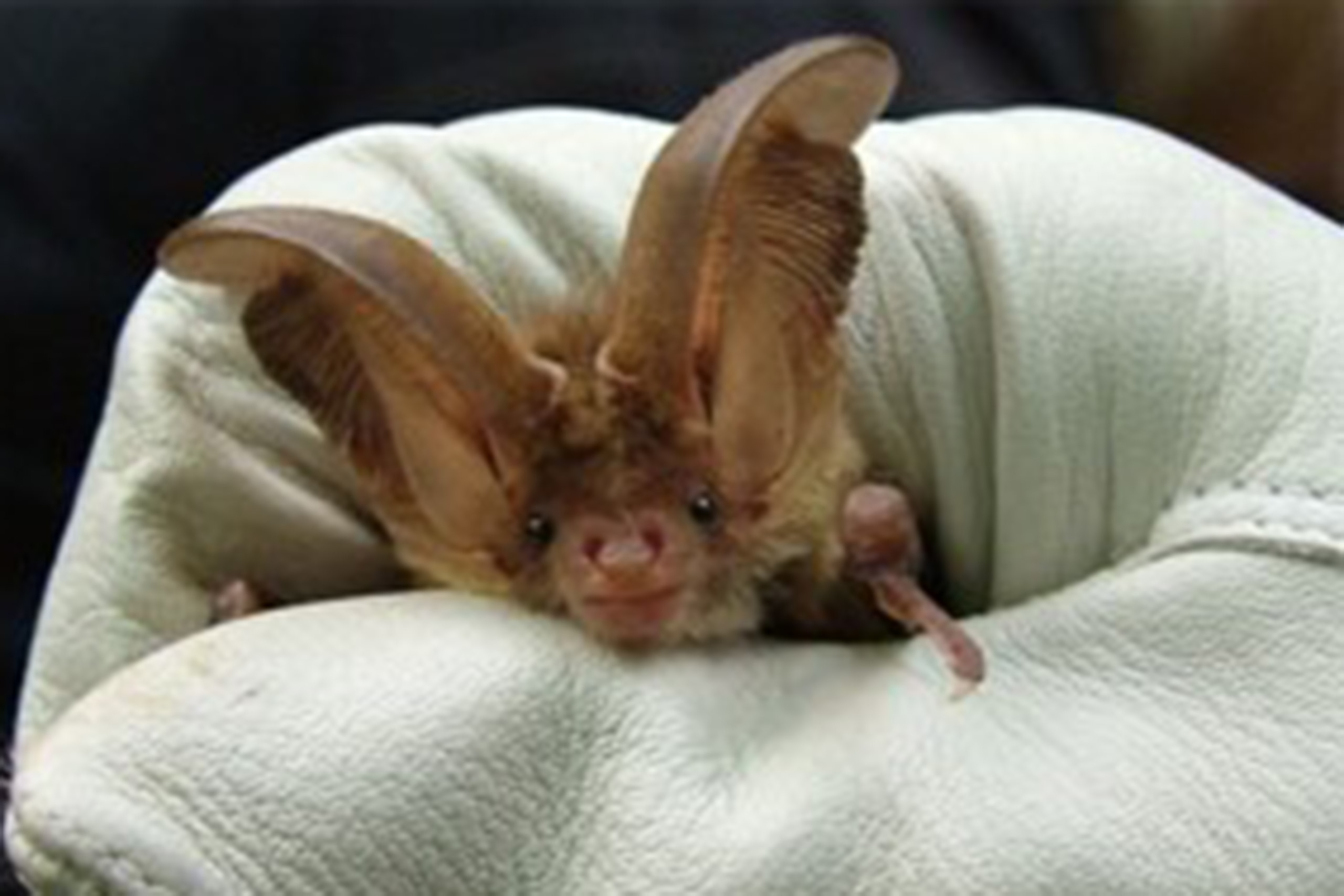
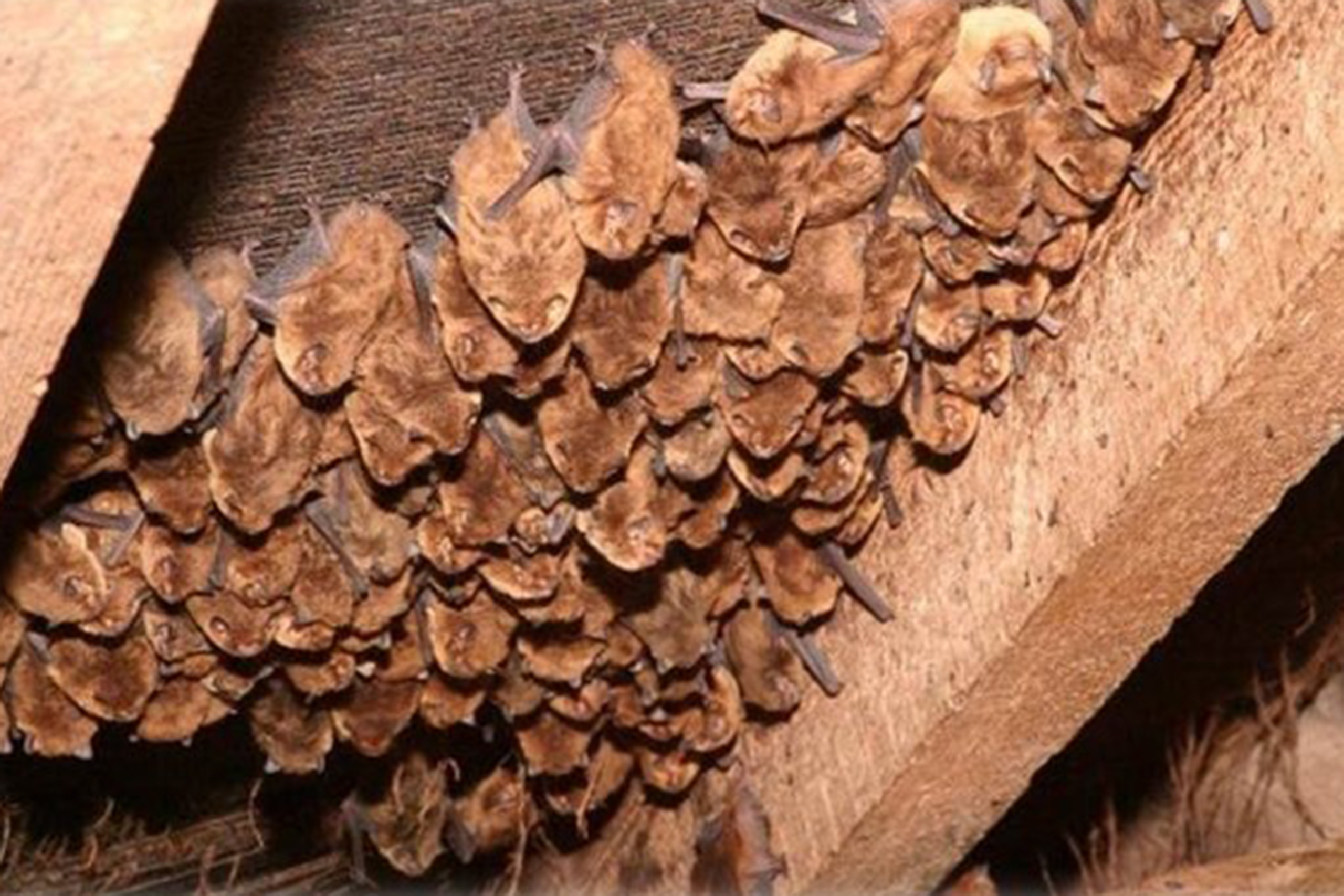
Over 100 Friends met at the York Club on 11 September 2024 to listen to a talk by Emma Turnbull about bats. Emma is a member of the Bat Conservation Trust (https//www.bats.org.uk), a licensed bat worker and a bat enthusiast. She shared her enthusiasm and knowledge in a fascinating talk accompanied by some marvellous pictures.
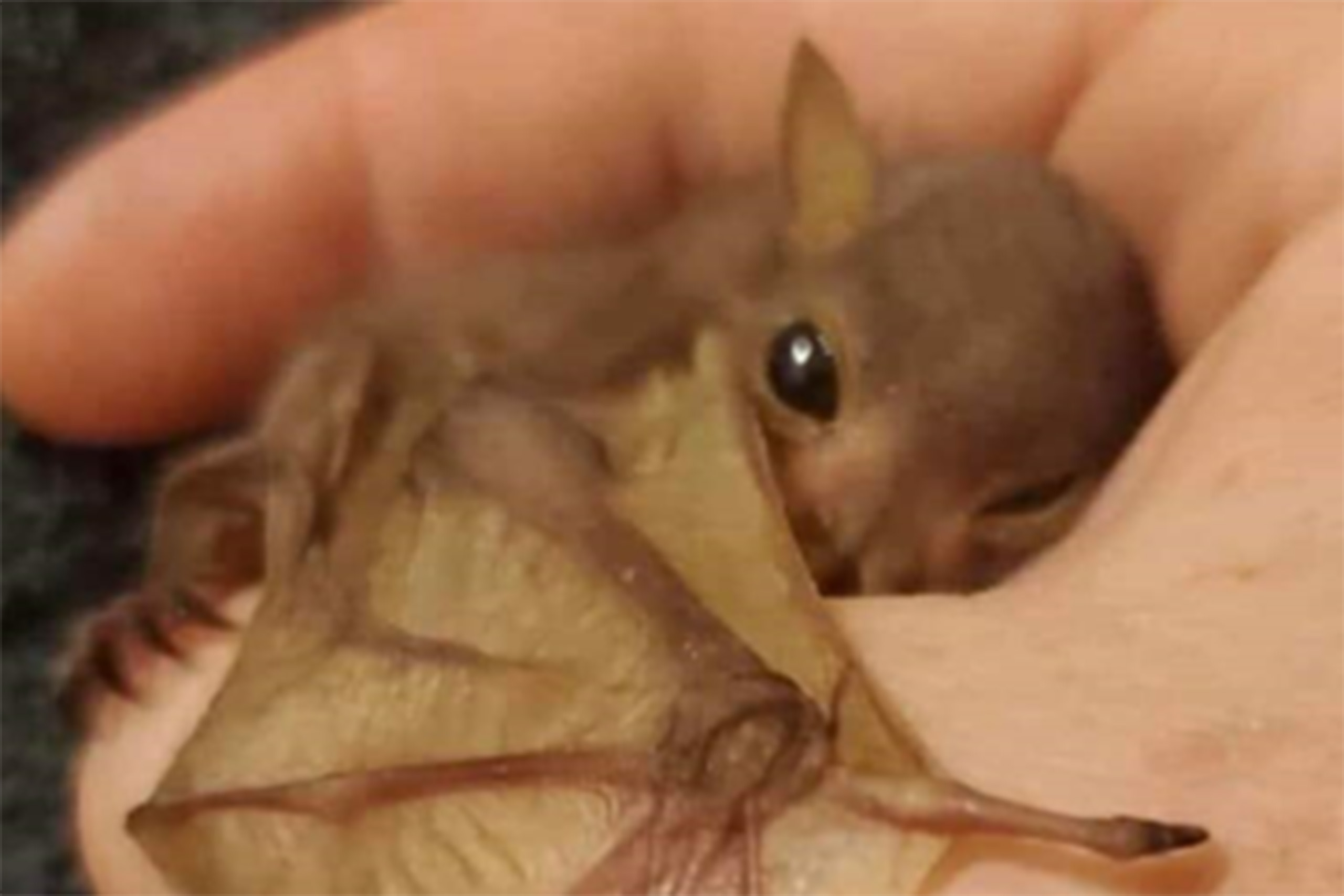
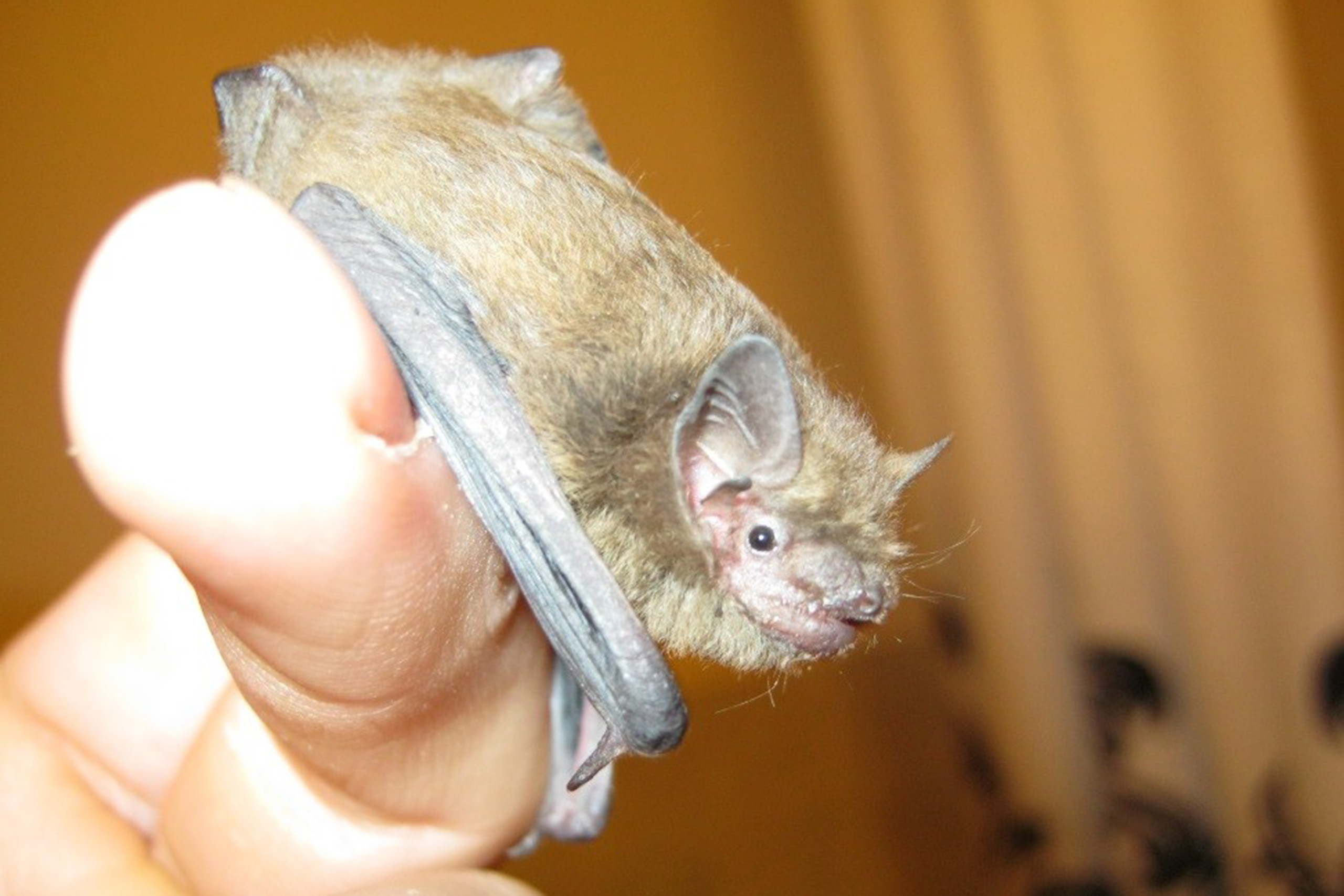
As Emma explained bats are the only true flying mammals and the oldest bat fossil it is about 52,000,000 years old. Bats are found on every continent except Antarctica. The largest bat has a wingspan of two metres but those in Britain are much smaller. The scientific name for bats, Chiroptera, comes from two Greek words which mean “hand” and “wing”, and this can be clearly seen in the picture of the baby bat.
A baby bat, known as a pup
Bat adaptations
Bats have adapted in several unique ways. They have a wing membrane and tail membrane, their heart rates can vary from 20 to 1300, and they also hibernate although it is more of a torpor, a state of physical inactivity, than true hibernation.
Bats use echolocation to see their way around and their ears’ size and function has adapted to meet that requirement. An ultrasound pulse is emitted and the sound, measured in kHz, reflects back. To save energy the rate of calls are linked to their wing beats and the repetition rate and range of the frequency varies.
At this time of year bats are mating and beginning to think about hibernation. The females store the sperm during hibernation and have their young in spring and summer; just one pup which is 20-30% of the adult size.
Diet and habitat
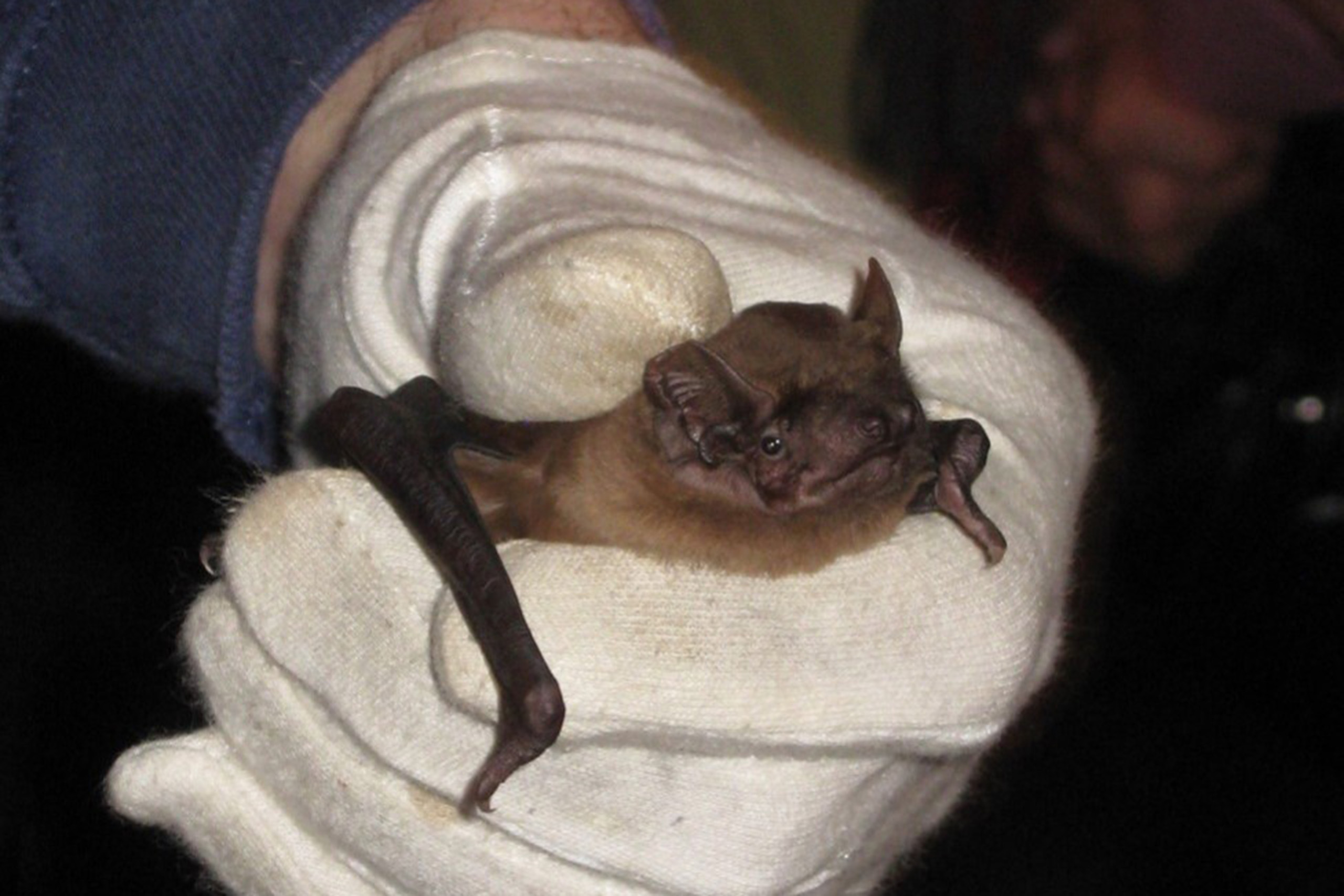
Britain has 18 species which make up about 1/3 of our mammal species. All our bats are insectivorous with the smaller pipistrelles eating small flying insects and the larger noctule bats eating larger creatures such as beetles. They range in size from the smallest, the common pipistrelle with a wingspan of 18-24cm, to the noctule with a wingspan of 32-45cm.
They use a considerable amount of energy flying and need to eat large amounts of insects; for example, the tiny pipistrelle can eat up to eat 3000 insects in one night.
Bats use a wide range of habitats for foraging. They need areas with plenty of night flying insects and the best areas for bats to feed are over water in or near woodland and over grassland. Places where bats congregate and spend the day are called roosts; they need constant temperature and humidity level. They can hibernate in trees and caves as well as in buildings.
Bats at Windsor
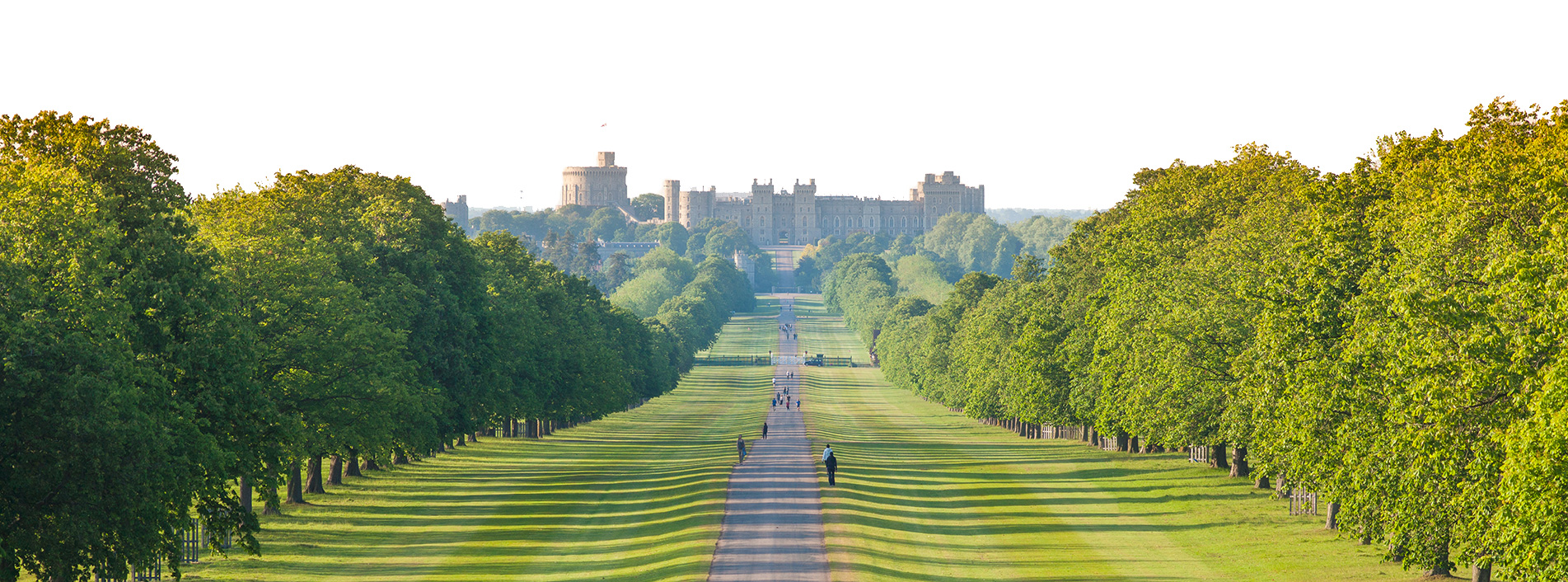
Only recently have studies begun about the bats in the wider landscape at Windsor. Last year Natural England granted a project licence to survey bats through trapping which has to be carried out under specific licence and only by experienced fully trained people such as Emma.
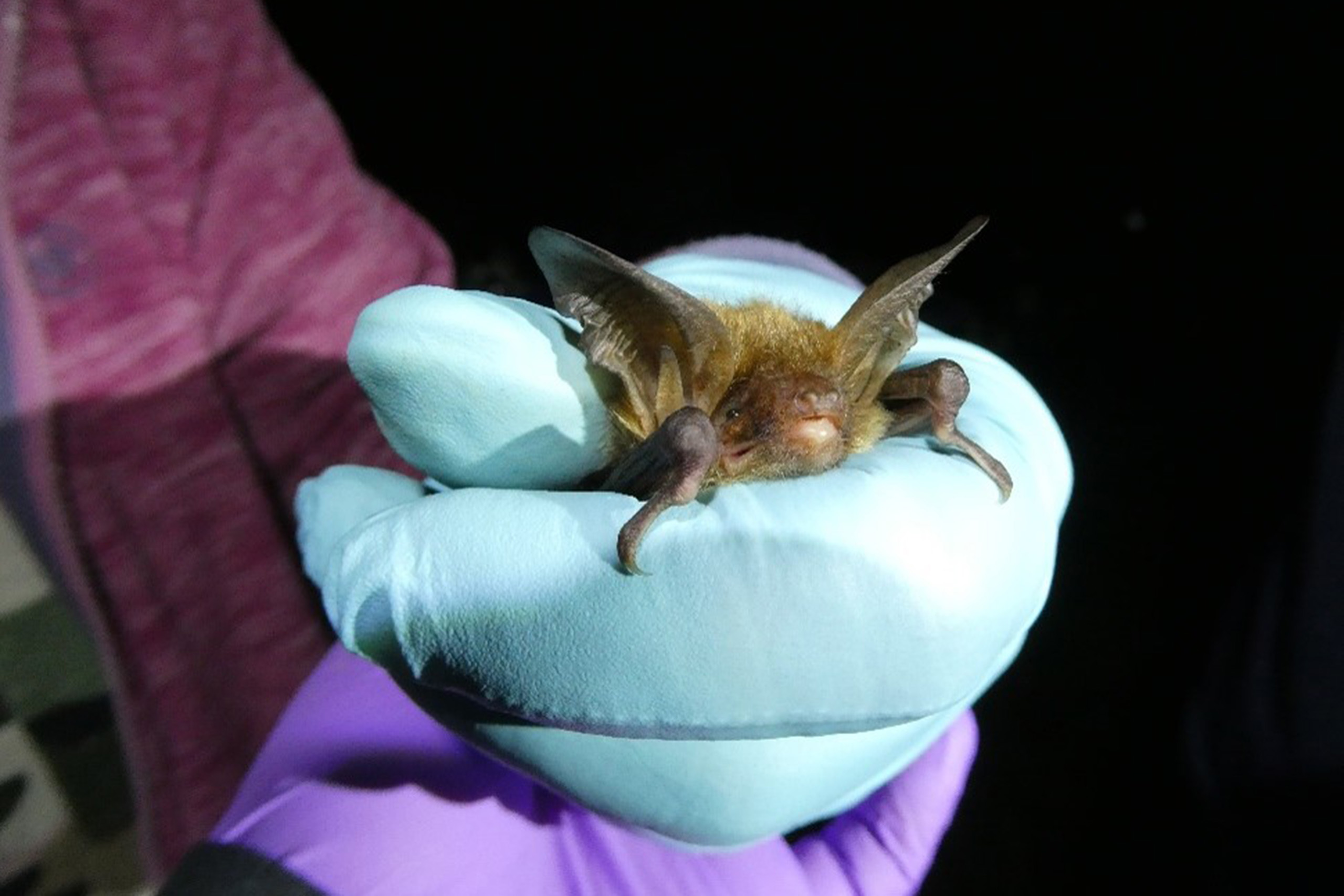
Through trapping and box checks, 12 species of bats have been found in Windsor Great Park which is a significant proportion of the overall number of species. These include the Bechstein’s bat which together with the Barbastelle are two of the UK’s rarest woodland specialist bats.
Misconceptions
Emma explained that bats are not blind, nor do they roost in belfries. They don’t get in your hair, and they aren’t pests although they do eat pests. There are vampire bats, but they are only found in Central and South America and do little damage to their victims.
Regulations
Bats (and their roosts) are protected by law. Numbers have diminished due to roost loss and natural predators such as sparrowhawks, owls and cats. Timber treatments and pesticides have also contributed to their decline.
Emma explained that if we wish to help, we could put up bat boxes (ideally up about four metres) on trees or buildings, plant pollinator friendly plants to attract the insects, have a pond, no matter how small, to encourage aquatic insects.
Discover more
We were due to walk to the ponds at the York Club to see and hear for ourselves any bats that might be flying around. Unfortunately, the evening was too cold, and the bats decided to stay in their roosts, so the evening ended slightly earlier than expected.
However, not all is lost, Emma leads bat walks in Windsor Great Park with her colleague Caroline Everett through the Berks, Bucks and Oxon Wildlife Trust (BBOWT). Caroline is based at the Environmental Centre, and they do a range of adult learning sessions. You can find out more about what goes on at the Environmental Centre here: https://windsorgreatpark.co.uk/bbowt