Windsor Great Park has a wealth of trees that flower over the summer months across The Savill Garden and Valley Gardens.
In this article John Anderson, Keeper of the Gardens, explores some of his favourite specimens and what makes them so special.
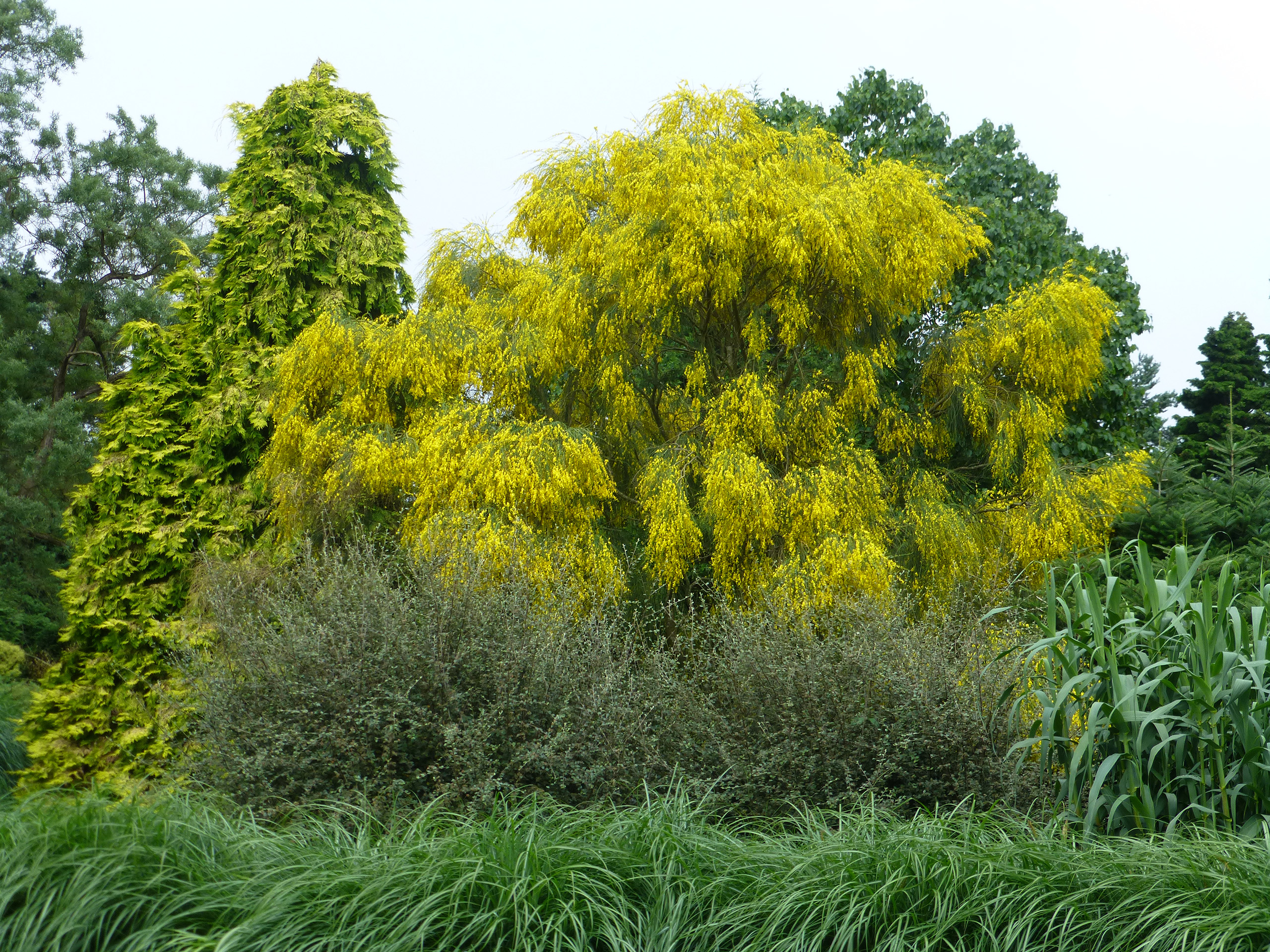
The Mount Etna Broom
The genus Genista contains mainly evergreen and deciduous shrubs and a few trees, but none better than the Mount Etna Broom (Genista etnensis). This is a small to medium sized tree that is a most graceful addition to any garden.
Native to Sardinia and Sicily, this Mediterranean species merits wider planting as climate change progresses. It is also a very hardy tree which grows at an altitude of 2,000-3,000 metres above sea level.
The young trees in the Heather Garden originated from an older tree that has since been removed. This weeping tree reaches 5-6m tall and bears numerous small yellow flowers.
It will happily grow in sunny, well drained areas given some shelter from strong winds. There are two fine flowering specimens by Ascot Railway Station near the industrial park.
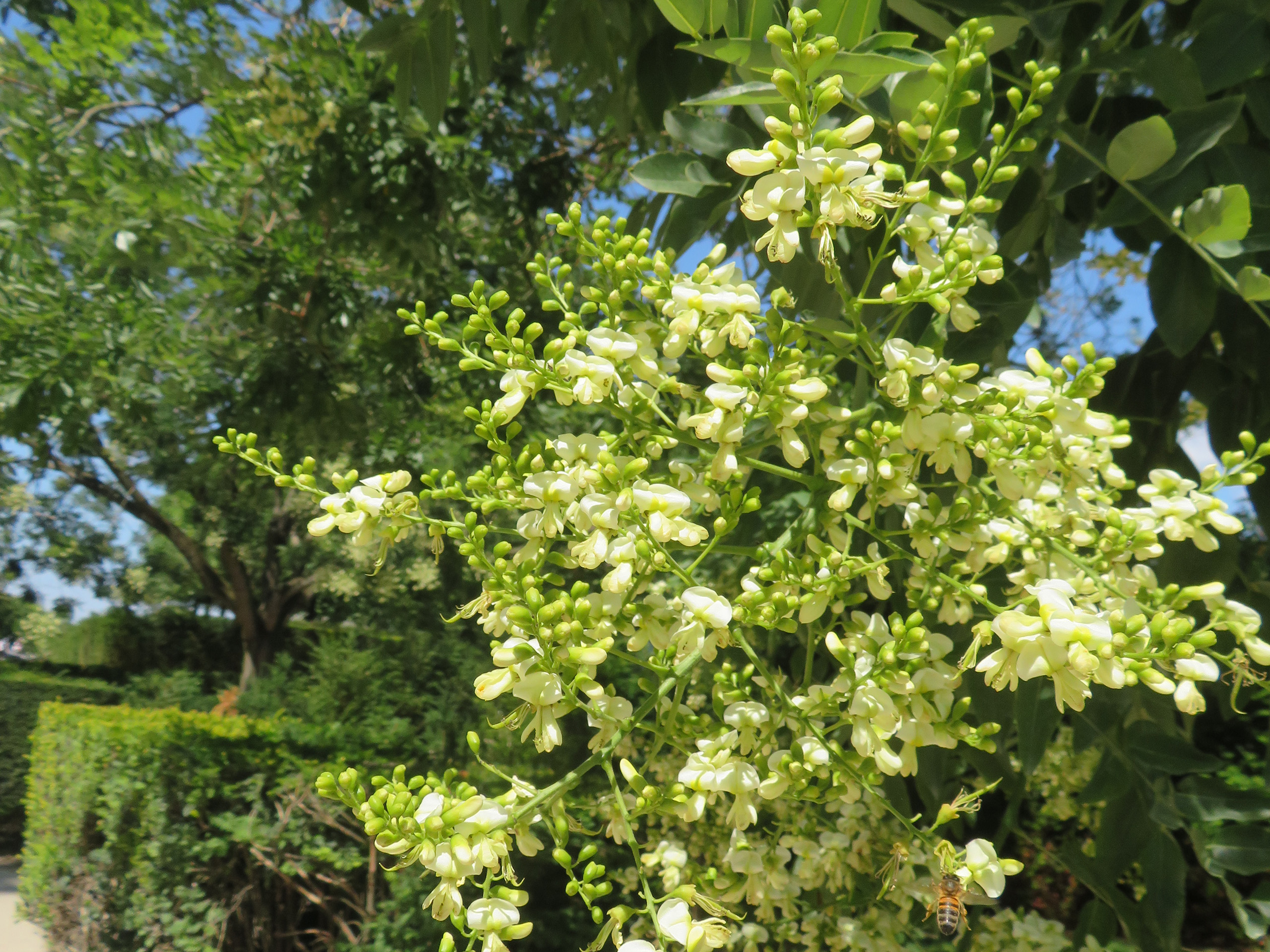
Japanese Pagoda Tree
At one time this deciduous large tree was under the genus Sophora but in recent years it has been sunk under a new genus with a very long scientific name Styphnolobium japonicum – (syn.Sophora japonica) – not ideal for gardeners especially if you go to a garden centre and ask for a young tree.
It is even more confusing as it is known as the Japanese Pagoda Tree which has little to do with Japan and is instead native to China.
It has been in cultivation in France since 1747 and then introduced to England in 1753. The tree can grow to between 20-25m in height and produces masses of creamy white panicles of flowers in July and August but can take up to 25 years or more before it flowers.
One of the easiest ways to recognise the tree is when the flowers fall to the ground in summer leaving a carpet of tiny creamy white pea shaped flowers.
The bark when young is green with white lenticels and as it matures put on a paler grey-light brown ash tree like trunk.
Best specimens tend to be in the south of England where it has warmer summers. This tree is also widely planted along streets and is also suitable for larger parks and gardens.
There is a specimen in the Heather Garden and more locally near Queen Anne Cottage, Windsor which flowers in July.
A loosely compact, attractive weeping species is perfect for small gardens where space is limited. As a note – one must be a little careful around the wood and foliage especially if it gets into drinking water – it turns it into a laxative.
The Golden Rain Tree
The Golden Rain tree (Koelreutaria paniculata) is fast becoming a very desirable deciduous tree for urban and city landscaping.
Native to China, Vietnam, and North and South Korea, the tree grows in the wild amongst mountainous dry river valleys in well drained soils.
Introduced to Europe in the mid-18th century, the Golden Rain Tree remains popular in large gardens and public parks. It has become a go to tree for planting as a street tree in many of our southern UK and European cities where the impact of climate is challenging tree officers and park managers to find resilient and suitable tree species to meet the needs of enhancing and greening our landscapes. A notable example at Syon House, London, has grown over 17 metres (55 ft) tall.
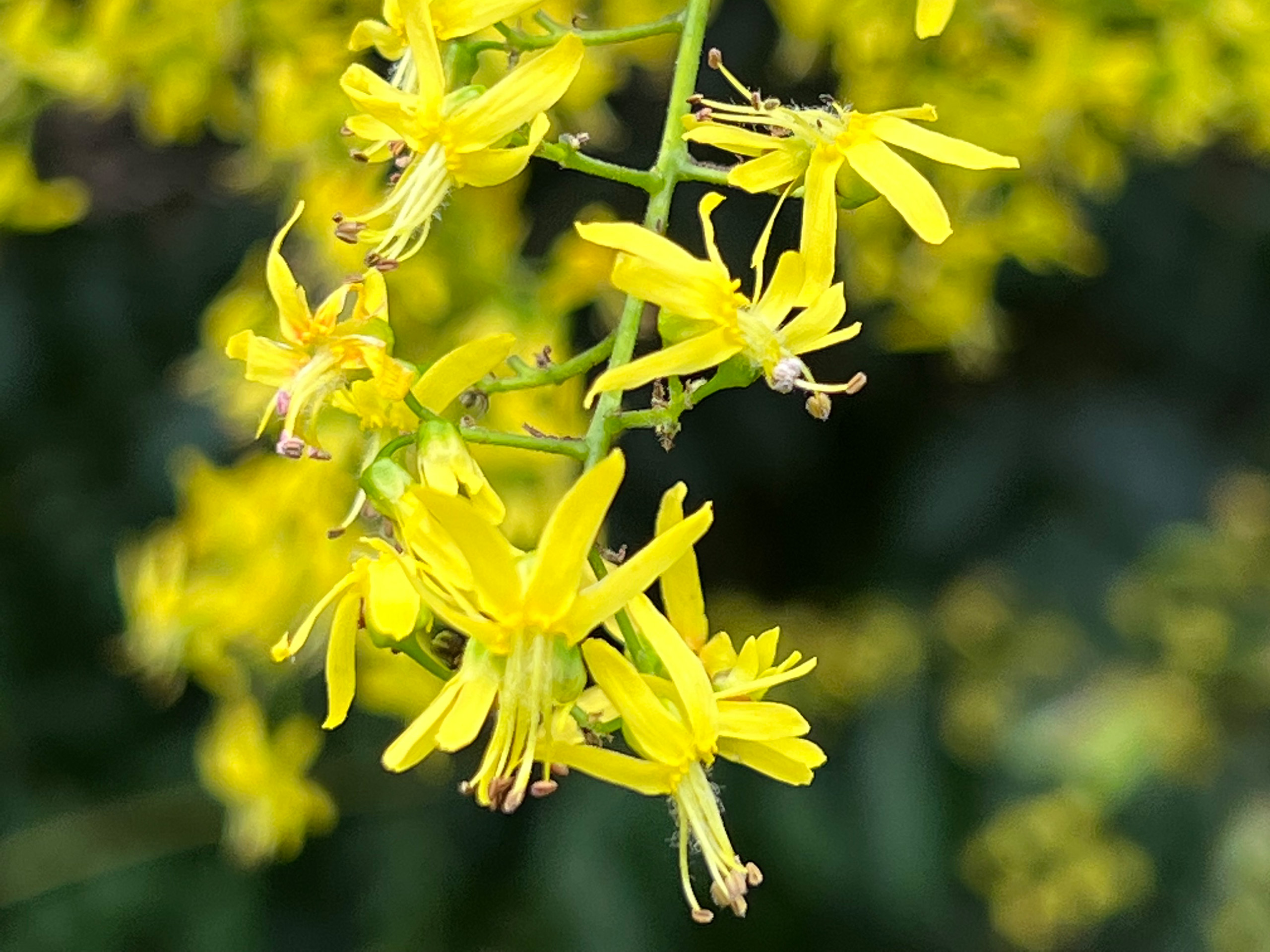
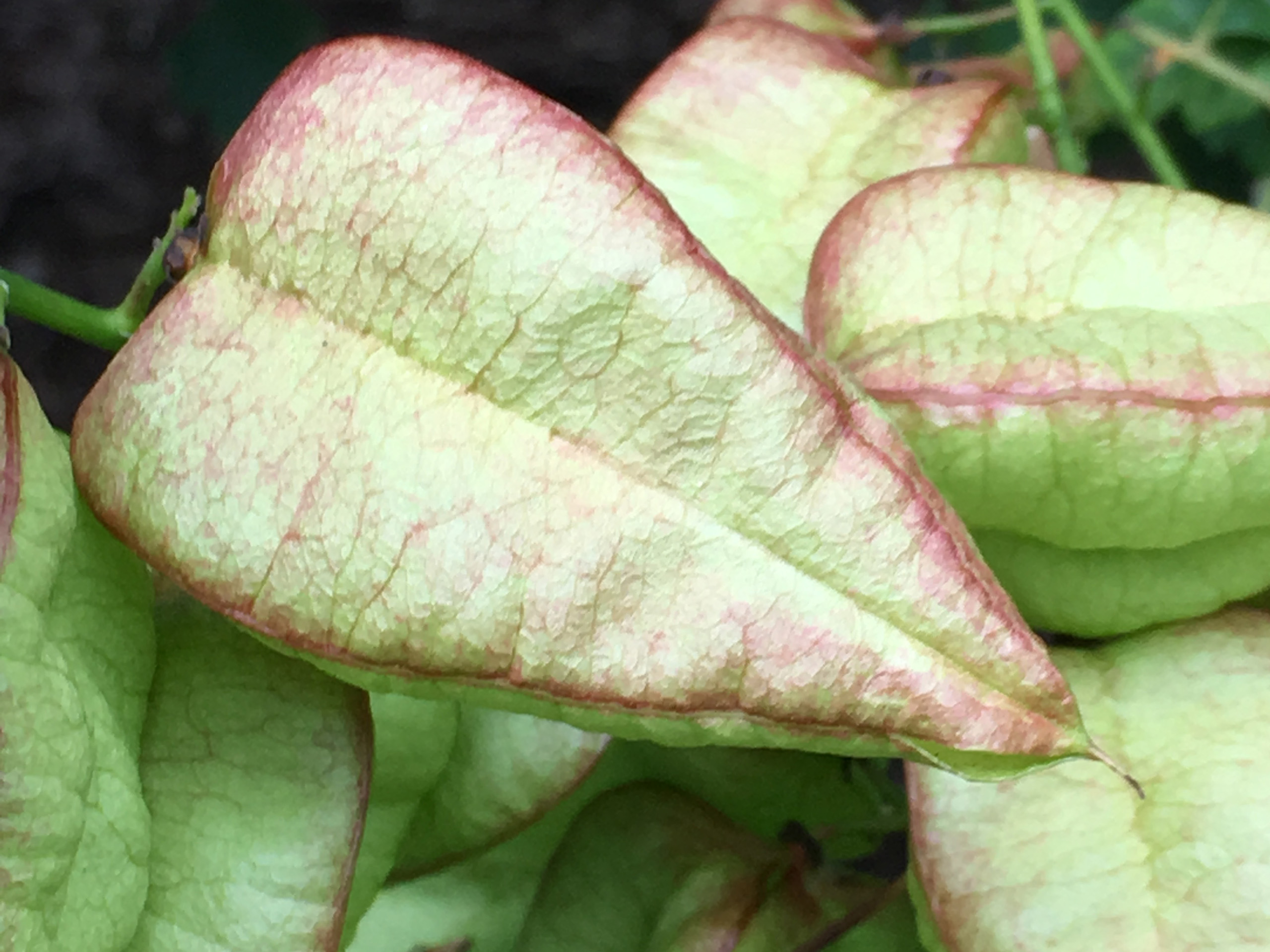
The flowering time is normally in mid-summer around July to early August with displays of great panicles of golden yellow flowers. This is followed by large bladder like seed pods – a very distinctive feature in autumn with each pod carrying seeds.
Golden Rain Tree flowers.
The seed pod of a Golden Rain Tree.
White Knights of Summer
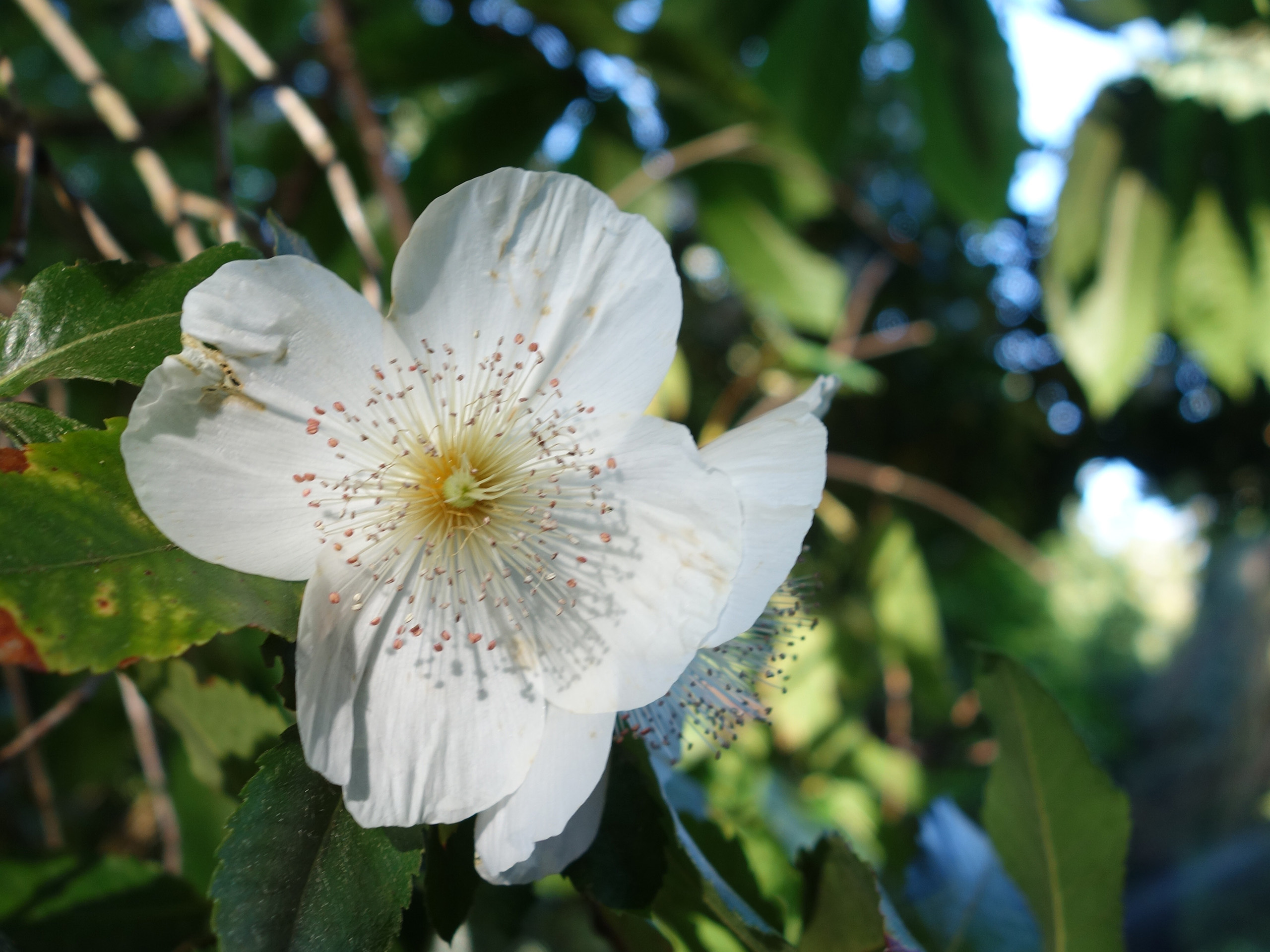
One of my favourite and specialist group of trees and shrubs are the White Nights of Summer (Eucryphia ssp. & cvs). This is a small genus with 7 species and a dozen or so cultivars. All the species come from the southern hemisphere – two in Chile and Argentina and the remainder in Australia.
Eucryphia glutinosa is the only deciduous species, and it can be found in Spring Wood in The Savill Garden. There are also a couple of double flowering forms in the Valley Gardens.
What they like best is for their roots to be in cool acid (for most) soil conditions and the flowering stems in sunshine. They flower from August to October depending on the specie and cultivar.
One of the finest of all flowering summer trees is Eucryphia x nymanensis ‘Nymansay’ which is a cross between the two south American species (E. cordifolia & E. glutinosa) which originated in The National Trust Garden of Nymans in Sussex back in the 1920’s when the Messel family privately owned the gardens. In the Valley Garden at Queens Corner there is a young specimen that flowers around July or August each year.
For the smaller garden there are a number of very interesting small leaved hybrids of Eucryphia lucida, including following E. lucida ‘Ballerina’; E. lucida ‘Gilt Edge’ E. lucida ‘Ballerina’ and E. lucida ‘Pink Cloud’’. These plants have small, abundant flowers in shades from white to pink, and some feature variegated or gold-edged foliage.
Eucryphia x nymanensis ‘Nymansay’.
The Lacebark or Ribbonweed Trees
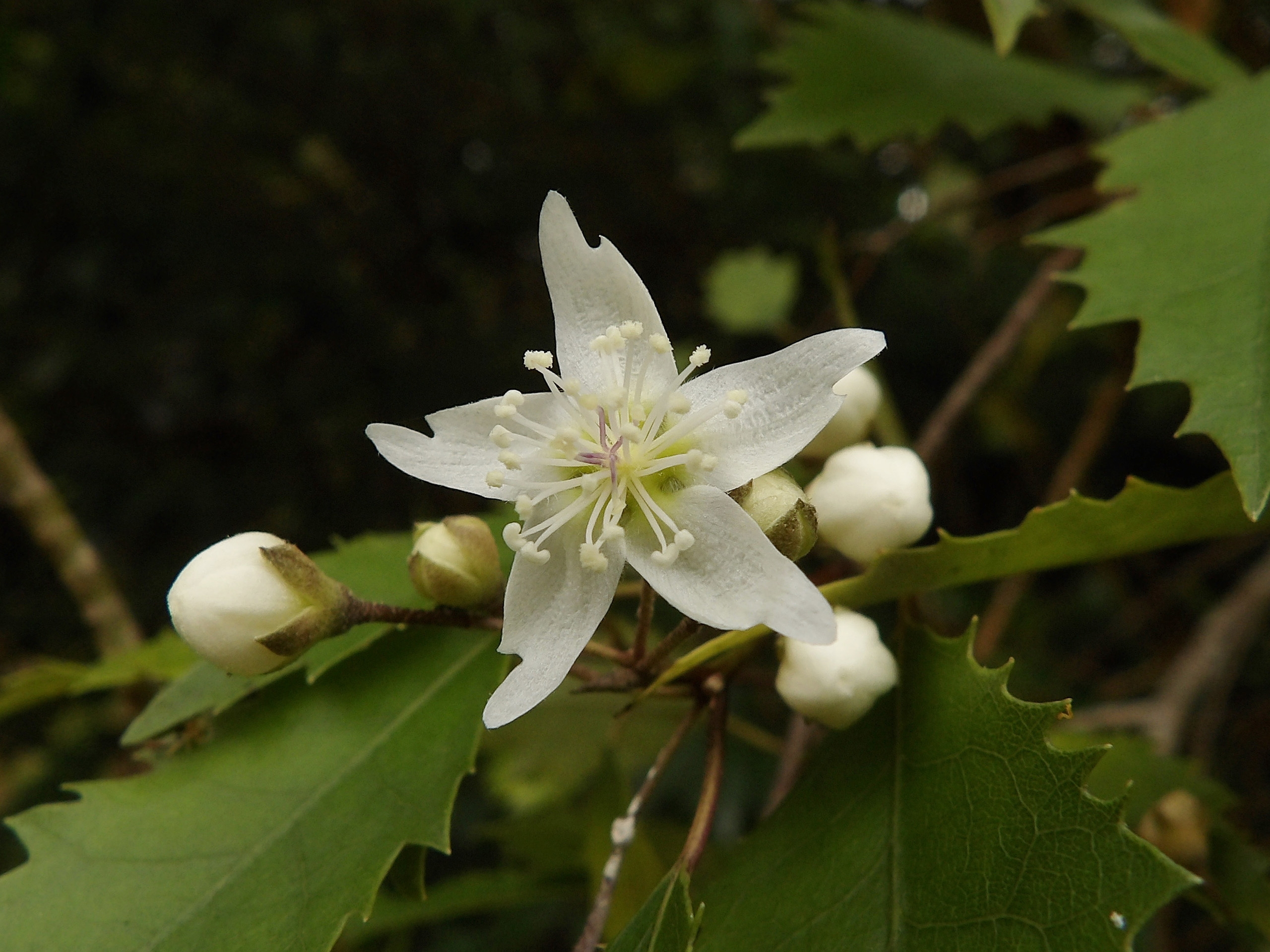
In the New Zealand Garden in The Savill Garden the Hoherias are the main summer flowering trees you’ll come across. To my knowledge they are only white flowering, though the flower size varies with the largest flowers coming from Hoheria lyallii.
This plant requires some shelter, plenty of sunlight, and extra watering in dry summers.
The best known and one of the commonest is Hoheria sexstylosa which is evergreen with long heavily serrated, lanceolate leaves. The best form is Hoheria sexstylosa ‘Stardust’ which produces abundant white flowers in mid-summer, and specimens are typically between 4 to 6m.
The final species for this article is H. angustifolia which is one of the less common and less spectacular in flower. Several years ago, at The Savill Garden a notable group of plants was located where the Tropical beds now sit, opposite the Herbaceous Border near Spring Wood. These specimens are now in the New Zealand garden across from the Lawns entrance. It’s an exceptionally fine clump and regularly throws up plenty of seedlings.