Each spring, The Savill Garden and The Valley Gardens woodlands come alive with magical beauty, and this year is no exception. Walking through the woodland garden reveals a harmonious balance of plants across the upper and lower stories, while the woodland perennials burst forth with fascinating colours.
The vivid colours of genus Erythronium
One remarkable plant for the woodland garden is the Dog’s Toothed Violet, or Trout Lily, from the genus Erythronium, native to Eurasia and North America.
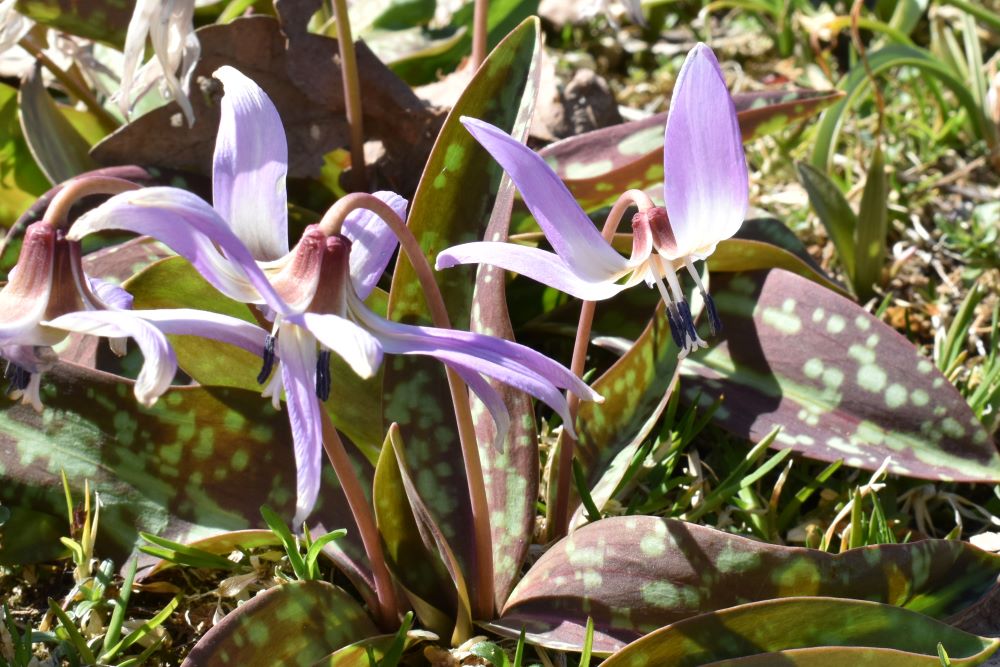
At The Savill Garden and The Valley Gardens, the North American Dog’s Toothed Violet (Erythronium nervosum) stands out, with its semi-naturalised pink blooms adorning parts of the woodland.
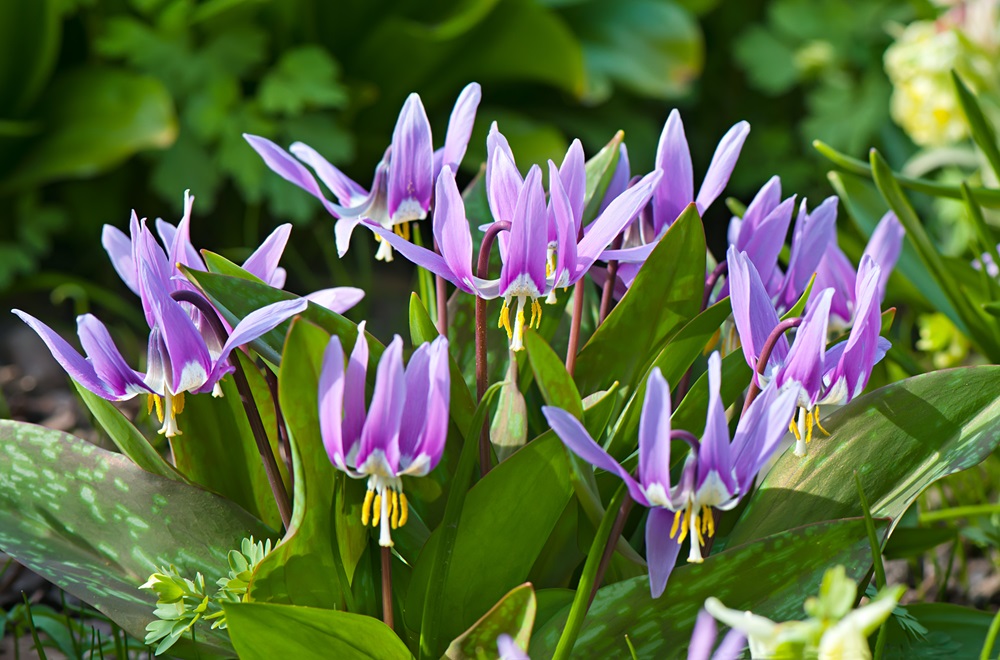
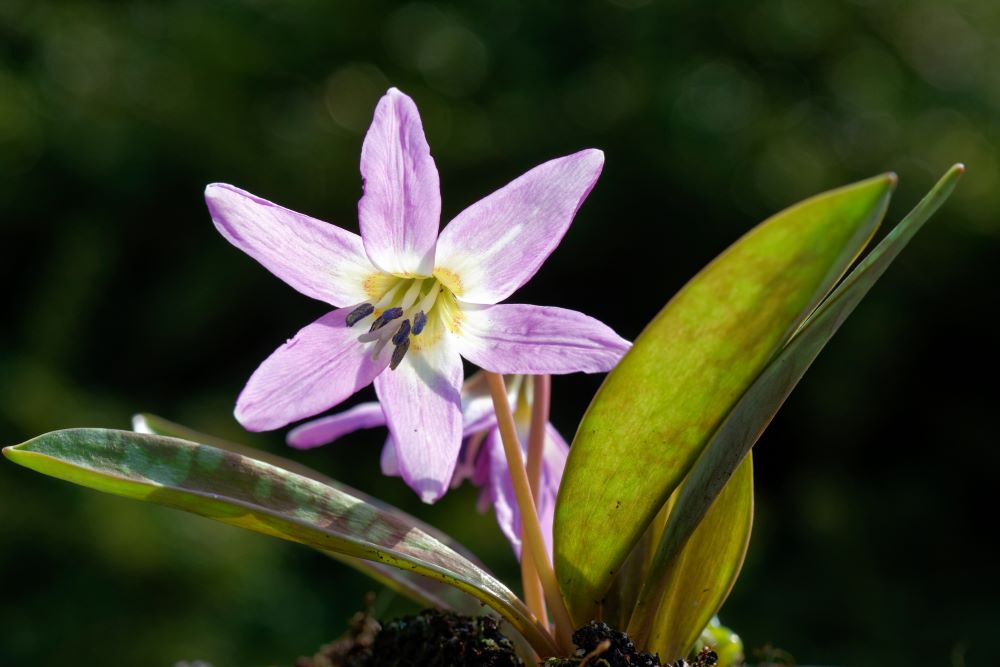
This species is joined by others, such as Erythronium dens-canis, the European Dog’s Toothed Violet, and newly planted varieties like E. dens-canis ‘Purple King’ and ‘Rose Queen.’
Erythronium denis-canis ‘Purple King’
Erythronium dens-canis ‘Rose Queen’
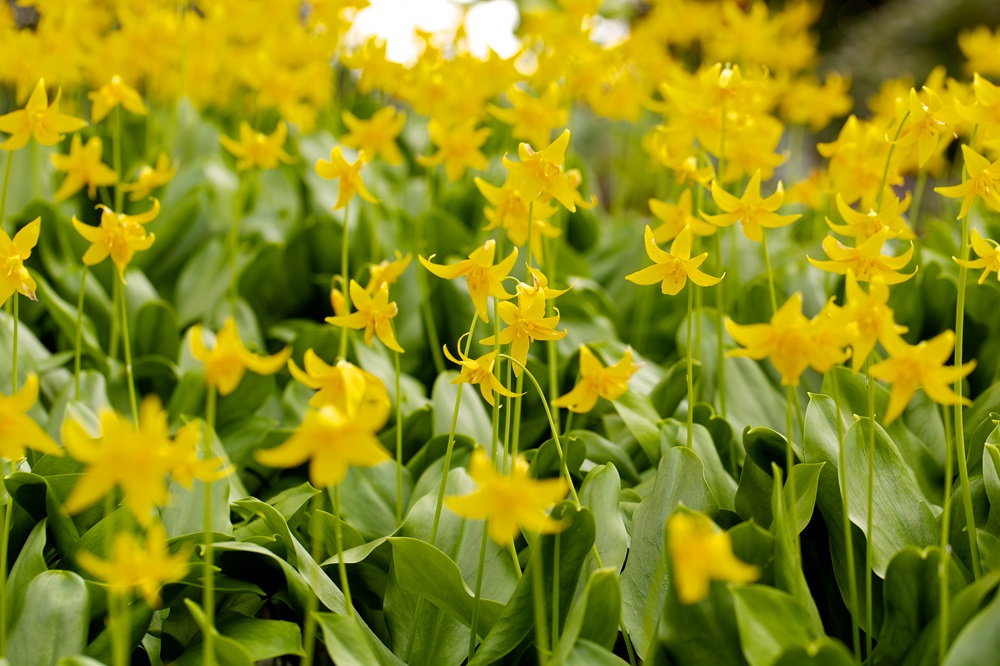
Versatile and rewarding, Erythronium ‘Pagoda’, with its clump-forming yellow blooms, and mottled foliage, thrives along woodland bed edges.
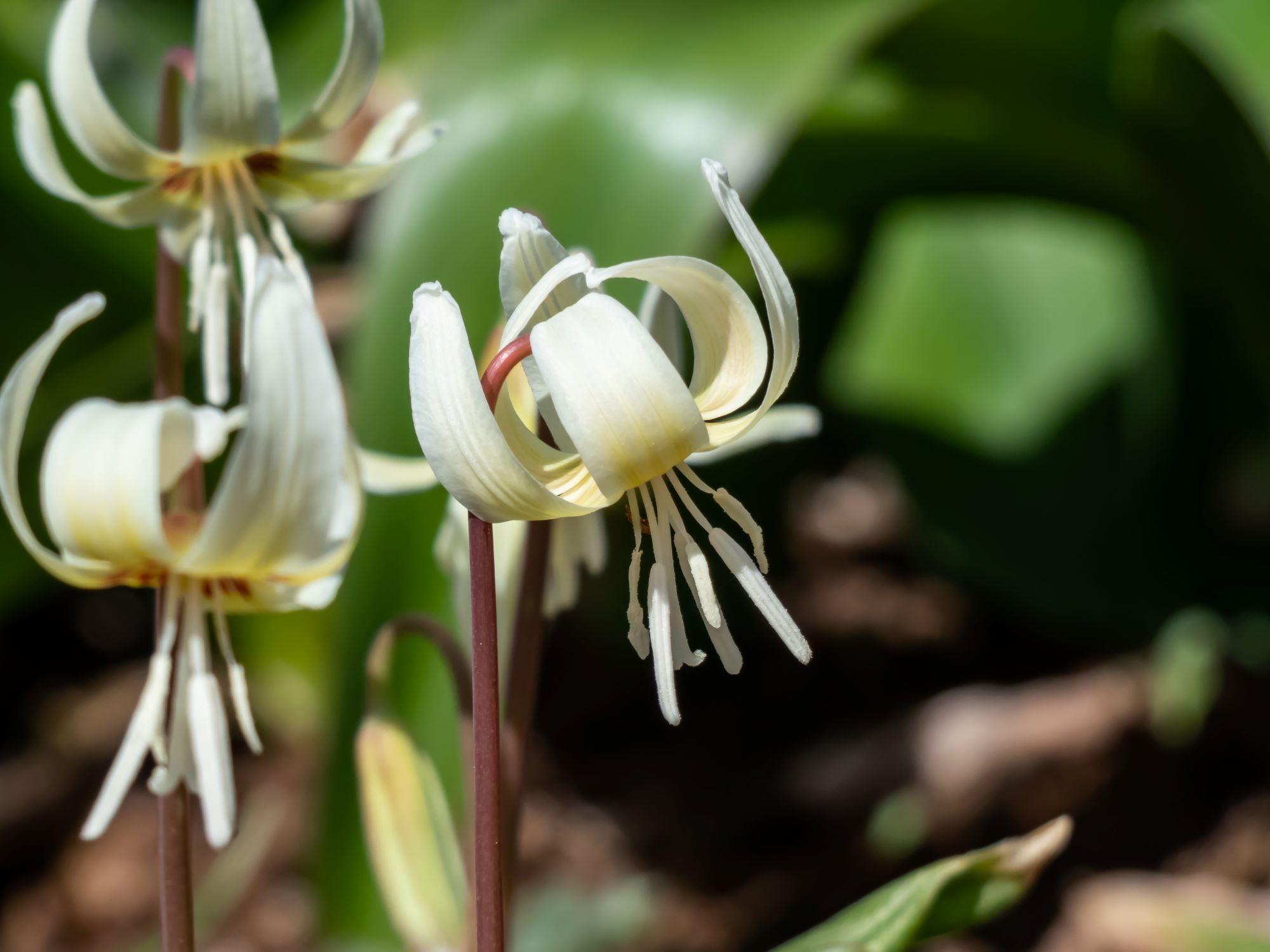
Another favorite is Erythronium californicum ‘White Beauty,’ featuring nodding white flowers with white anthers, blooming strongly in April.
The easy to grow Trillium
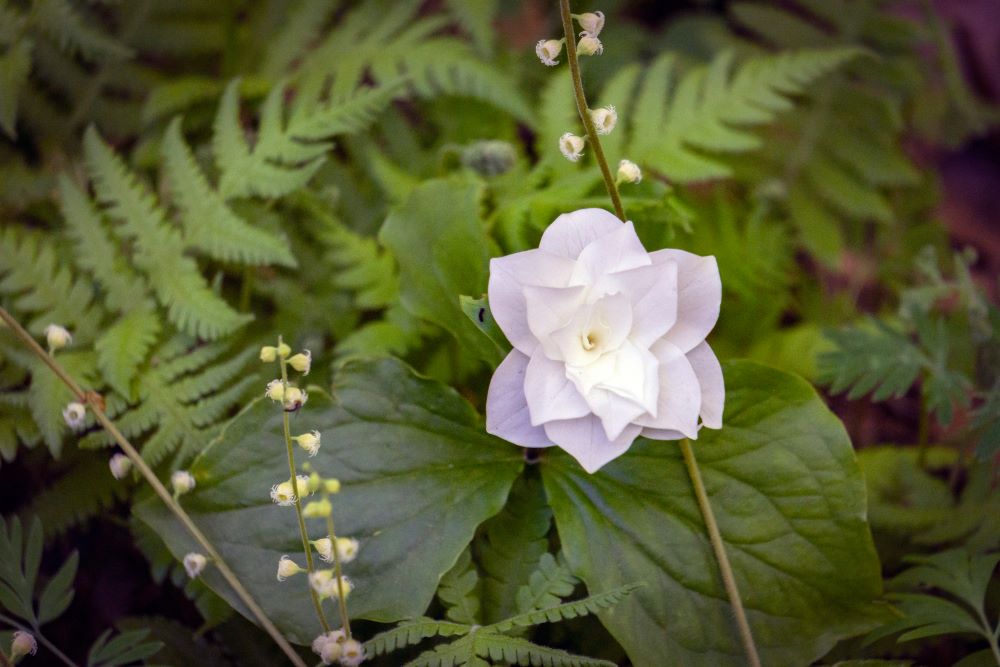
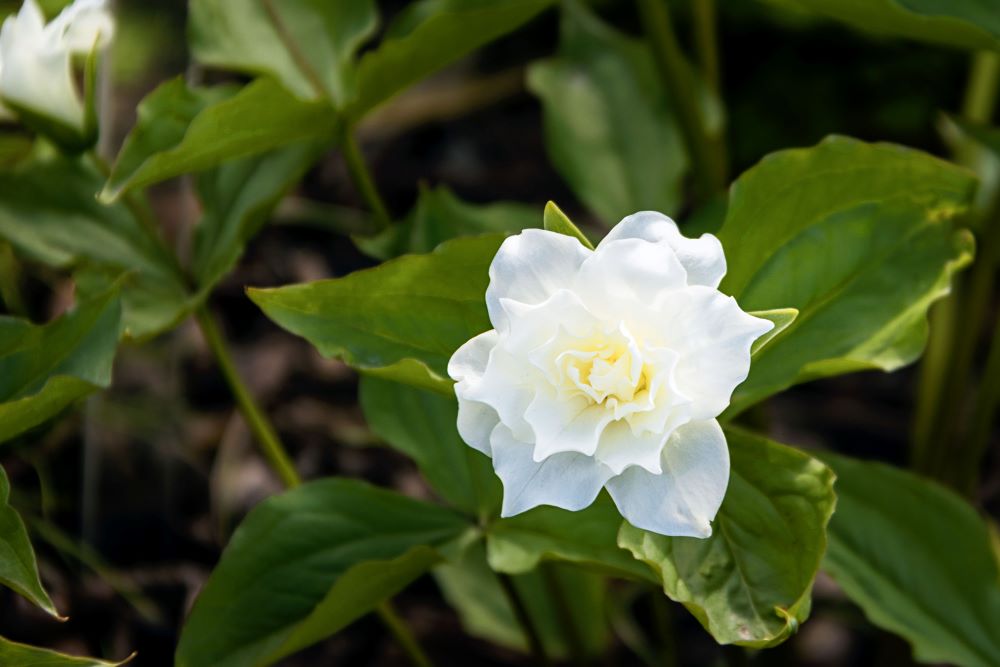
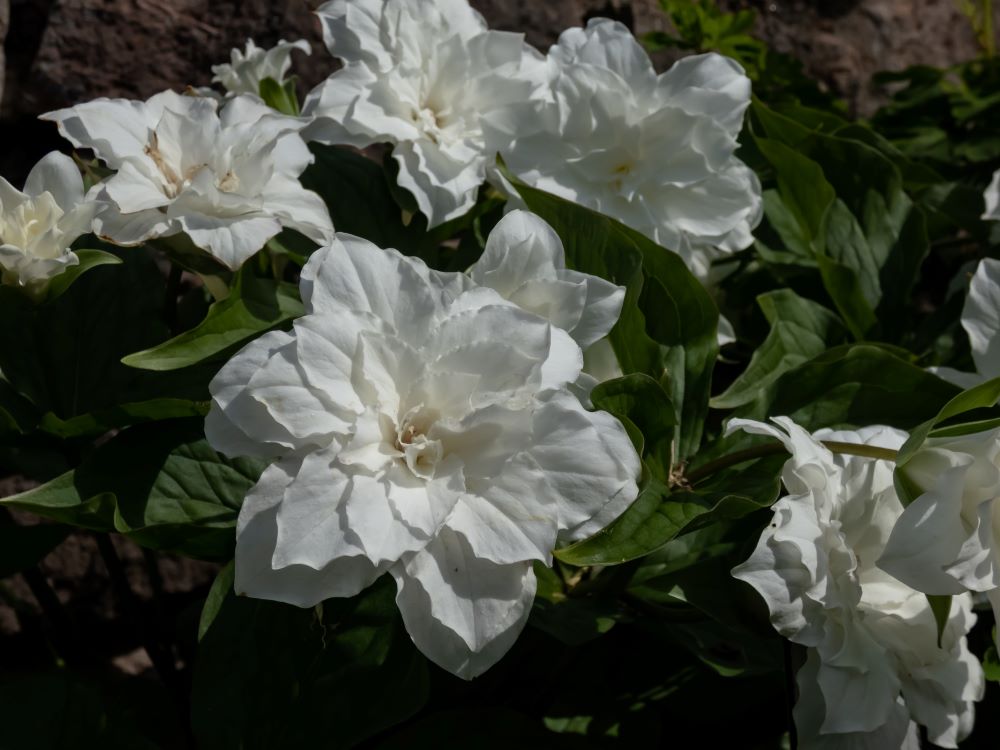
The genus Trillium also shines in woodland gardens. An easy to grow example is Trillium grandiflorum, the American Wake Robin, native to eastern North America. Its triangular foliage and star like three petaled white flowers create an elegant display, especially in double flowering forms like Trillium grandiflorum ‘Multiplex,’ ‘Flore Plena,’ and ‘Snow Bunting.’
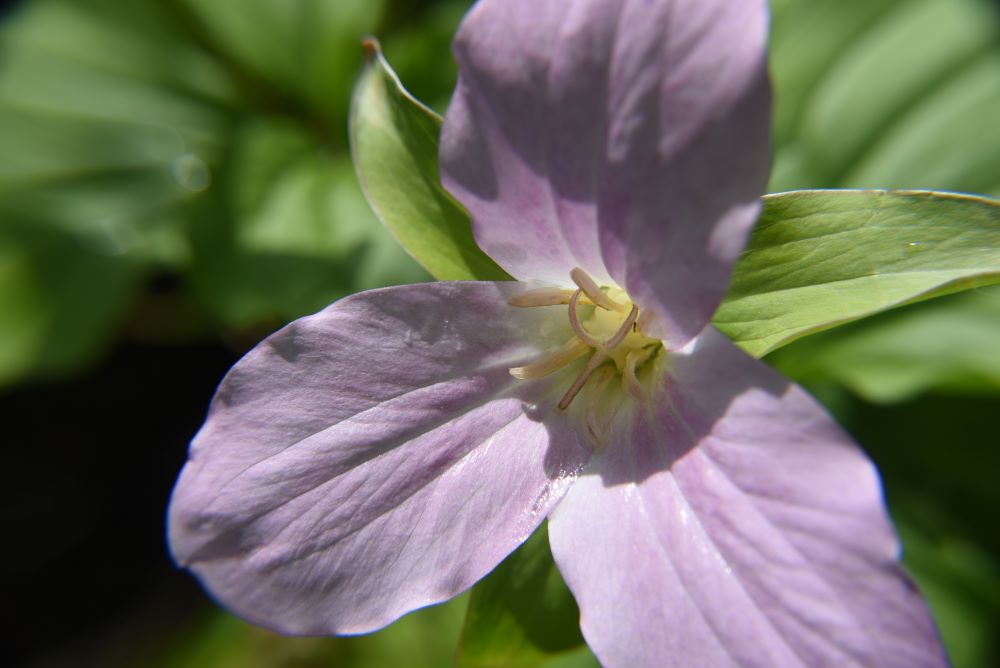
Trillium grandiflorum American wake-robin
Trillium grandiflorum ‘Multiplex’
Trillium grandiflorum ‘Flore Pleno’
Trillium grandiflorum ‘Snow Bunting’
My personal favourite
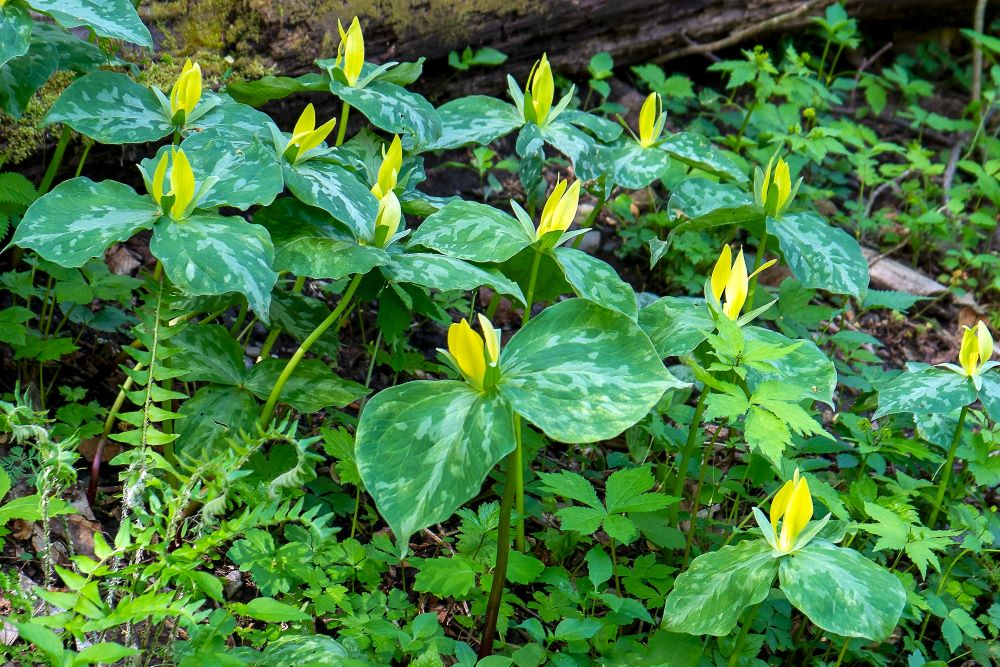
One of the more interesting species is the yellow flowering Trillium luteum Yellow wake robin, a native to the south-eastern states of America principally Tennessee, Carolina, Georgia and Kentucky. It is a very distinct perennial in flower due to the yellow flower colour and mottled foliage which is normally a little taller at 8- 12” (inches) and broader leaves than Trillium gandiflorum.
Trillium luteum the Yellow Wake Robin
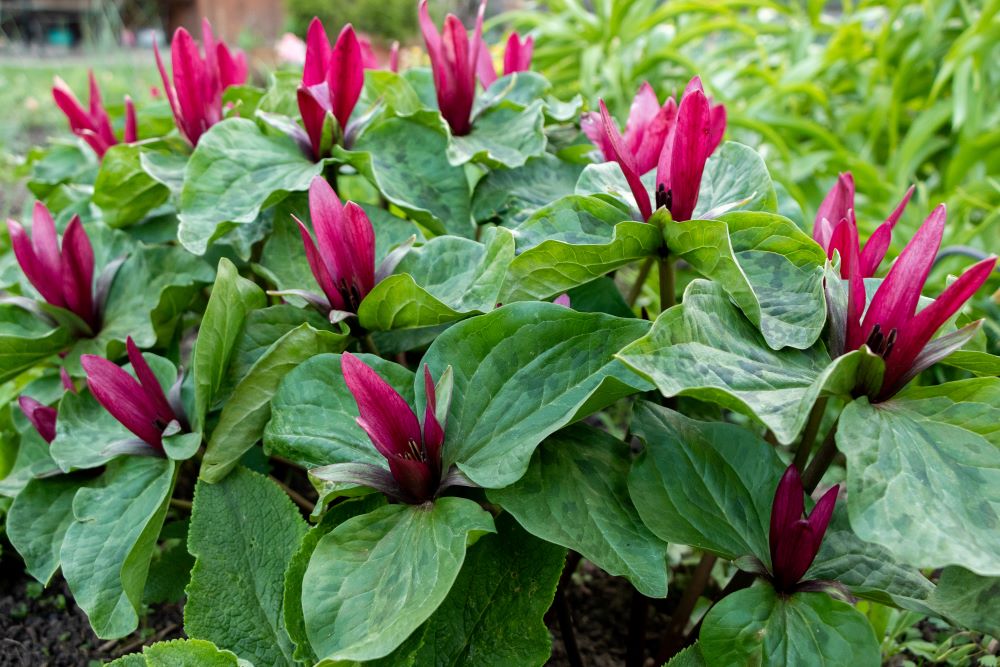
Trillium chloropetalum the Giant Trillium
My favourite is Trillum chloropetalum Giant Trillium endemic to California on the west coast of the USA. A robust clump forming perennial with beautiful rich burgundy flowers that can be seen in the raised Peat Beds. The plant in question is one that started its travels with me back in 2002 from a division from the specimen at Mount Usher Gardens, in Ireland.
The diversity of Primroses at The Savill Garden is unparalleled
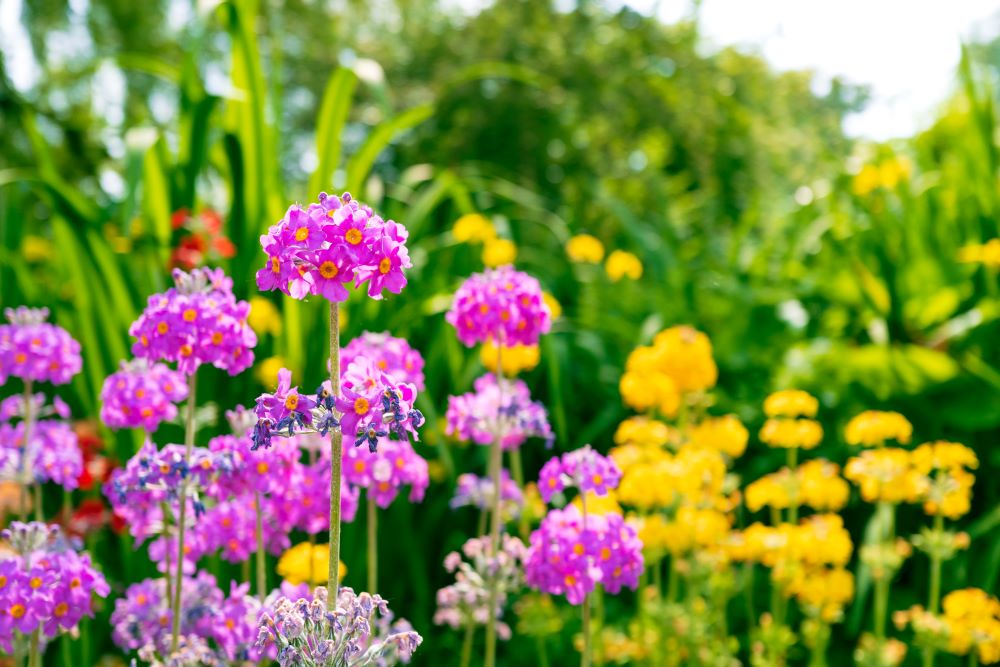
One group of perennials that always capture visitors whilst in the woodland garden are the different range of Primula’s especially the Asiatic Candelabras – there is such a diverse range of Primroses in the collection at The Savill Garden.
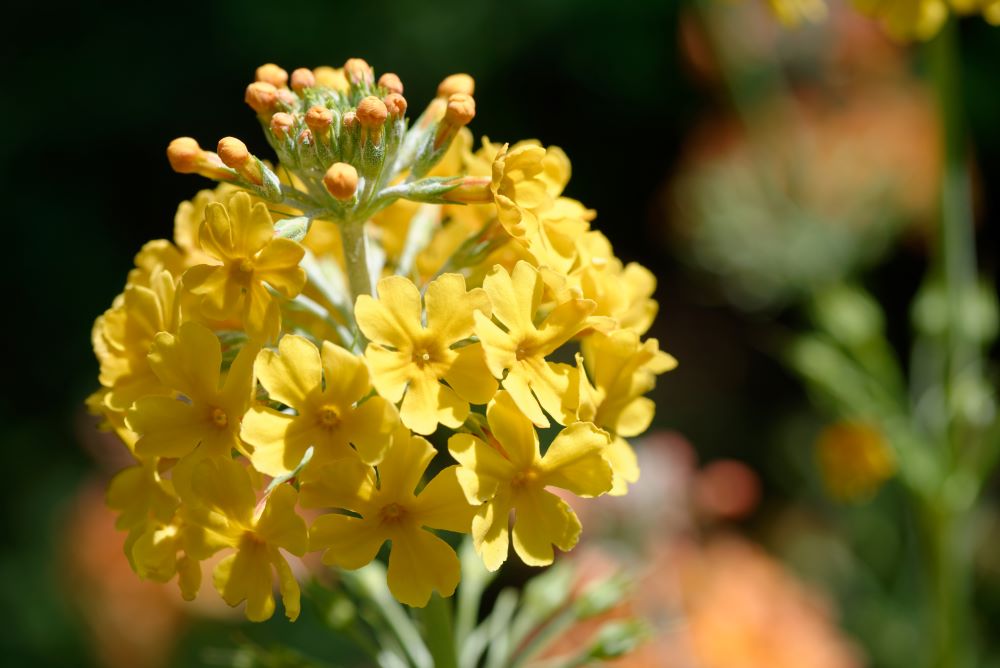
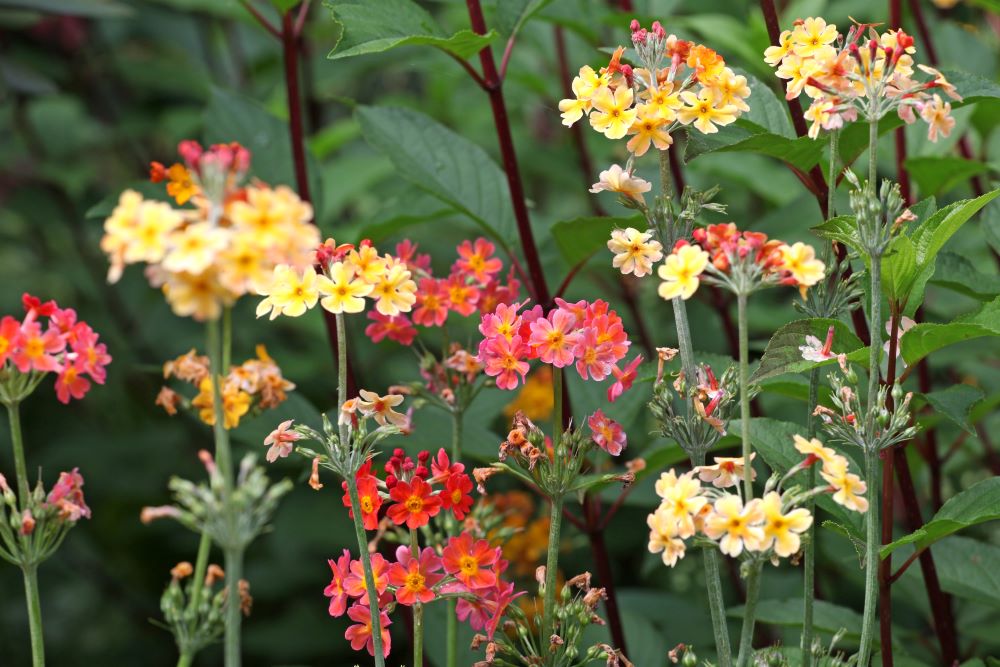
The stars of the summer Asiatic displays at The Savill Garden is Primula aurantiaca, a beautiful species discovered by George Forest in Western Yunnan in 1922. It is also a very recognisable perennial with dark stems, dark orange-red buds and orangey-yellow flowers in great profusion. It is a good clump forming species which flowers over quite a long period during the summer months.
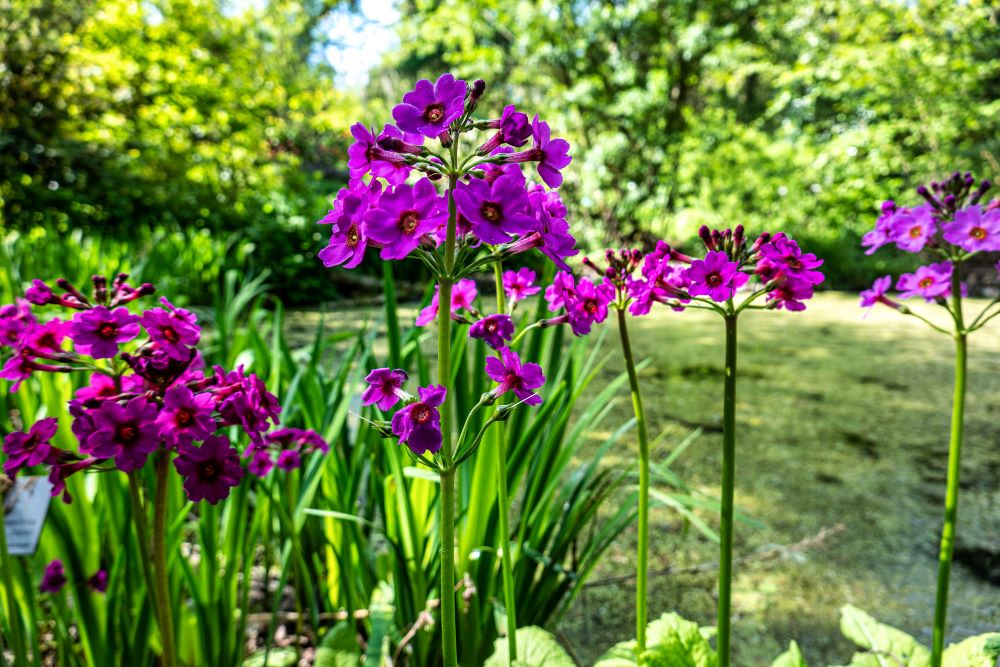
Primula pulverulenta Mealy Primrose is a Chinese species common in our damp woodland gardens often identified by its pale white indumentum on the stems with rich reddish-purple flowers with a dark eye.
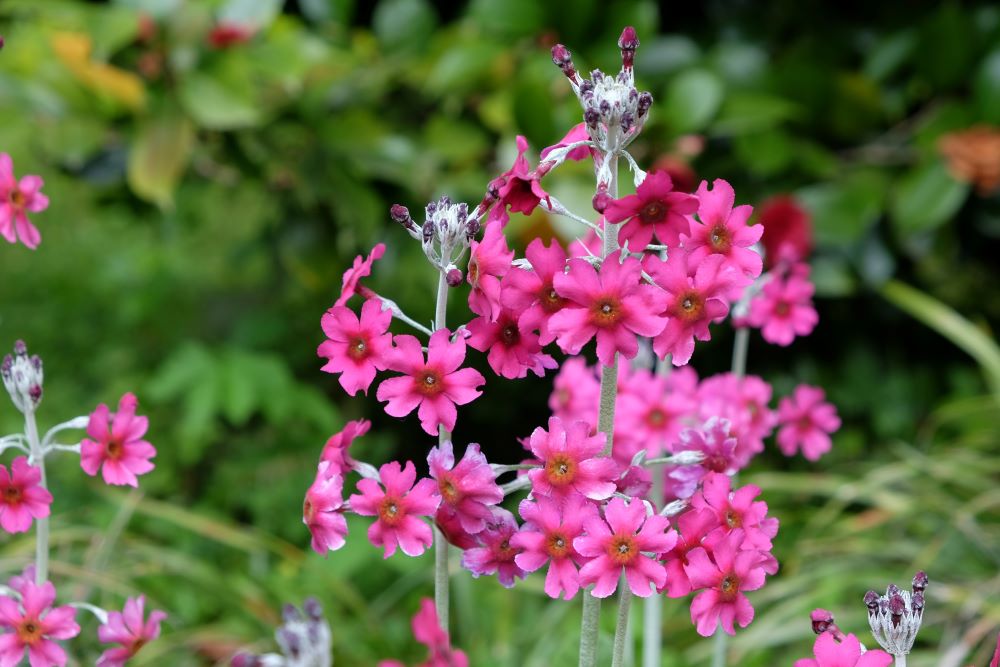
Primula japonica ‘Miller’s Crimson’ is a robust moisture loving perennial which grows in The Savill Garden at the edge of the border leading to the Lawns. The rich crimson flowers have very distinct dark eyes when in flower in spring.
Primula pulverulenta Mealy Primrose
Primula japonica ‘Millers Crimson’
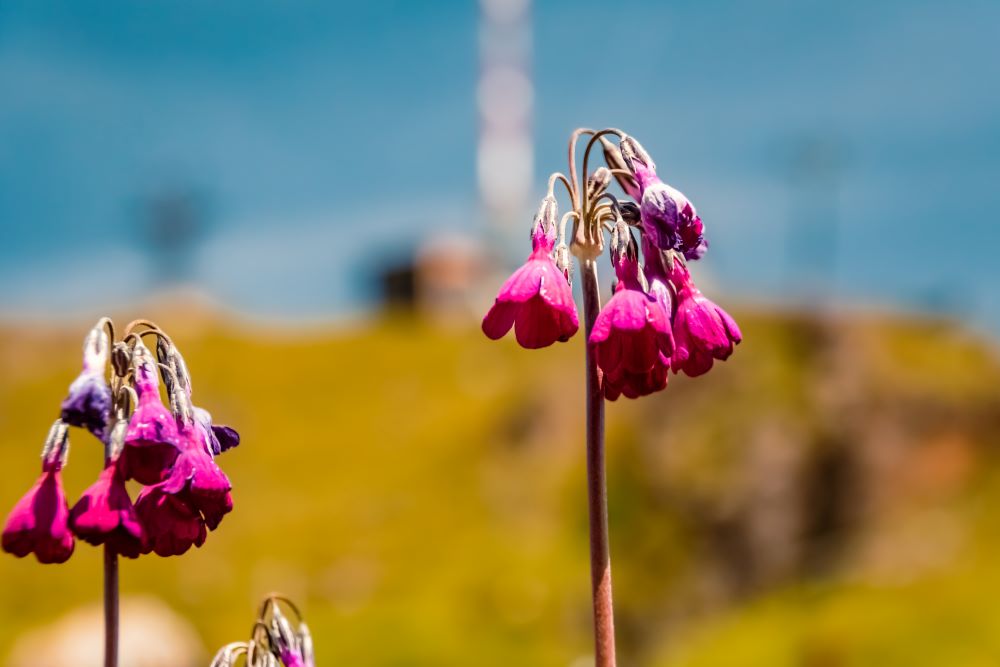
Primula secundiflora is a second flowered primrose with rich magenta-coloured flowers native to western China. I saw this in full flower in moist open meadows above 8,000ft.
Primula bulleyana or Bulley’s Primrose is another stable member of the Asiatic primula group and a good starter plant for bog garden conditions. It is recognised by its yellowish flower heads and white indumentum on the stems. It is perhaps the most reliable and one of the best for bulking up in the garden.
Primula bulleyana Bulley’s Primrose
Divide and split
Remember that Candelabra Primulas will require dividing and splitting from time to time as they can outgrow their space and cause die back. The wetter the conditions the more open sunny conditions are preferrable. The most recognisable part of these primulas is that the flowers are whorls along the stems. They often have rich vibrant colours and generally prefer damp moist growing conditions in dappled shade.