When collecting your pre-booked carer ticket or when purchasing one for the day, you will need to present one of the listed supporting documents for the disabled visitor at The Savill Garden Visitor Centre:
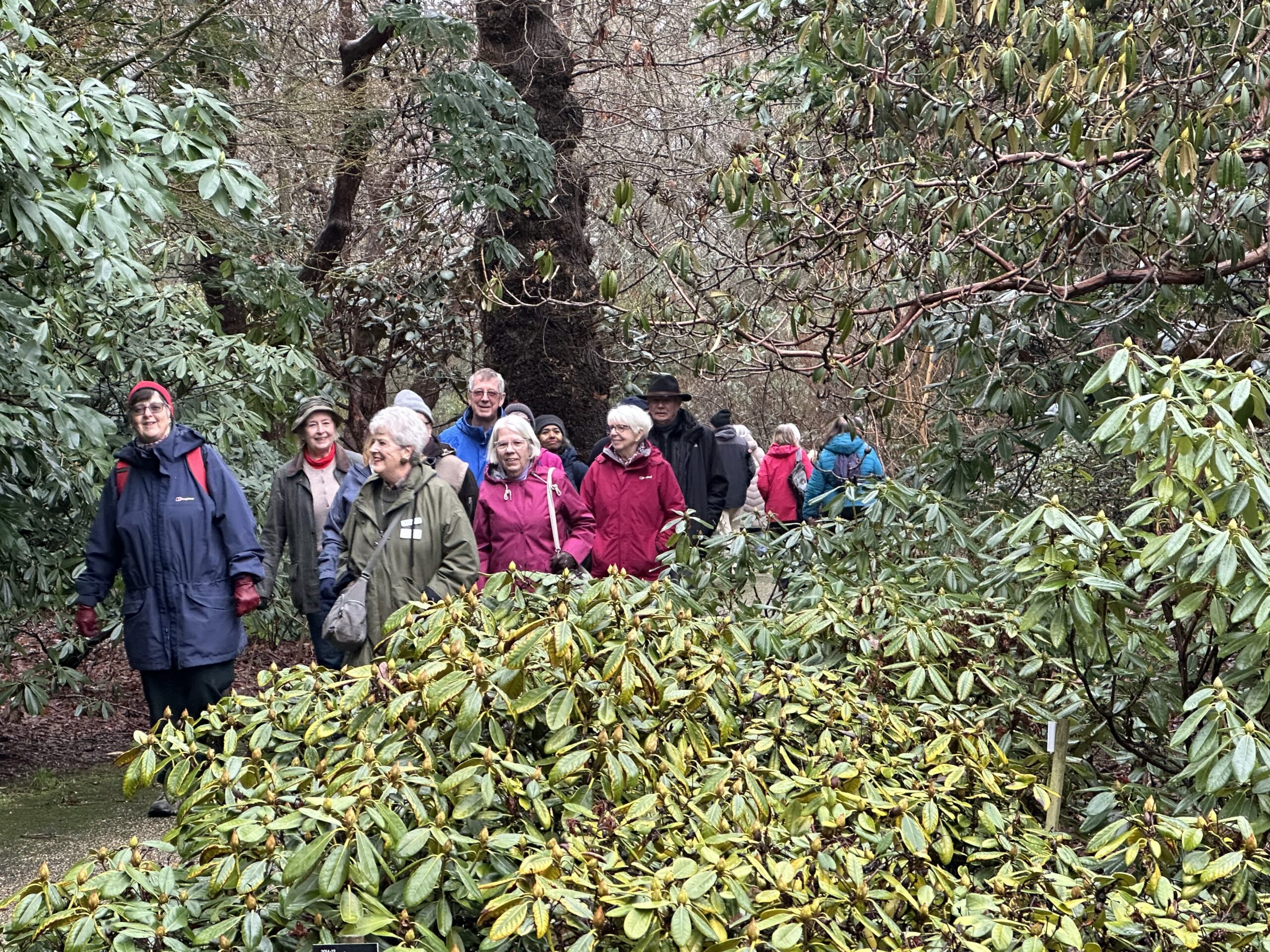
Our first event in 2026 was the annual Winter Welly Walk led by our garden guides. Despite the very wet weather in the morning 38 Friends and guests out of the 52 who had booked together with three guides met to walk in The Savill Garden. The weather was kind to us and by 10:15am the rain had almost stopped. The three groups started at intervals as we arrived, and each guide focused their tour on seasonal plants.
Setting off
Our group set out clockwise towards Casson Bridge where snowdrops were flowering. Here we paused for brief recap for a history of the garden; Eric Savill, employed as a surveyor in the Great Park, originally created a “Bog Garden” here in 1932, which was of considerable interest to King George V and Queen Mary. After a visit in 1934, her Majesty pointed out that “it’s very nice, but rather small”, resulting in an increase in size to 35 acres. King George VI later requested that the garden should be known as the Savill Garden. The bridge itself was designed by Sir Hugh Casson and opened as the “Jubilee Bridge” for Queen Elizabeth’s Silver Jubilee in 1977 and has recently been restored.
View from Casson Bridge
After crossing the bridge and passing the pond, we stopped by a wingnut, Pterocarya macroptera var.delavayi; although this is a recent introduction to Europe, it was discovered by Père Jean Marie Delavay in the 19th century, and named in his honour by Adrien Franchet, the French botanist. Delavay was a contemporary of Père Amand David, both of whom were French missionaries sent to China. He travelled alone in north-west Yunnan for nearly 30 years, amassing a collection of over 200,000 specimens.
Witch Hazel highlights
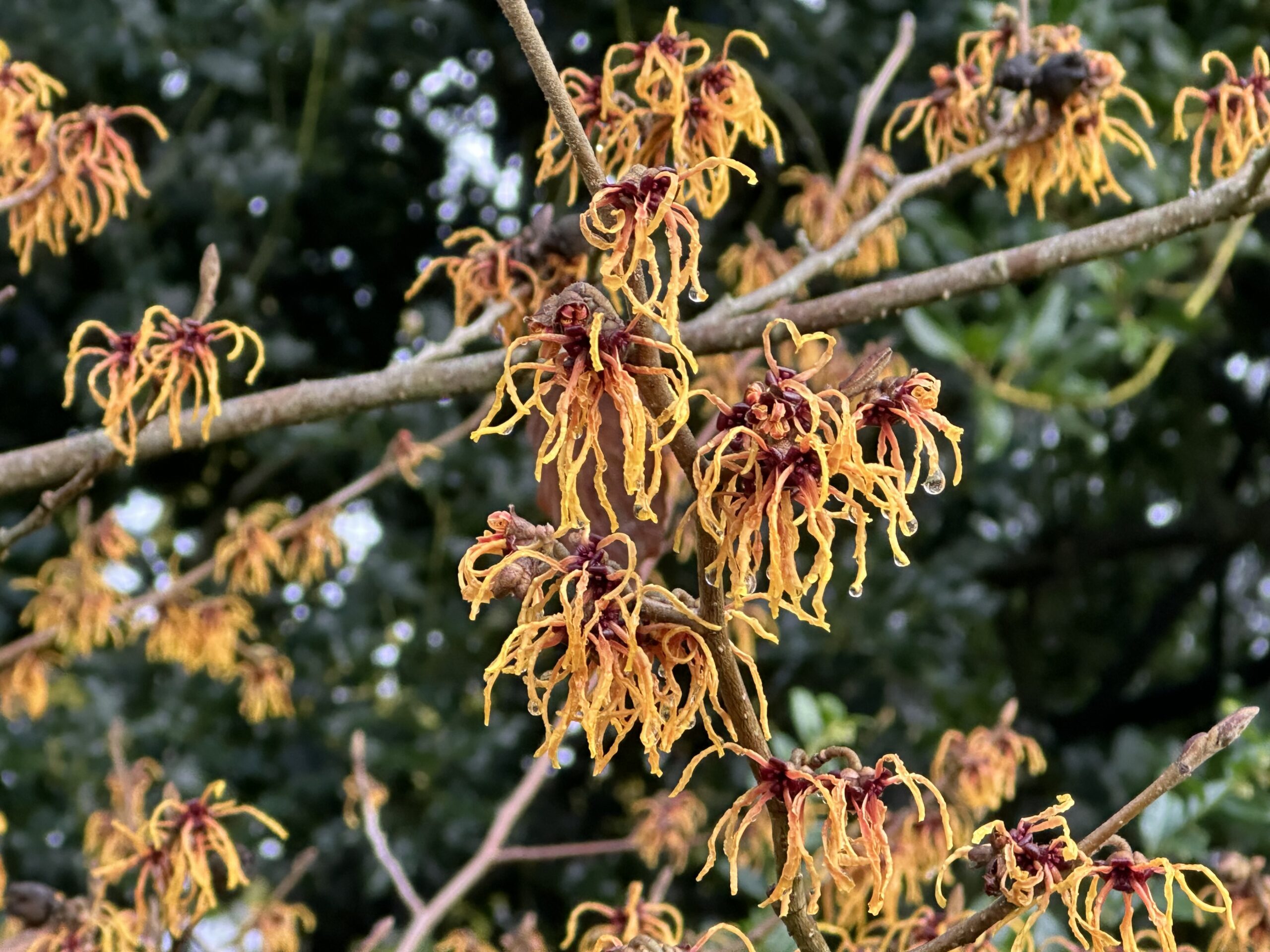
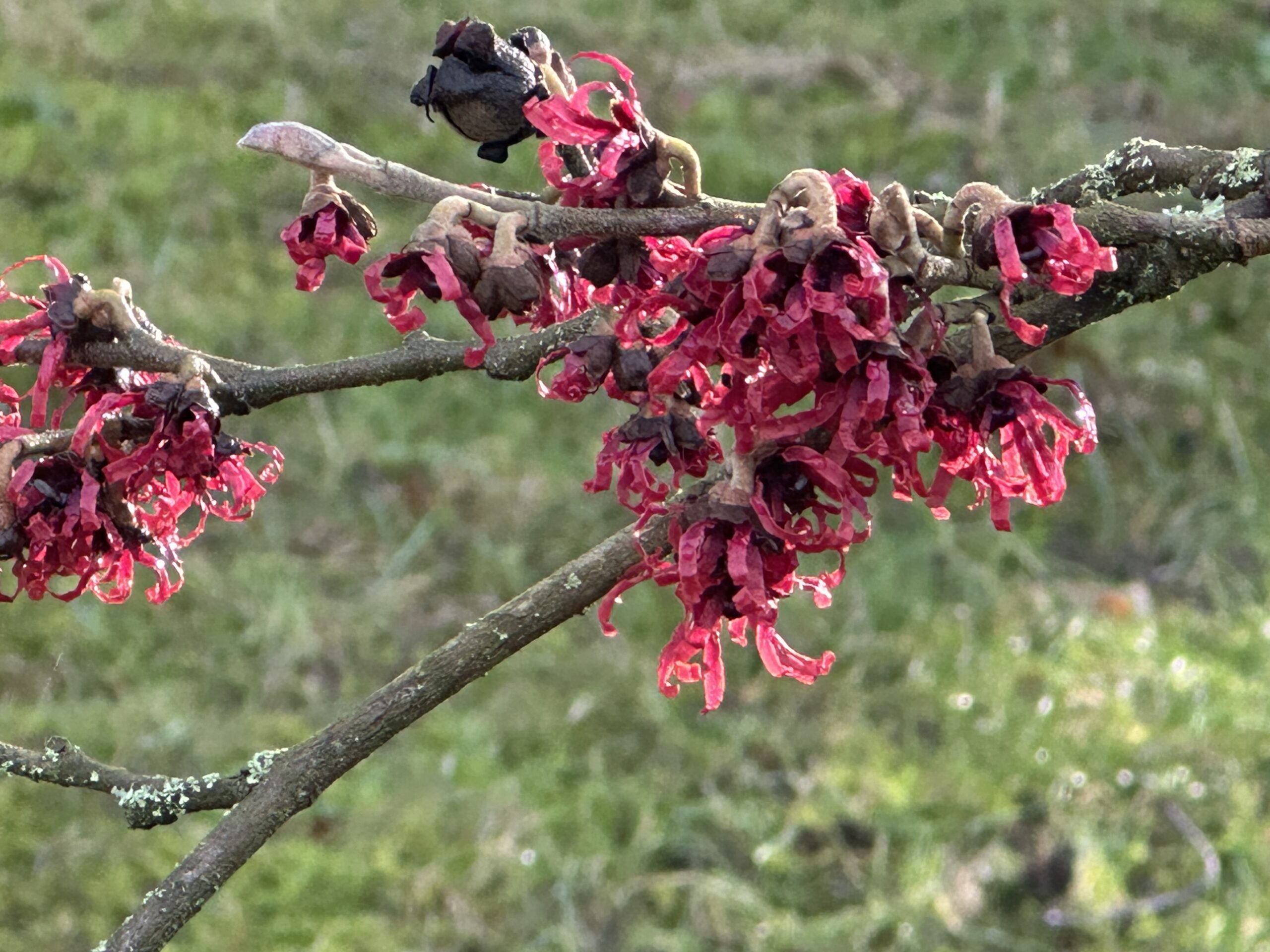
Walking up towards Middle Ride we admired the barks and architectural forms of many of the trees, the emerging snowdrops, and the colourful flowers of the Hamamelis, including Hamamelis x intermedia ‘Korts Yellow’, ‘Orange Peel’ and ‘Bernstein’, and sought out those named after the members of the de Belder family, “Robert”, his wife “Jelena” and their red-headed daughter “Diane”.
Hamamelis x intermedia ‘Bernstein’
Hamamelis x intermedia ‘Diana’
New seasonal additions
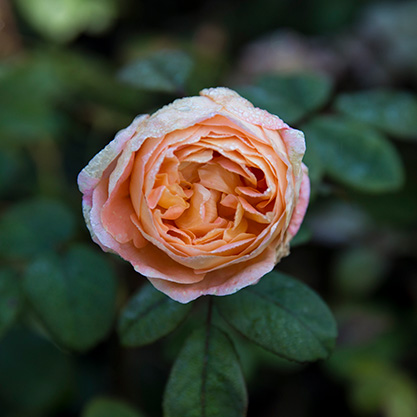
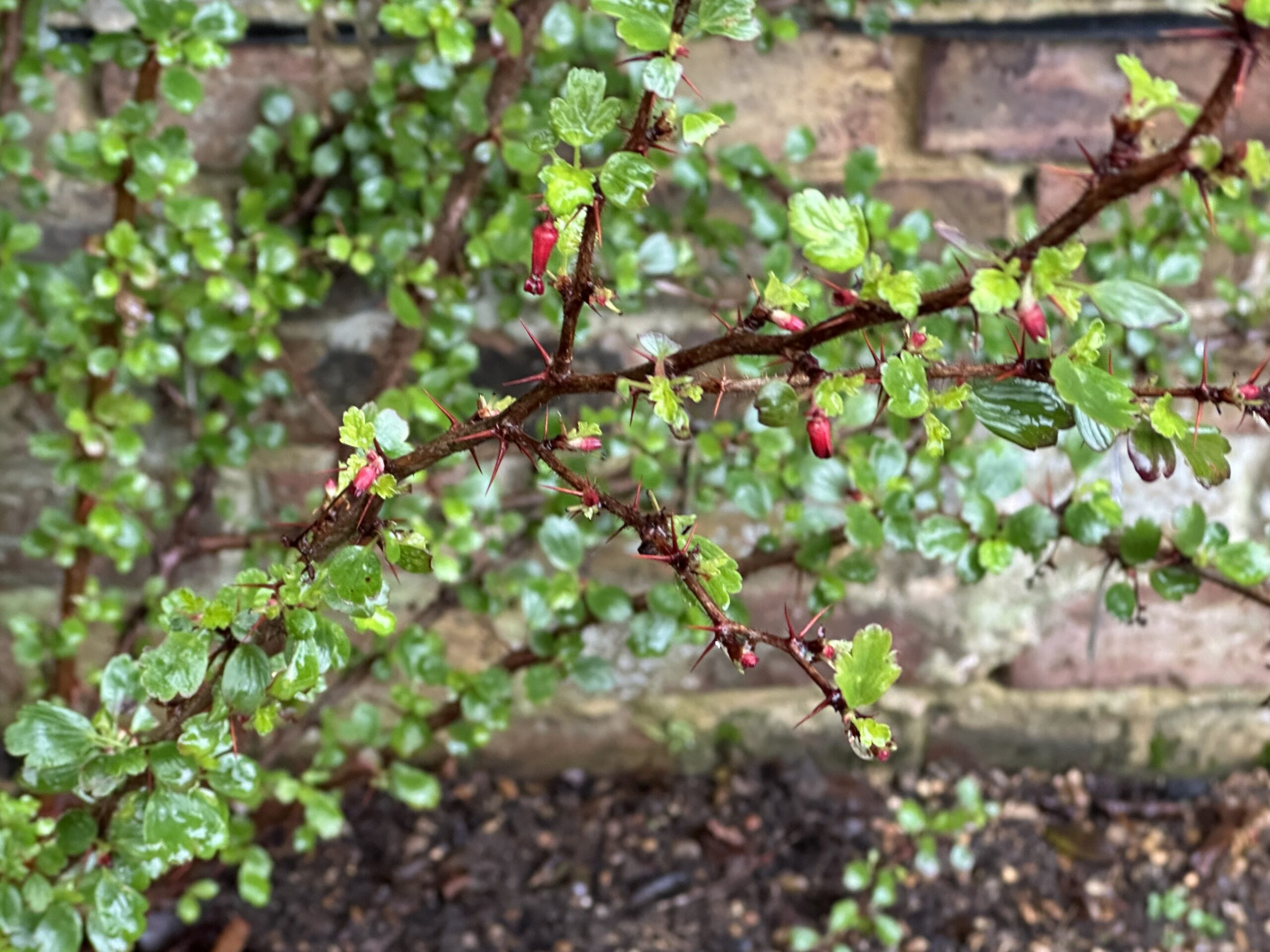
When we reached the wall by the rose garden we looked at some of the recent additions; Edgeworthia chrysantha ‘Red Dragon’, with a strong scent and winter flowers on bare stems – used to make high quality paper in Japan, particularly for bank notes; Ribes speciosum, a gooseberry with fuchsia-like flowers, already in flower; and Fremontodendron ‘Californian Glory’, the Californian flannel bush with attractive bronze stems.
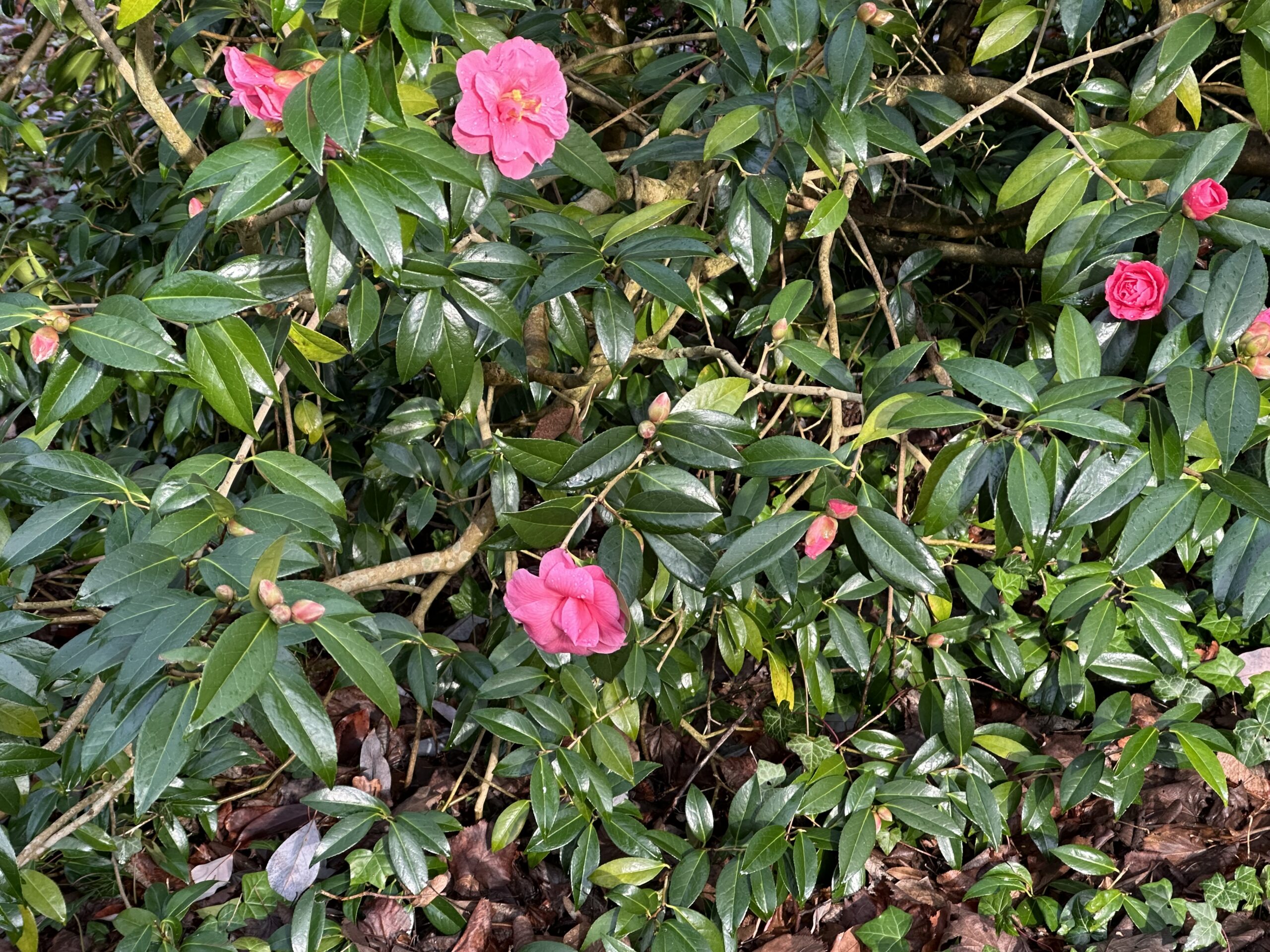
We returned over Chelsea Bridge and along Azalea Walk, spotting another “couple” of plants, the Camellias ‘Leonard Messel’ and his wife ‘Maud Messel,’ who was already in flower.
Ribes speciosum
Camellia (reticulata x williamsii ‘Mary Williams’) ‘Maud Messel’
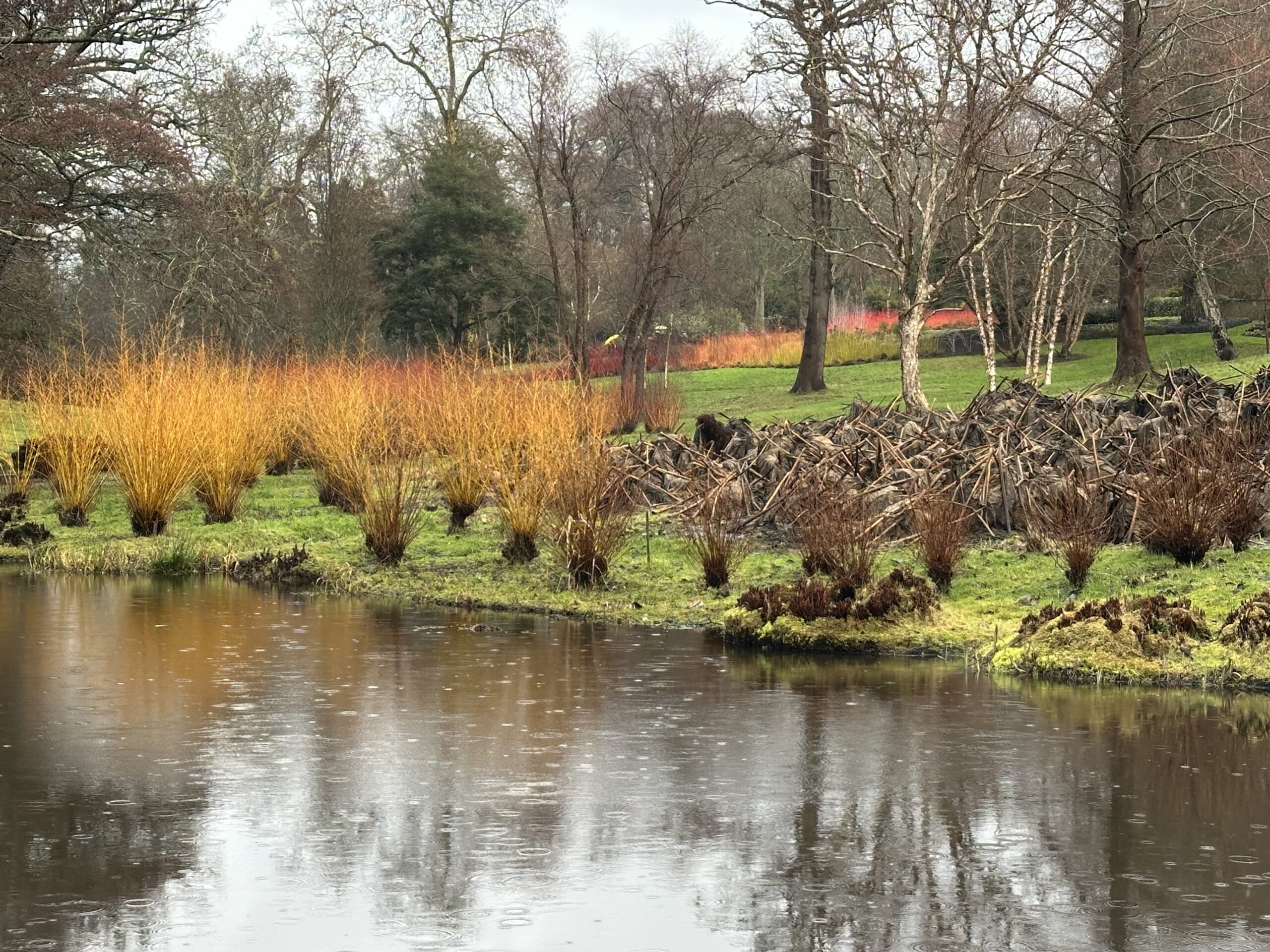
The Winter Garden
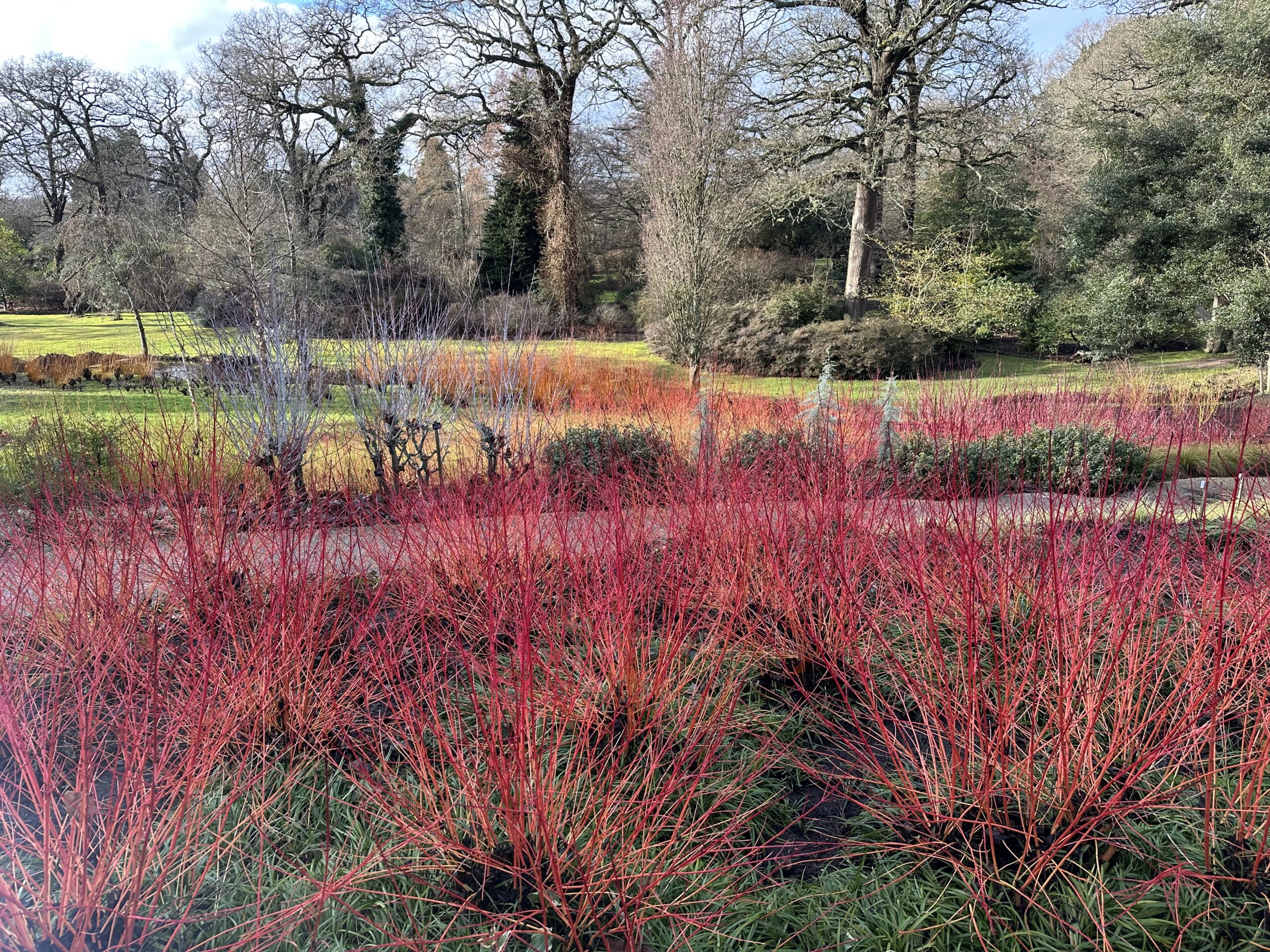
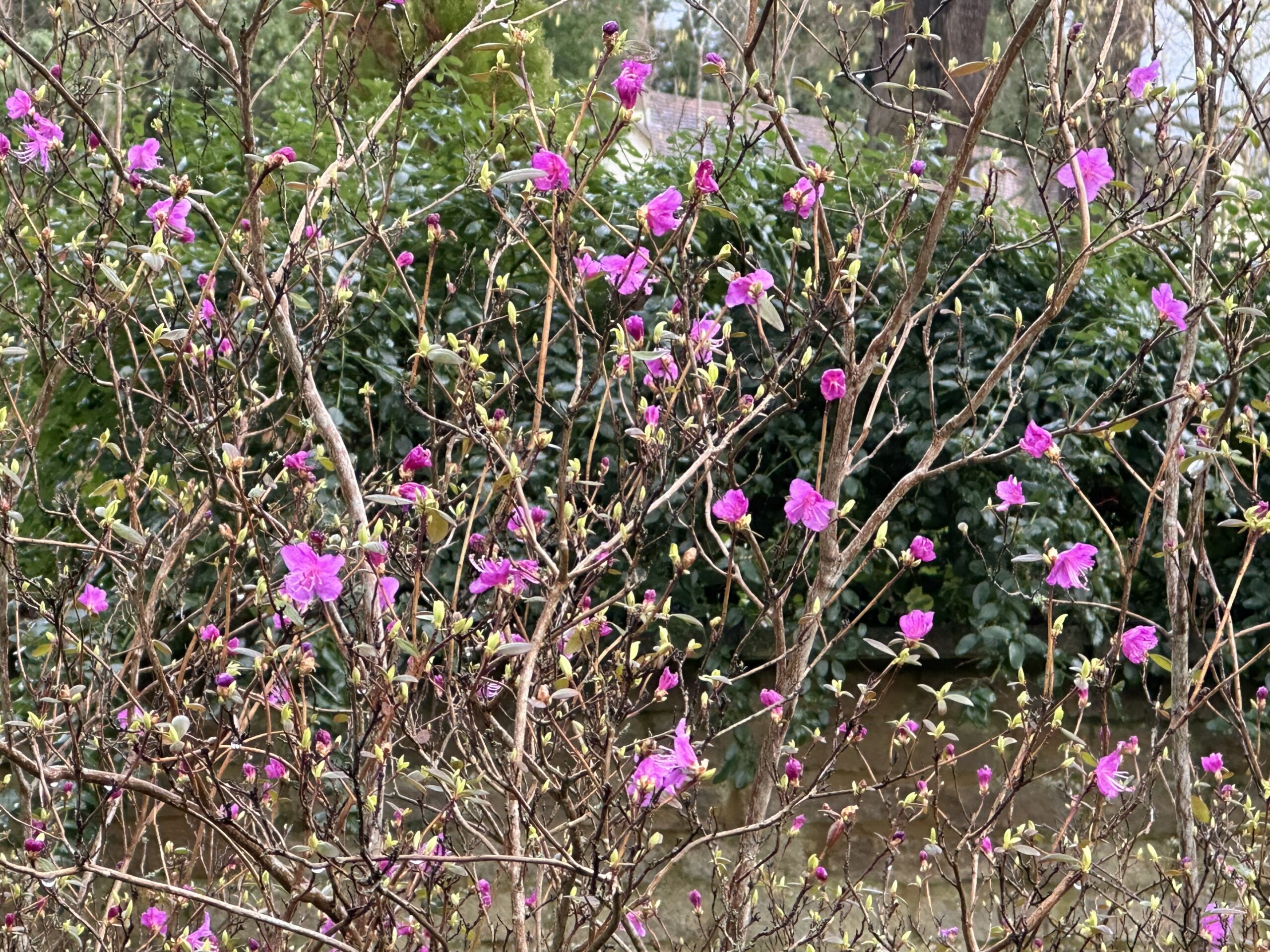
We finally stopped to admire the Winter garden, with the stunning colours of the Cornus, Willows, Acer tegmentosum ‘Valley Phantom’ and the Cupressus arizonica var. glabra ‘Blue Ice’; the scent of the Daphne bholus ‘Jacqueline Postill’ and the Edgeworthia chrysantha ‘Grandiflora’; and the many winter flowers including the Hellebores and the Rhododendron dauricum ‘Midwinter’.
The Winter Garden
Rhododendron dauricum ‘Midwinter’
This report only covers selected highlights from one of the tours, the others were equally informative. All walks were appreciated by the Friends, and everyone enjoyed the morning. A big thank you to Sian, Liz, and Brenda for guiding us.