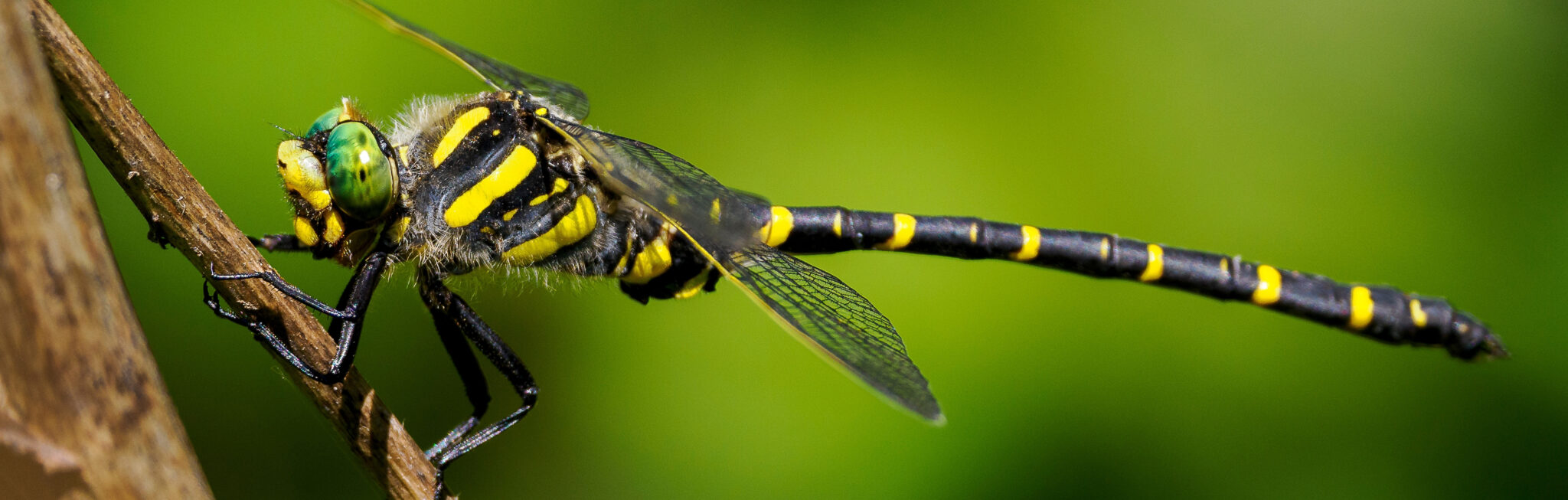
Golden-ringed Dragonfly.

Dragonflies

The Windsor Estate is home to around 26 species of dragonfly, some of which can be very abundant. Wetland habitats at Swinley Forest and Crowthorne Woods are of national importance for the diversity of dragonflies, including nationally rare species. Our conservation work includes measures to restore and create wetland habitats for wildlife.
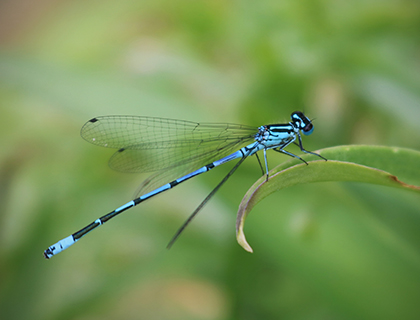
Blue-tailed Damselfly

The Blue-tailed Damselfly is a nationally uncommon species found at Buttersteep ponds within Windsor Estate. It thrives in wetland habitats and contributes to the Estate’s impressive tally of 27 dragonfly and damselfly species.

Find out more
Blue-tailed Damselfly on a leaf.
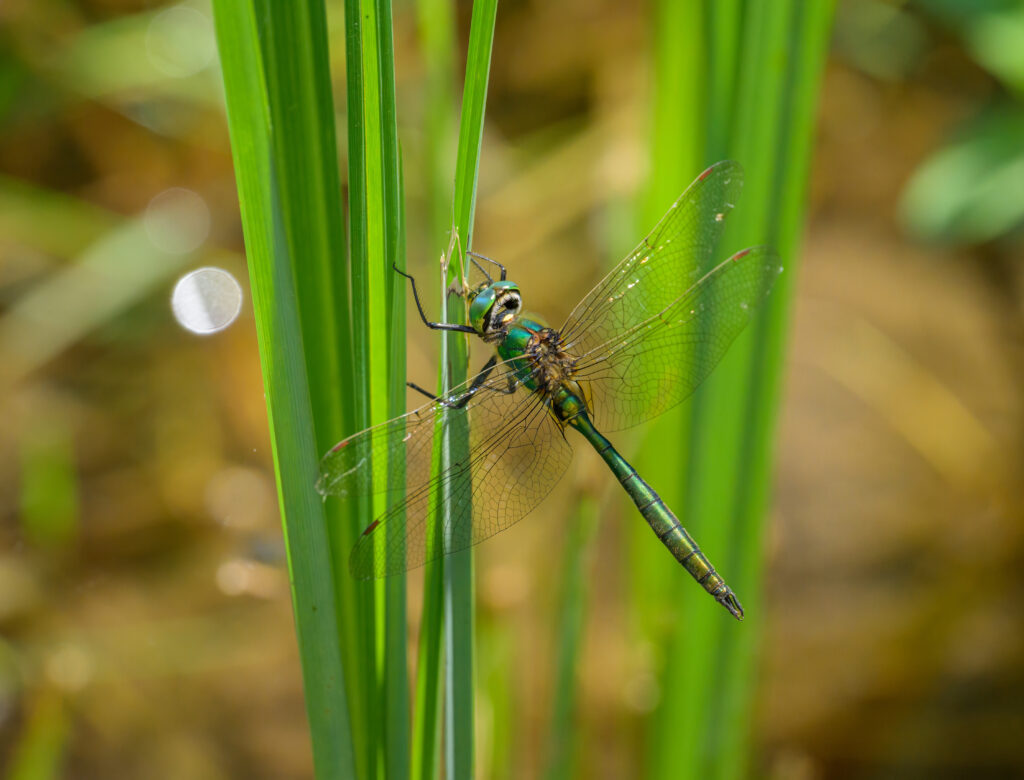
Brilliant Emerald

The Brilliant Emerald dragonfly is a striking metallic-green species found in woodland ponds within Swinley and Buttersteep Forests. Known for its vivid emerald sheen and agile flight, it is a summer flier in the UK. As a nationally scarce species, it is one of our conservation priorities and is protected under ongoing efforts.

Find out more
Brilliant Emerald Dragonfly.
Broad-bodied Chaser

The Broad-bodied Chaser is a striking dragonfly with a broad blue abdomen in males and yellow-brown in females. On the Windsor Estate, it thrives around ponds and wetlands such as Virginia Water and Englemere Pond, favouring sunny margins with emergent vegetation for perching and breeding.

Find out more
A female Broad-bodied Chaser Dragonfly with wide-open wings and its striking yellow body.
Common Darter

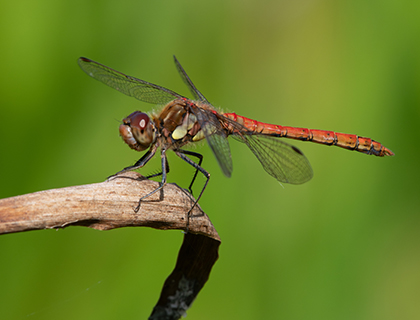
The Common Darter is a widespread dragonfly, often seen from summer into autumn. It breeds in ponds, lakes, and ditches, and is regularly recorded at Windsor Estate sites such as Englemere Pond, Swinley Brick Pits, and Buttersteep Forest—areas managed to maintain wetland habitats for diverse dragonfly species.

Find out more
Common Darter Dragonfly.
Emperor Dragonfly

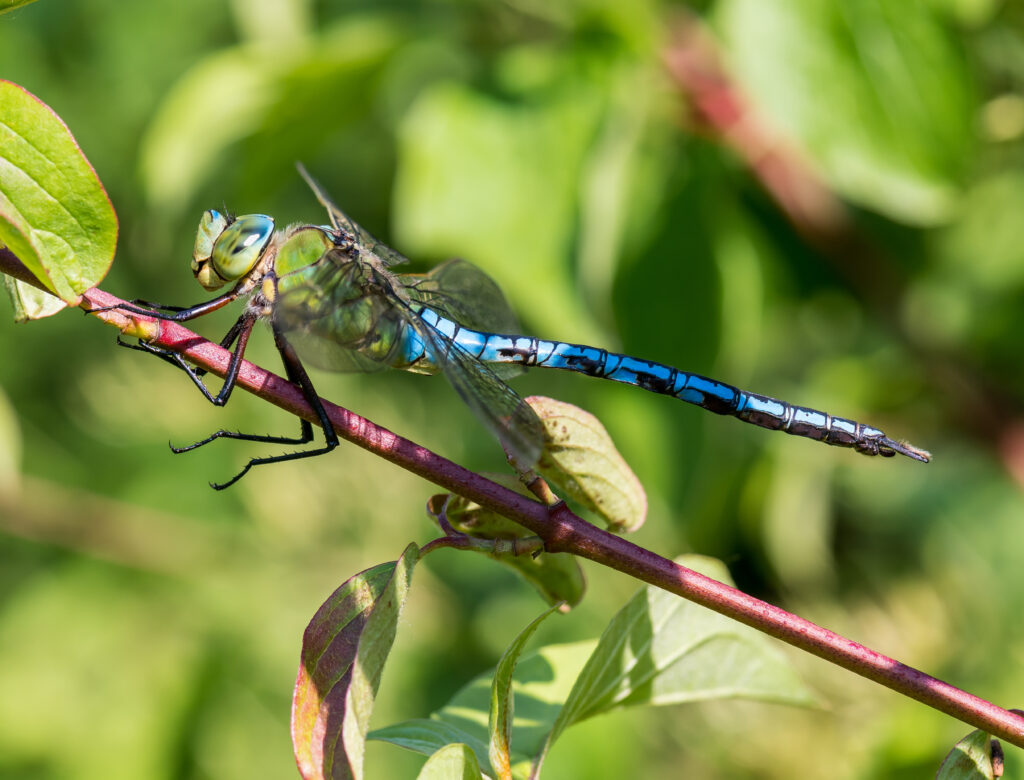
The Emperor Dragonfly is one of the largest and most striking dragonflies in Europe. With a vibrant blue abdomen and powerful flight, it patrols ponds and lakes in summer. Look out for it at most of the ponds and lakes on the Estate, such as the Prince of Wales pond in the Deer Park.

Find out more
Emperor Dragonfly.
Golden-ringed Dragonfly

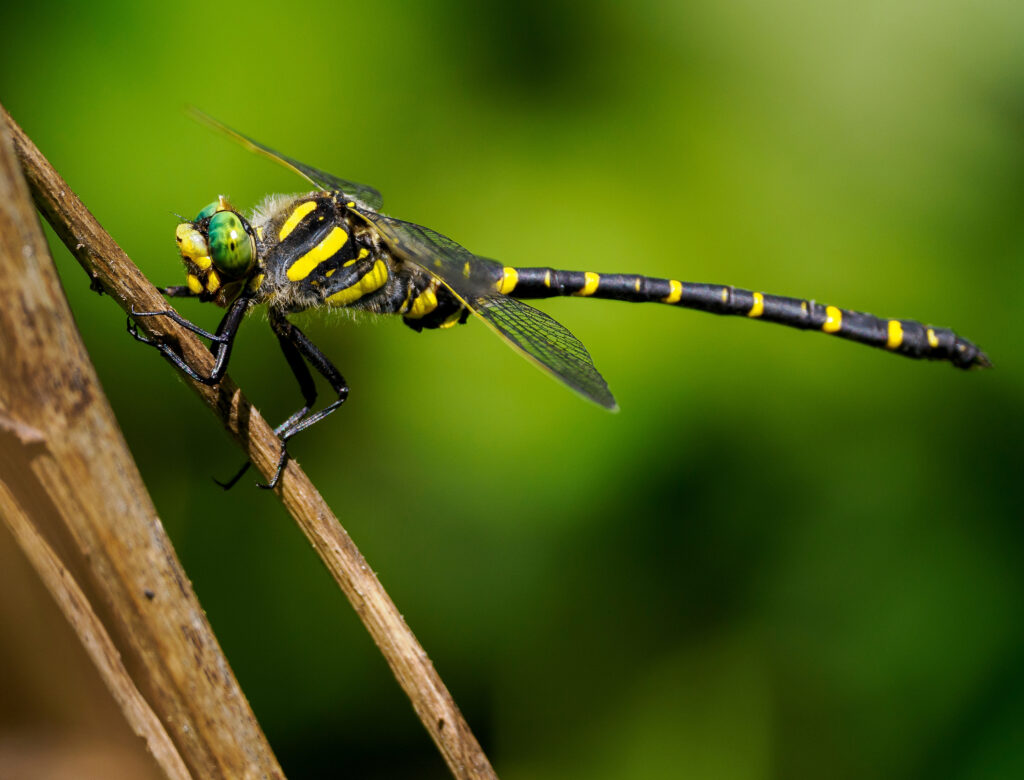
The Golden-ringed Dragonfly is our longest dragonfly, with vivid black and yellow stripes. It thrives in clean water streams and ditches, such as those found at Swinley, Crowthorne and Buttersteep Forests where it can be seen hunting insects along the forest verges in mid-summer.

Find out more
Golden-ringed Dragonfly.
Small Red Damselfly

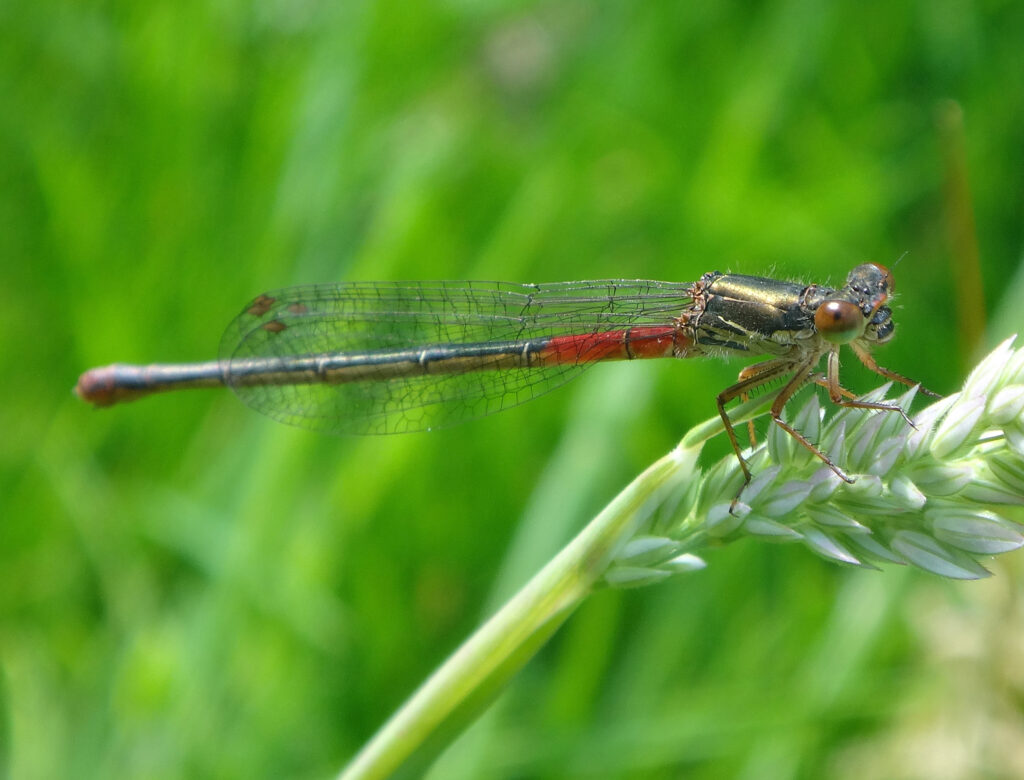
The Small Red Damselfly is a delicate, slender insect found in acidic wetlands across the forestry areas of the Estate. Our conservation work has provided many new habitats for them, and has increased the local populations of this nationally scarce species. Look out for them at shallow pools and ditches in Swinley Forest.

Find out more
Small Red Damselfly.
Southern Hawker Dragonfly

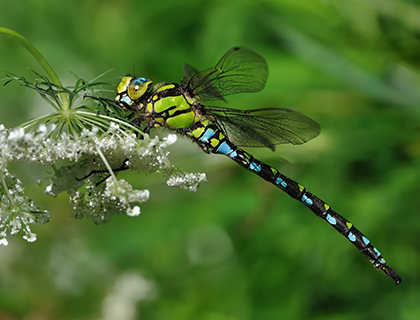
The Southern Hawker is a large, inquisitive dragonfly recorded across Windsor Estate’s ponds, lakes, and woodland margins. It breeds in still waters with rich vegetation and is frequently seen patrolling wetland habitats during summer and early autumn.

Find out more
Southern Hawker Dragonfly on a white flower.
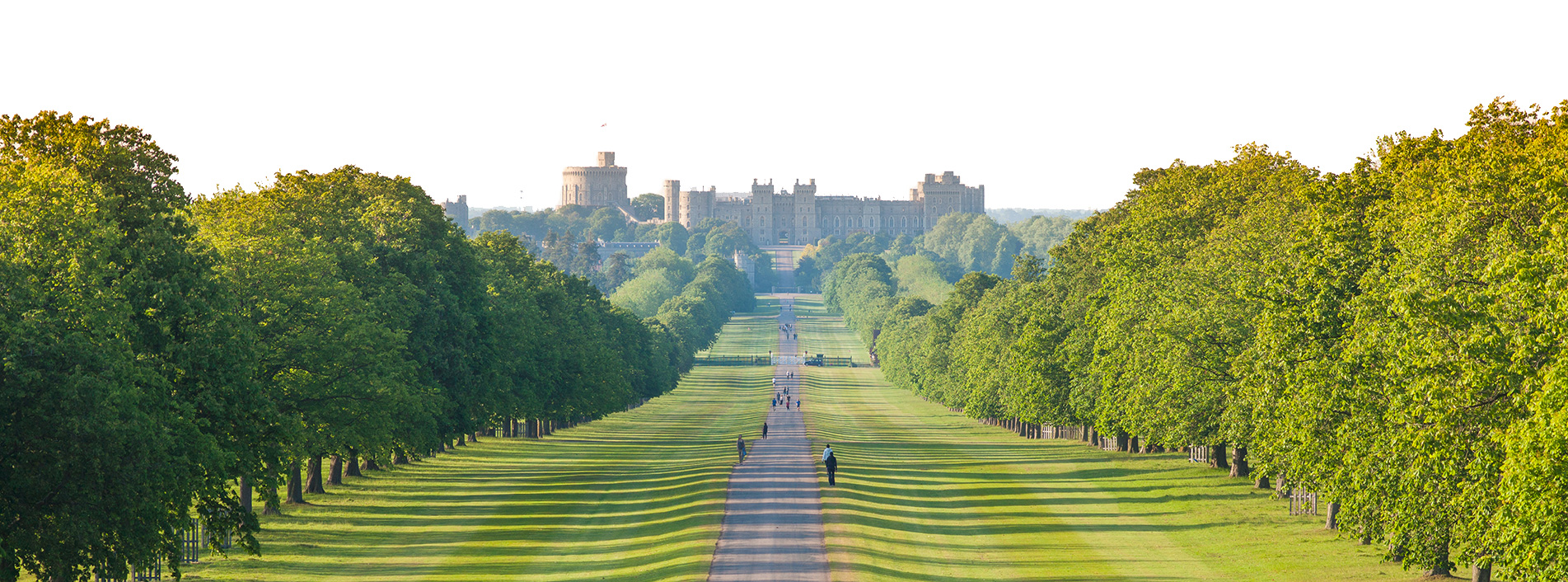
Windsor Great Park
Windsor Great Park

More from us

News & Articles

FAQs

Careers

Get in touch

Contact us

Newsletter

Sign up to our newsletter

The Crown Estate logo.

User support

Accessibility

Site map

Our policies

Terms of use

Privacy statement

Cookies statement

Modern slavery act

Freedom of information

Designed by Bewonder*