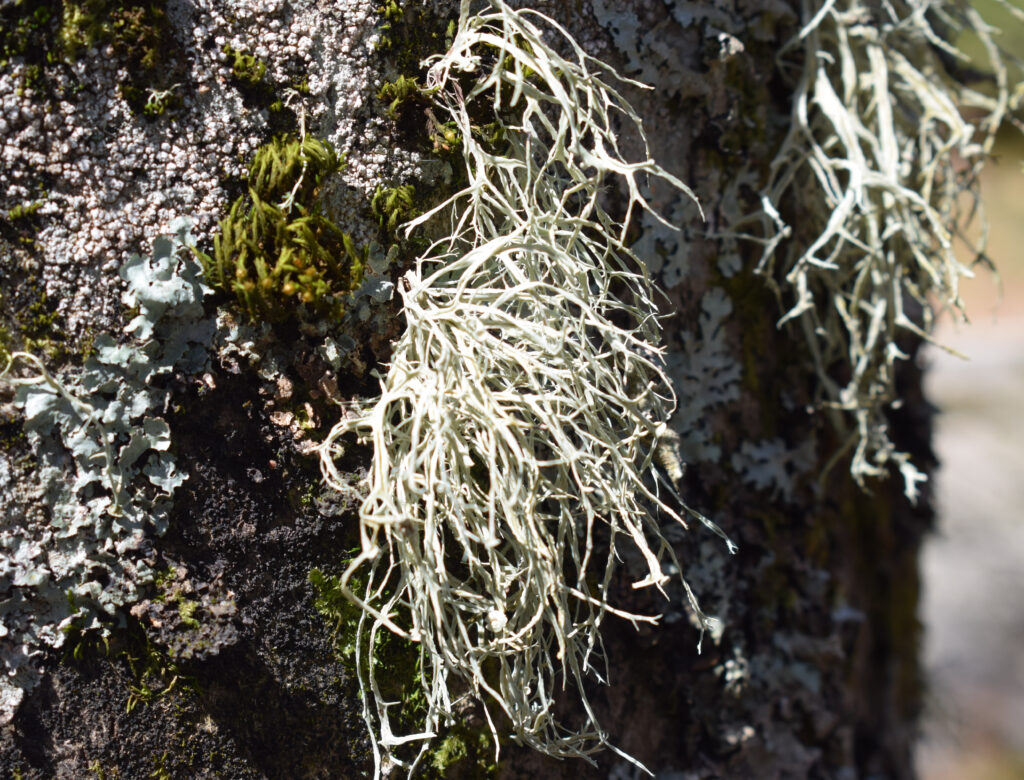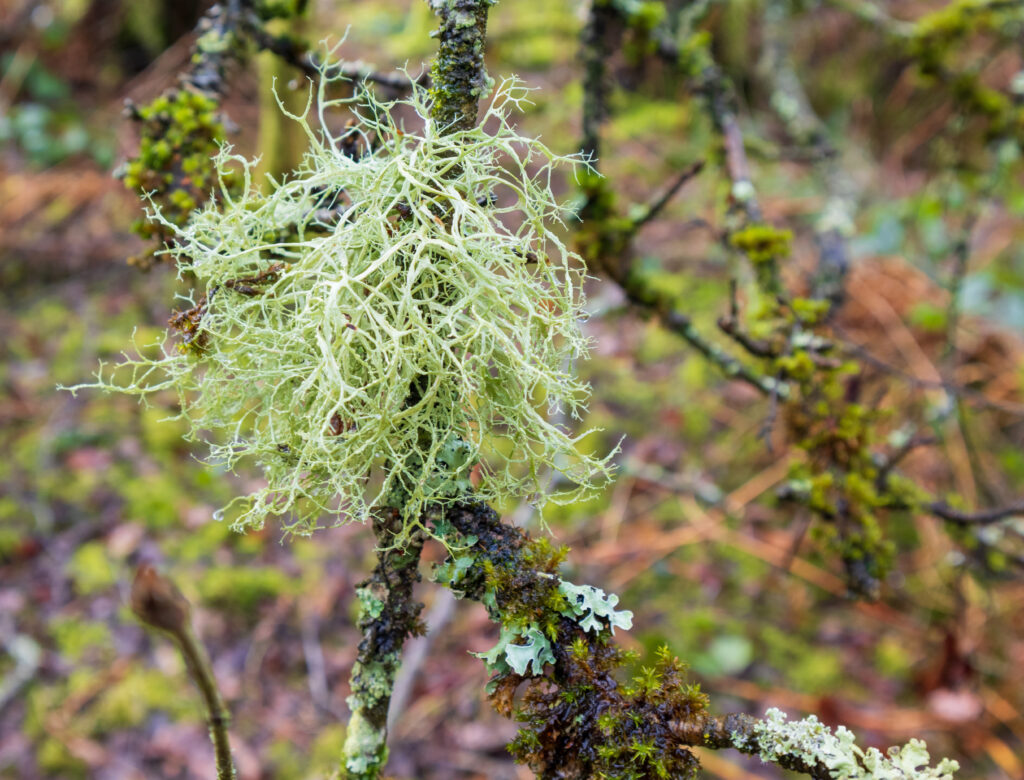
Beard Lichen.

Lichens

Lichens in the UK are diverse and ecologically important, thriving in woodlands, heathlands, and coastal areas. They indicate air quality, support biodiversity, and contribute to nutrient cycles. Some rare species are protected, especially in ancient forests and on veteran trees. Conservation work on the Windsor Estate helps preserve these unique symbiotic organisms.
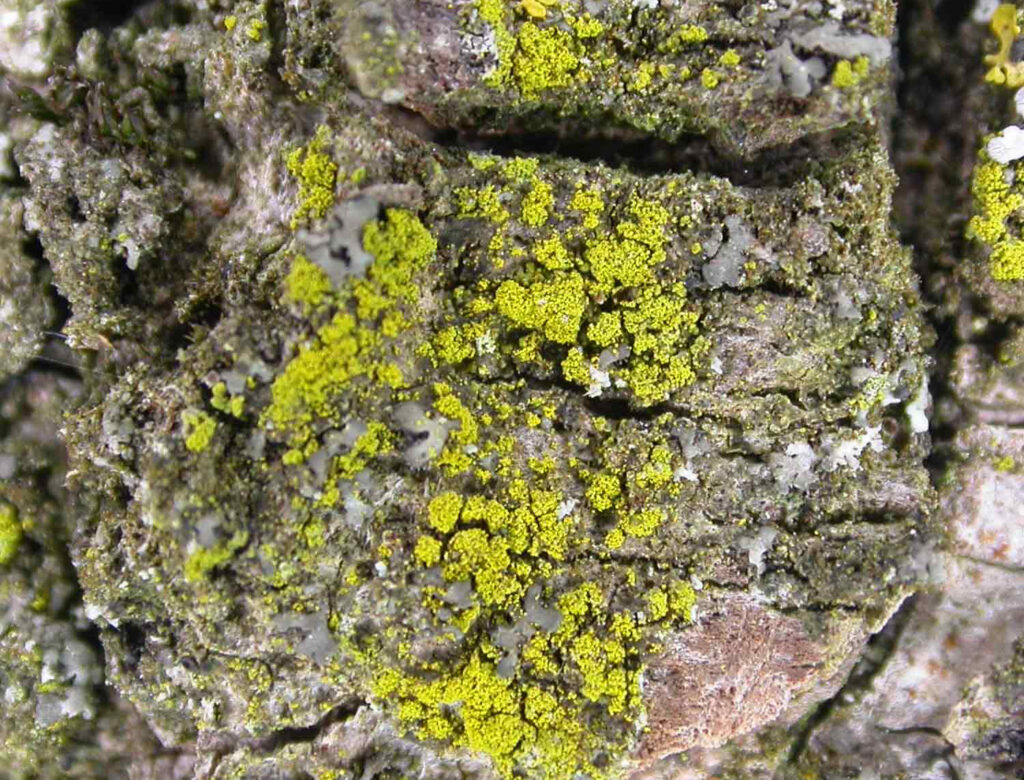
Candelariella reflexa

This lichen is made up of bright yellow to yellow-green granules and can appear fluffy. It’s common on the bark of many trees, especially at the lower end of the trunk where dogs have urinated. Photo credit: Mark Powell

Find out more
Candelariella reflexa lichen. Credit: Mark Powell.
Hypogymnia physodes

Also known as monk’s hood lichen, this species appears as a grey-green cluster of swollen lobes. If the underside is visible, you’ll typically see a brown tint along the edges. Like many lichens, it is highly sensitive to nitrogen pollution. It is commonly found on trees with acidic bark and is widespread across suitable habitats.

Find out more
Hypogymnia physodes lichen.
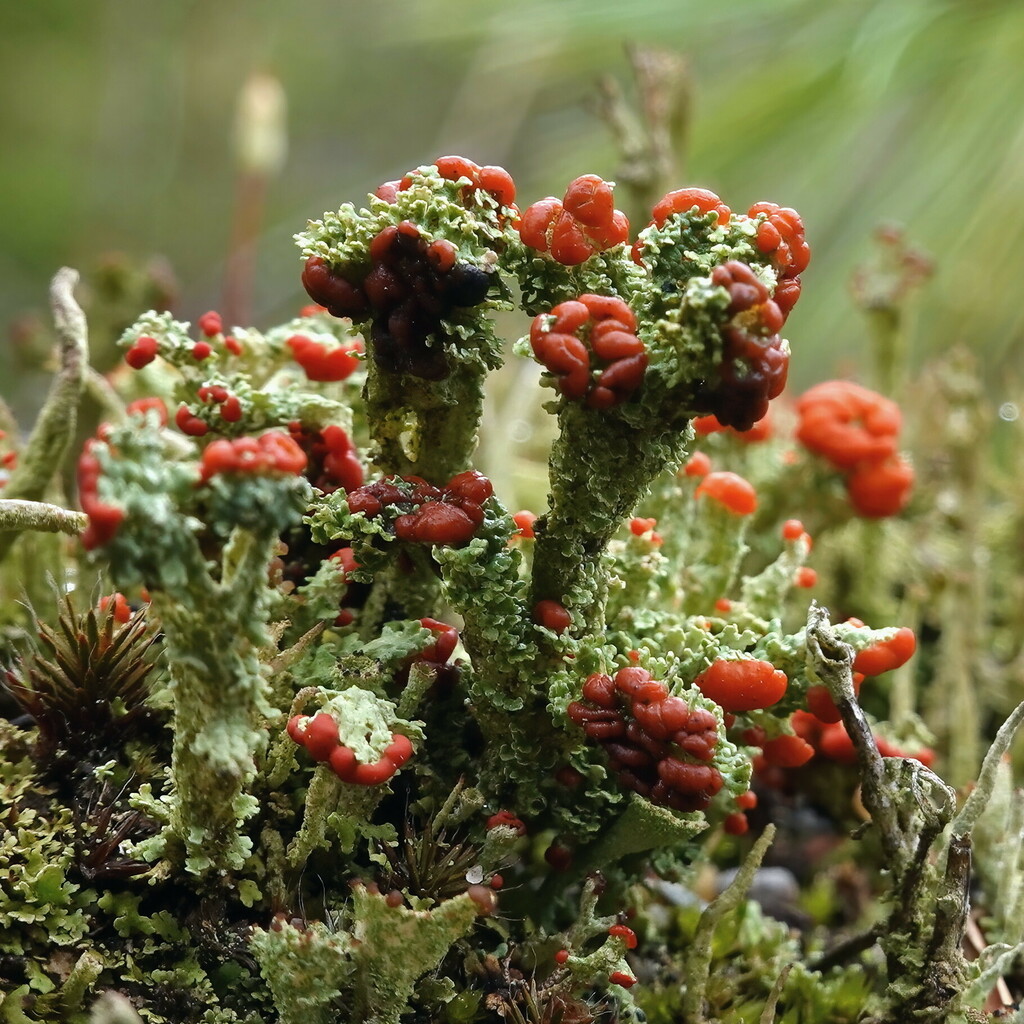
Madame’s Pixie Cup

Madame’s Cup Lichen typically grows on acidic, nutrient-poor soils, often in peaty heathlands, moorlands, and sandy areas. It thrives in open, well-lit environments with minimal disturbance and is commonly found on decaying wood, mossy ground, and exposed soil. These conditions are typical of upland and boreal ecosystems.

Find out more
Madame's Cup Lichen - Copyright Hans Ritter.
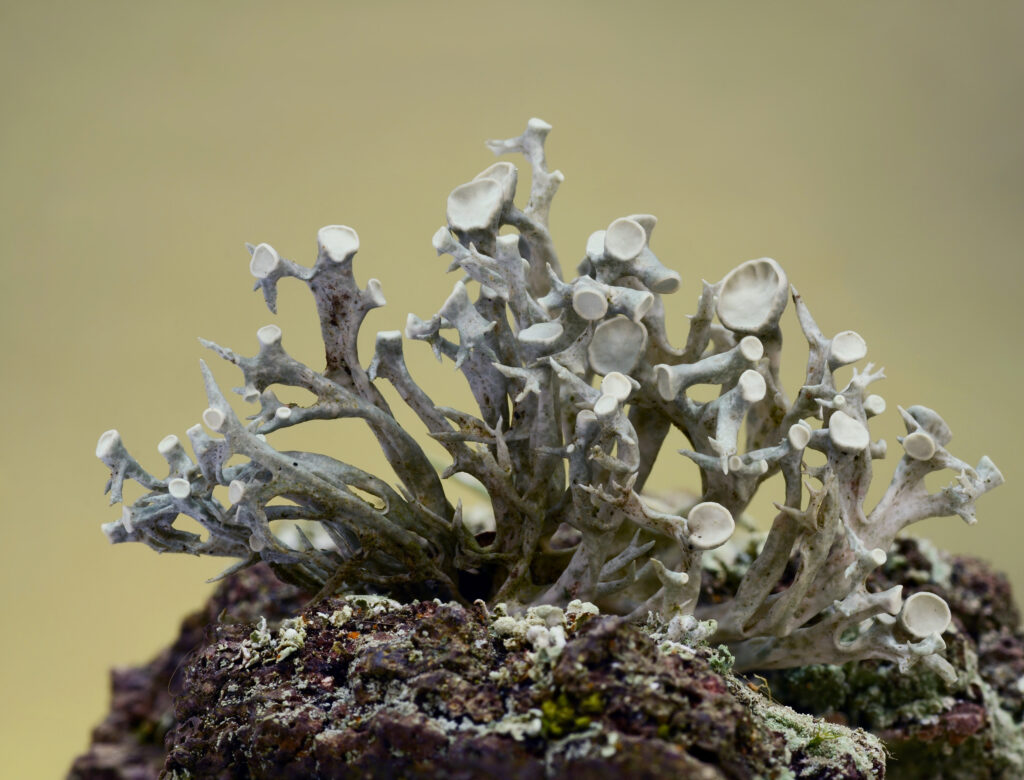
Physcia adscendens

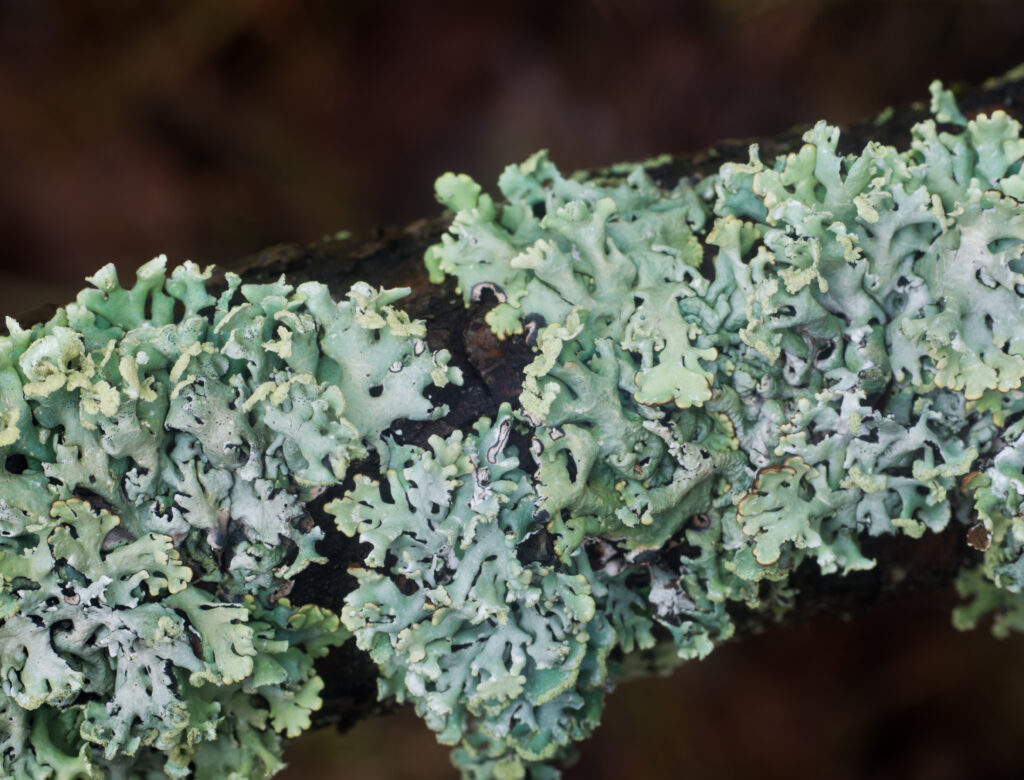
The pale grey, flattened branches of this lichen cling closely to tree bark. Each lobe ends in a swollen, often hood-shaped tip. This widespread species is notably tolerant of nitrogen pollution and is commonly found on the branches of various plants growing in nitrogen-rich soils.

Find out more
Physcia adscendens lichen.
Ramalina farinacea

A strap-like species commonly found across the UK, thriving in both shaded and sunny environments. Its colour ranges from silvery grey-green to yellow-green, and it features narrow, flattened branches that can grow up to 7 cm in length.

Find out more
Ramalina farinacea lichen.
Ramalina fastigiata

Members of this genus are often referred to as strap or cartilage lichens due to their long, strap-like branches. This species forms dense tufts with swollen, branched lobes. Although it appears green when wet, its true colour is grey-green. It is commonly found across the UK, frequently seen on twigs in sunny spots.

Find out more
Ramalina fastigiata lichen.
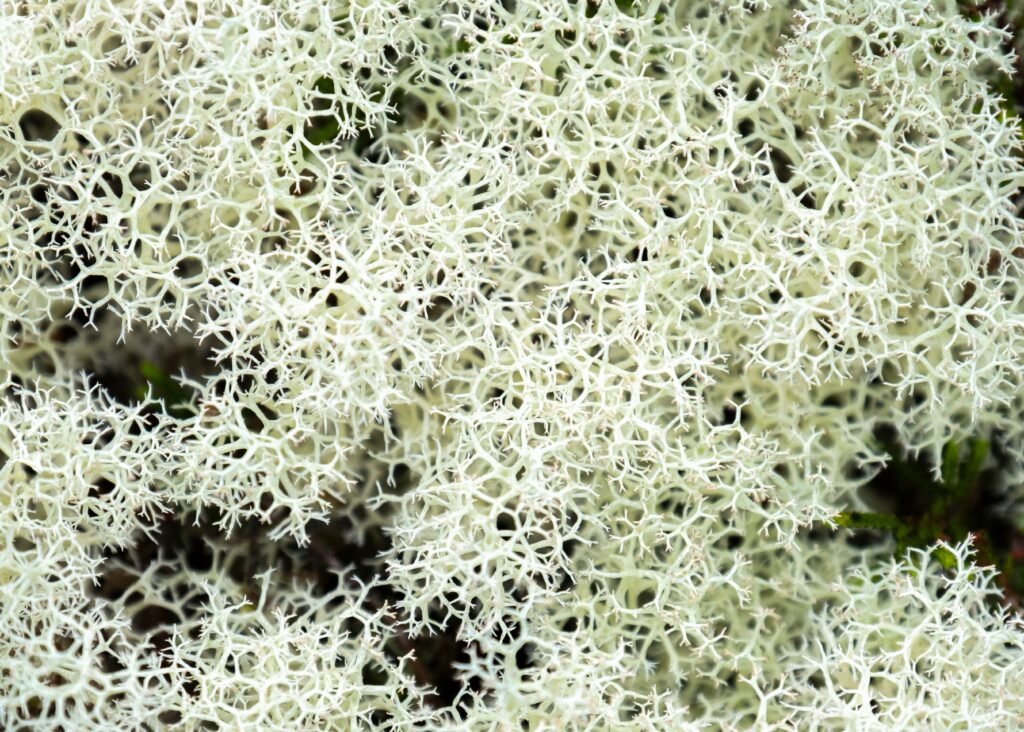
Reindeer Lichen

Reindeer lichen favours acidic, well-drained soils in open heathland. In southern England, it is rare and declining, mainly due to habitat loss. On the Windsor Estate, restoration projects such as Buttersteep Heath and Swinley Forest maintain suitable conditions by controlling scrub, preserving open ground, and restoring ponds – vital for sustaining specialist species and biodiversity.

Find out more
Reindeer Lichen.
Usnea subfloridana

Commonly referred to as old man’s beard, this distinctive lichen is easily recognised by its bushy appearance and yellow-green or grey-green colouring, often with a black base. It’s widespread across the UK and typically grows on the twigs and trunks of trees with acidic bark, such as birch. You’re most likely to spot it on smaller branches, where it thrives.

Find out more
Usnea subfloridana lichen.
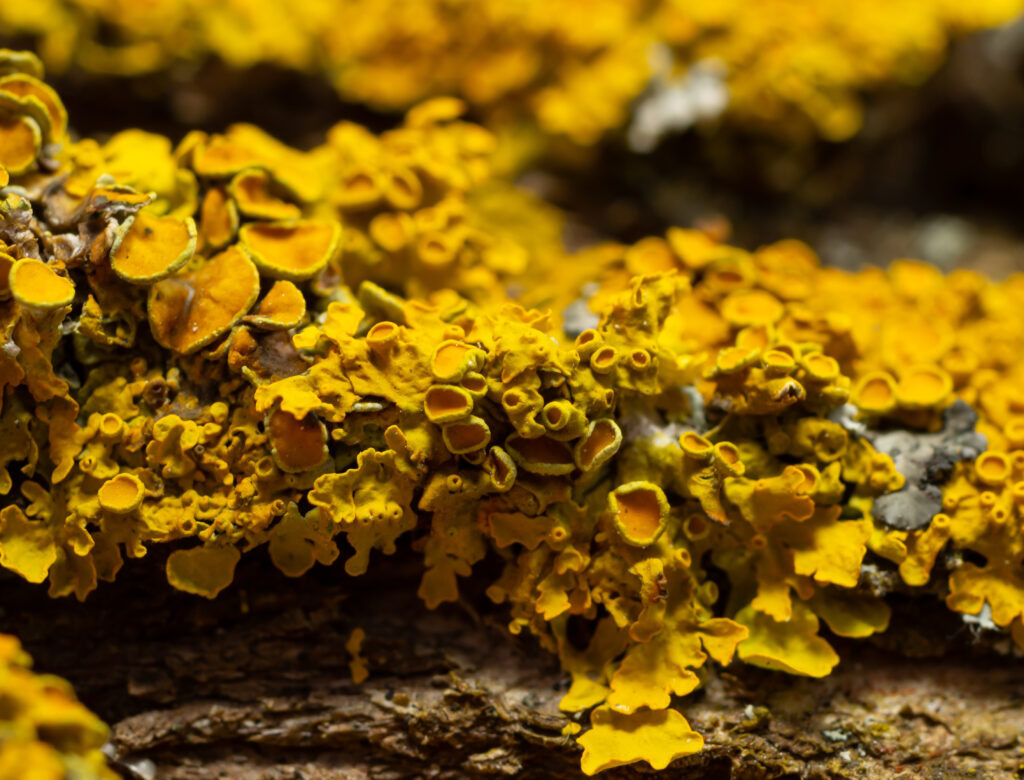
Xanthoria parietina

This vividly coloured lichen, often referred to as common orange lichen or yellow scale, displays hues ranging from bright yellow to deep orange, and can even appear grey-green when growing in shaded areas. It is widespread across the UK and is particularly common on elder trees.

Find out more
Xanthoria parietina lichen.
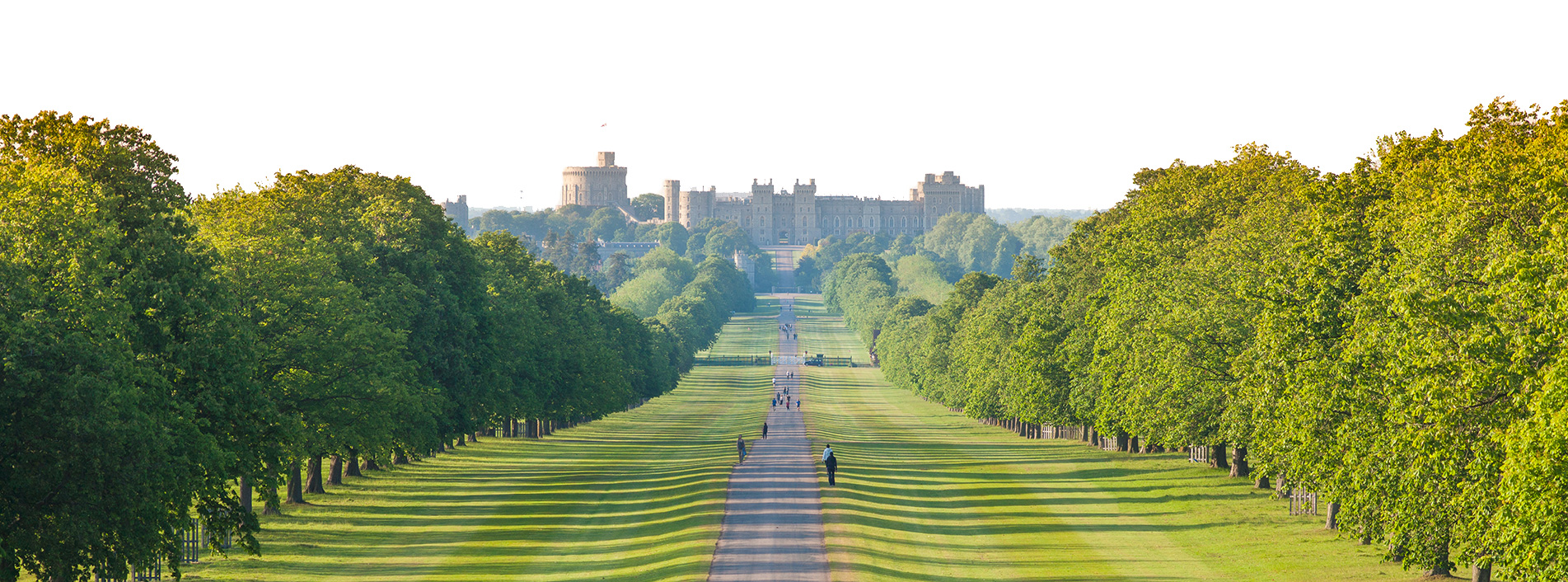
Windsor Great Park
Windsor Great Park

More from us

News & Articles

FAQs

Careers

Get in touch

Contact us

Newsletter

Sign up to our newsletter

The Crown Estate logo.

User support

Accessibility

Site map

Our policies

Terms of use

Privacy statement

Cookies statement

Modern slavery act

Freedom of information

Designed by Bewonder*