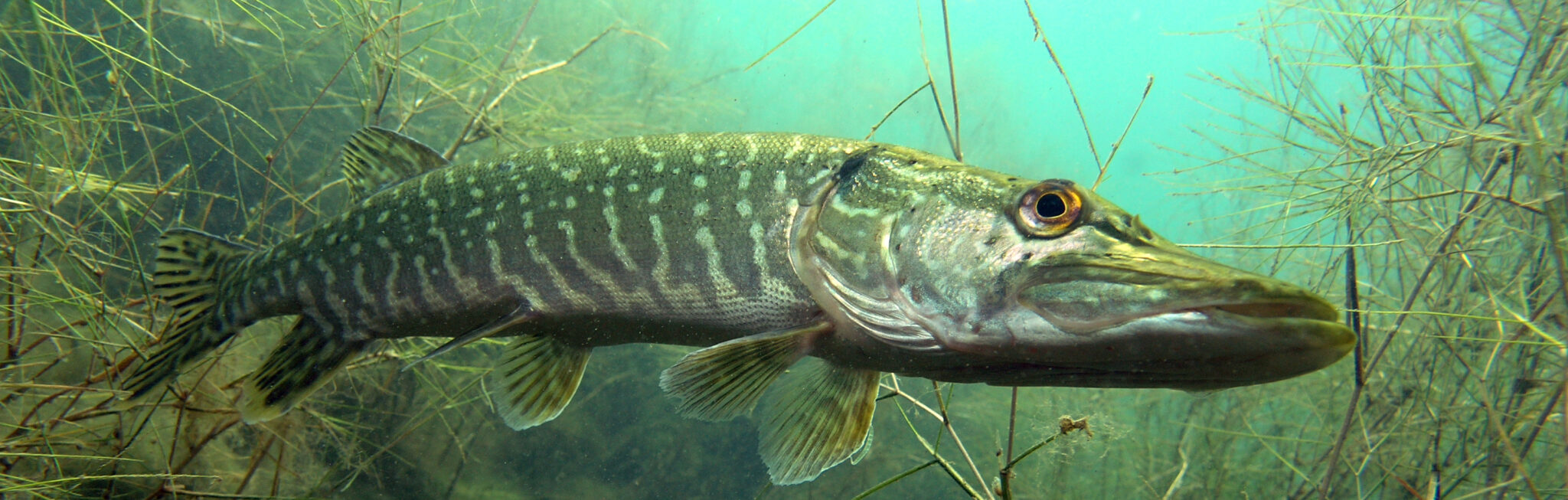
Pike fish.

Fish

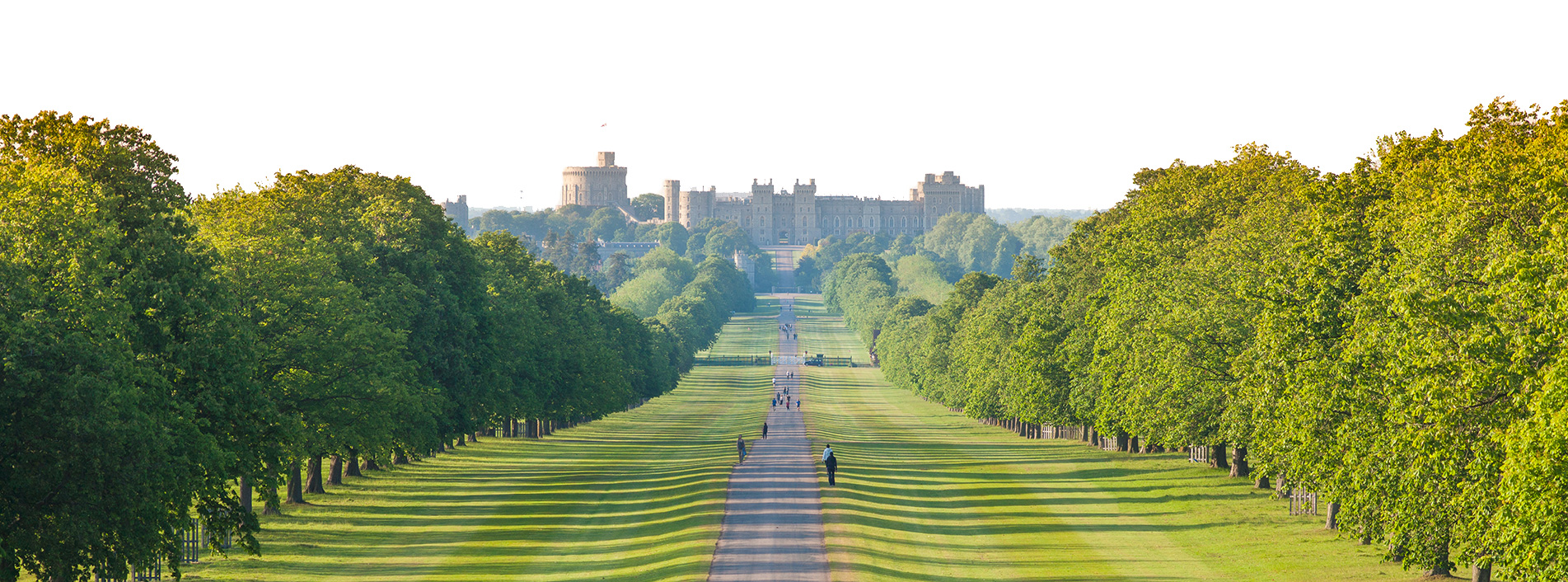
Our lakes are home to a variety of freshwater fish, including pike, bream, tench, roach, perch, and carp. Smaller ponds and streams often support tiny species such as sticklebacks. Some lakes have managed fish stocks specifically for our angling members, while others sustain natural populations.

Fish play an important role in the wetland food chains across Windsor Great Park. They can be active predators of frog tadpoles and young newts. However, toad tadpoles are generally less appealing to fish and tend to fare better in larger ponds.

Many of our water birds rely on fish as a food source. The kingfisher, for example, dives from perches along the edges of ponds and lakes to catch small fish. Meanwhile, the great crested grebe is an adept underwater hunter, diving and swimming to pursue its prey.
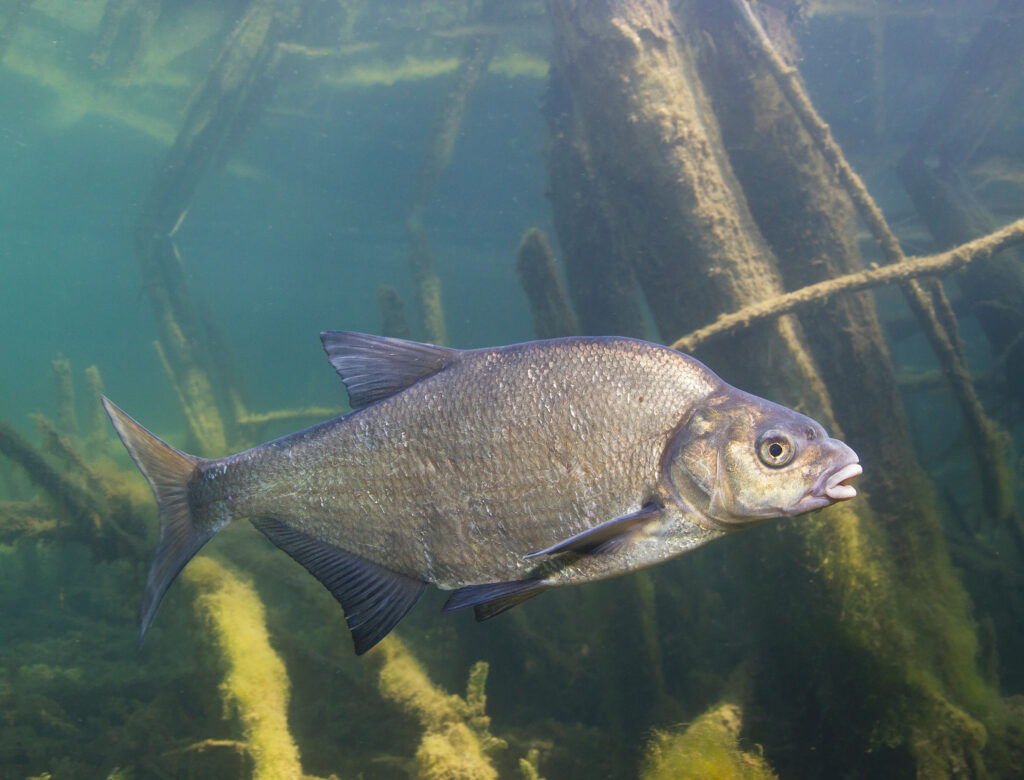
Bream

Bream are freshwater and marine fish with flat, silvery bodies. Common in European rivers and lakes, they prefer slow-moving waters. Bream feed on insects, larvae, and plant material. They are popular among anglers for their abundance and challenge, often forming large shoals.

Find out more
Bream fish.
Common carp

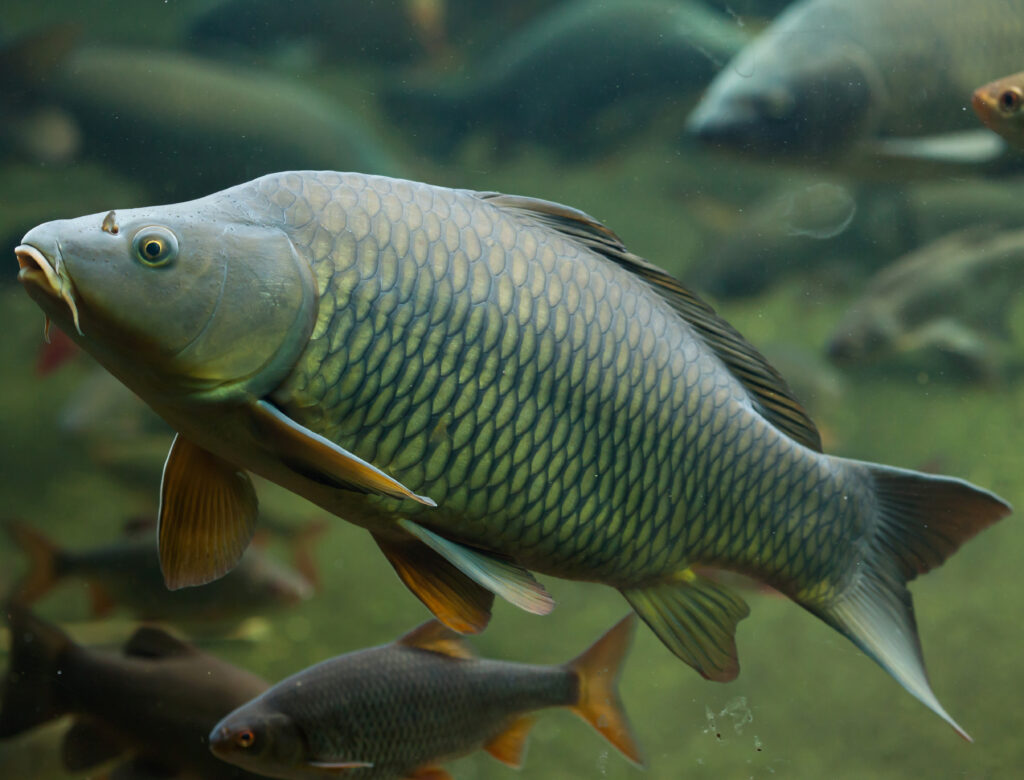
Common carp are large, hardy freshwater fish with deep bodies and bronze-gold scales. Native to Europe and Asia, they thrive in slow-moving or still waters. Omnivorous by nature, they feed on plants, insects, and detritus. Carp are adaptable and can tolerate a wide range of environmental conditions.

Find out more
Common carp fish.
Eel

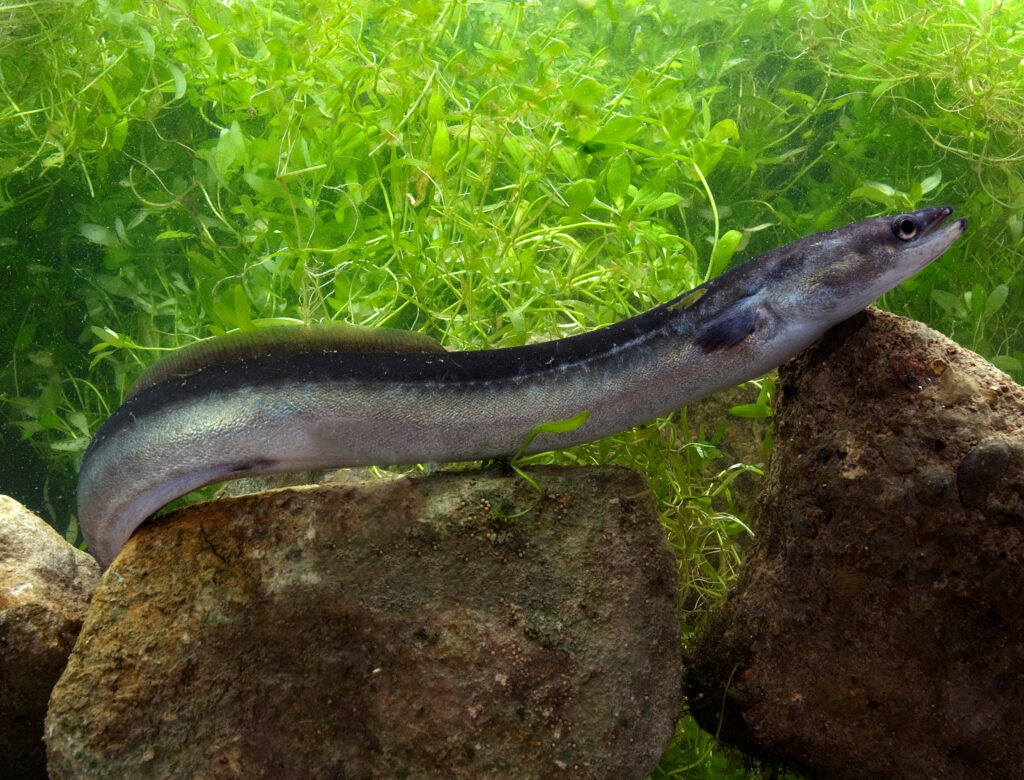
Eels are elongated, slippery fish found in freshwater and coastal marine habitats. They are nocturnal predators, feeding on insects, worms, and small fish. Eels play an important ecological role and are culturally significant in many regions, including Windsor Great Park.

Find out more
Eel fish.
Perch

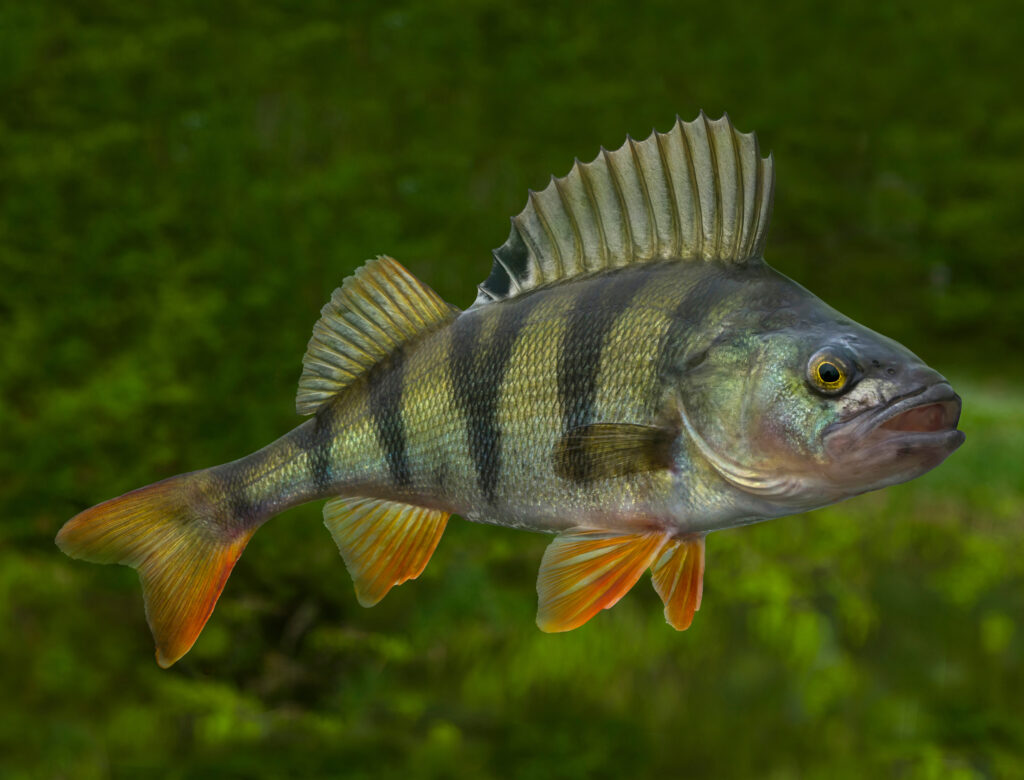
Perch are freshwater fish with greenish bodies, dark vertical stripes, and spiny dorsal fins. They inhabit lakes, rivers, and canals across Europe. Perch are carnivorous, feeding on insects, larvae, and smaller fish. They are active hunters, often forming small groups, and are known for their sharp eyesight and quick strikes.

Find out more
Perch fish.
Pike

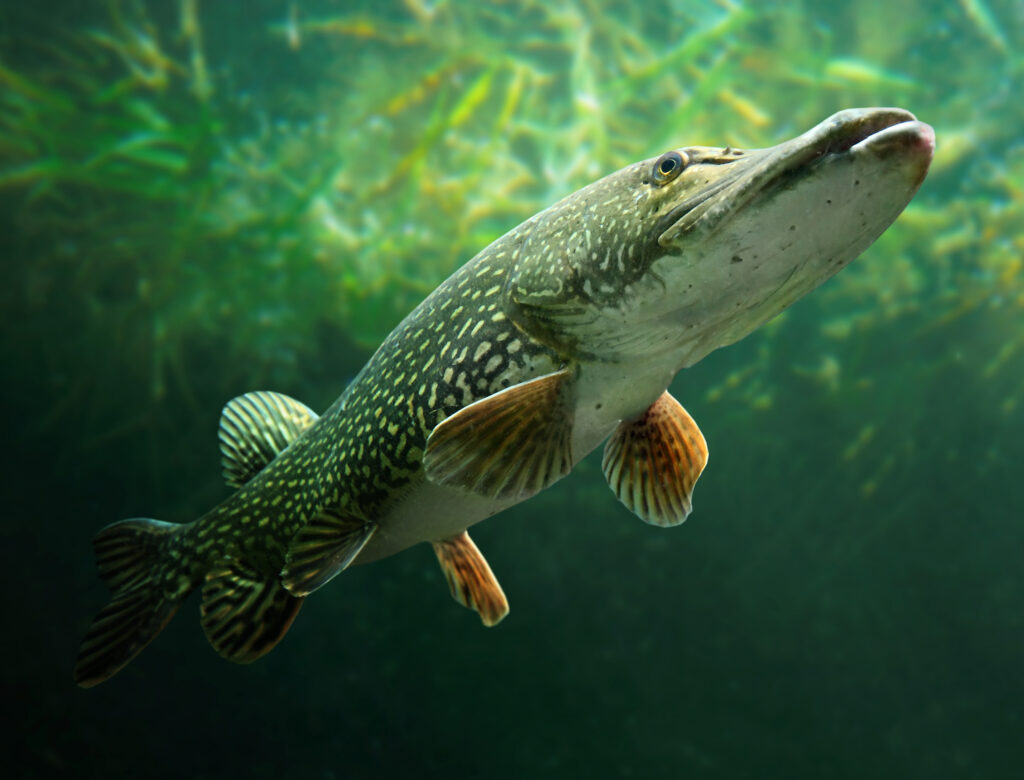
Pike are freshwater predators with long bodies and sharp teeth. They thrive in cool, slow-moving or still waters like lakes, rivers, and marshes, especially those with dense vegetation. Their ambush hunting style helps control smaller fish populations, making them vital to aquatic ecosystems.

Find out more
Pike fish.
Roach

Roach are small, silver freshwater fish found in European rivers and lakes. They prefer slow-moving or still waters and feed on plants, insects, and detritus. Roach are social creatures, often forming large shoals, and are known for their adaptability to various aquatic environments.

Find out more
Roach fish.
Rudd

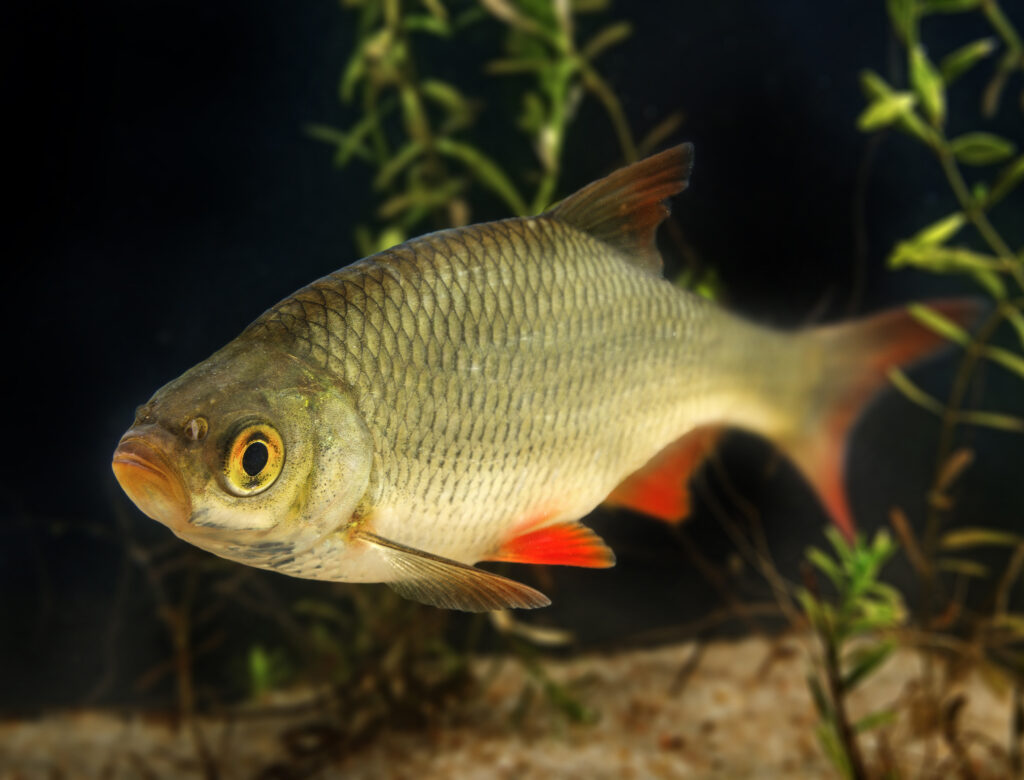
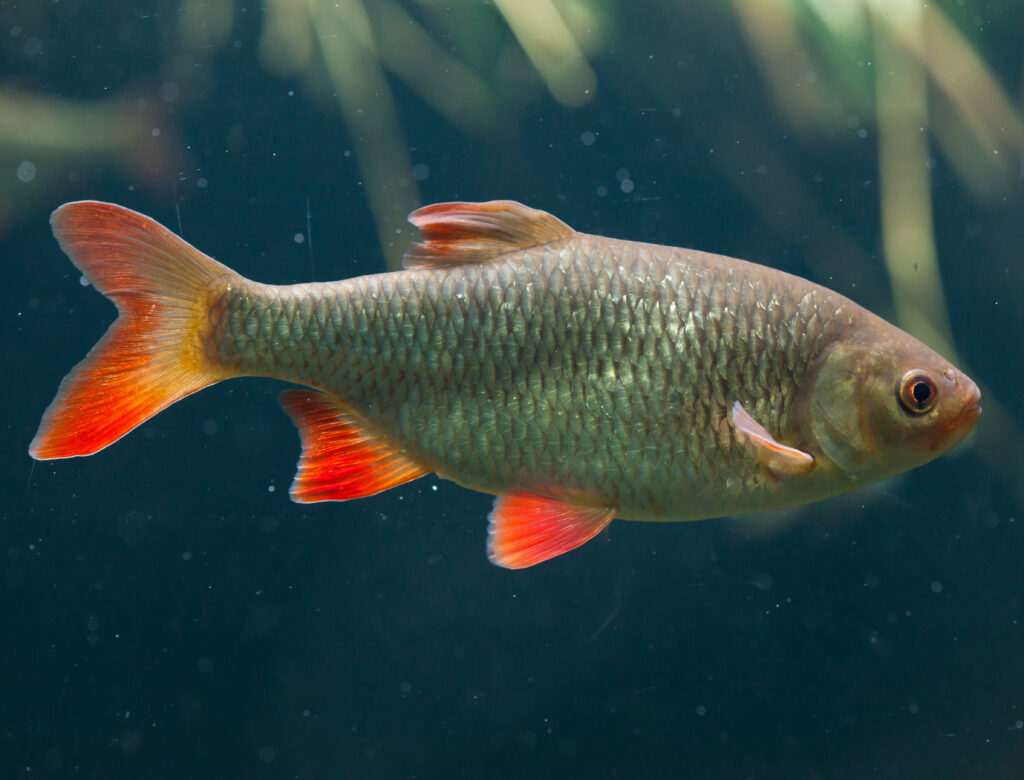
The Rudd is a freshwater fish native to Europe and western Asia. It has a deep, laterally compressed body, golden scales, and red fins. Rudd are omnivorous, feeding on plants and insects, and are often found in slow-moving or still waters like lakes and ponds.

Find out more
Rudd fish.
Tench

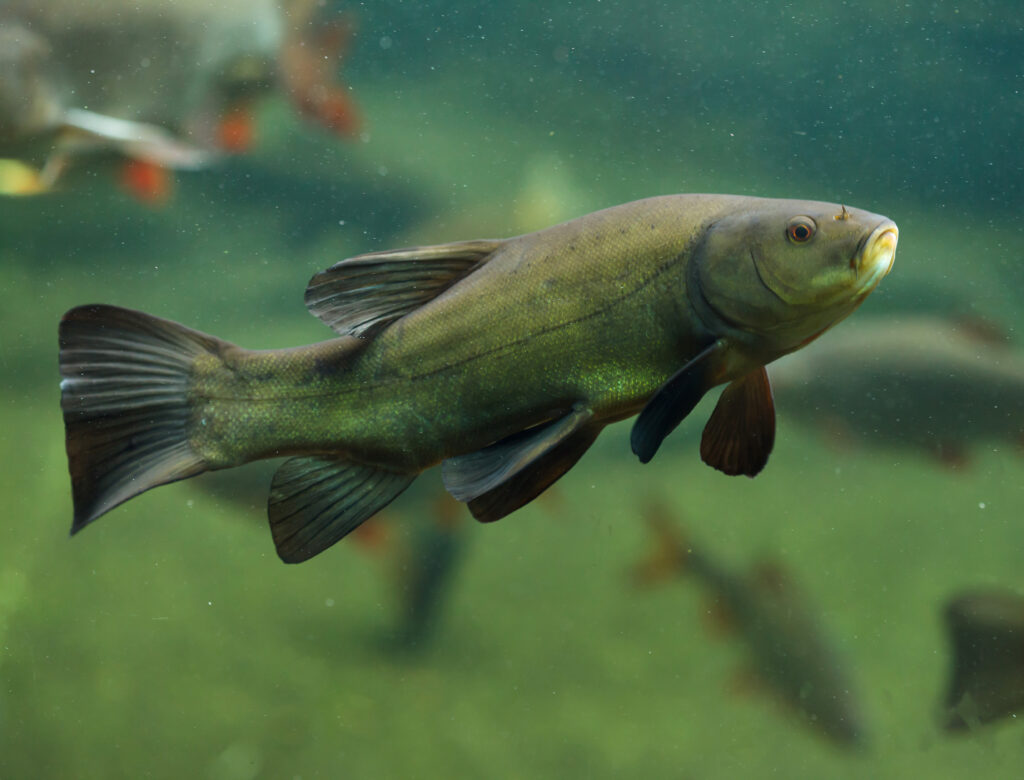
Tench are freshwater fish with olive-green bodies and rounded fins. They prefer still or slow-moving waters with dense vegetation. Known for their shy nature, tench feed on small invertebrates and plant matter. They are often active at dawn and dusk, making them a favourite among patient anglers.

Find out more
Tench fish.
Three-spined stickleback

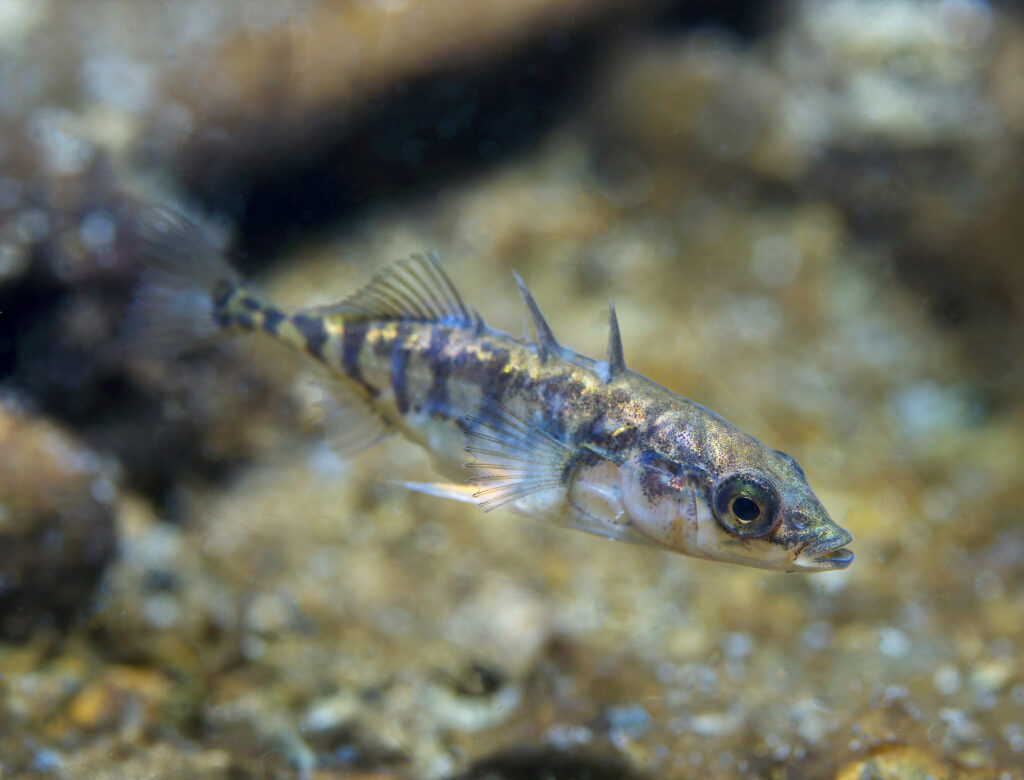
The three-spined stickleback is a small, adaptable fish found in freshwater and coastal marine waters across Europe. It has three sharp spines in front of its dorsal fin and displays fascinating breeding behaviour, with males building nests and guarding eggs. It feeds on insects, crustaceans, and small aquatic creatures.

Find out more
Three-spined stickleback fish.
Wild Brown Trout

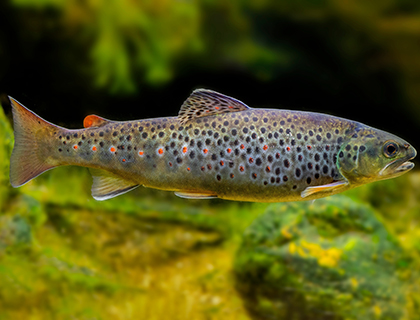
The Wild Brown Trout, with its golden-brown body and distinctive black spots, is a key species in Windsor Estate’s waterways, particularly in Swinley Forest streams. Preferring cool, well-oxygenated water, it feeds on insects and small invertebrates. Its presence is a strong indicator of healthy aquatic ecosystems, reflecting the Estate’s commitment to conserving our freshwater habitats.

Find out more
Small Wild Brown Trout.
Windsor Great Park
Windsor Great Park

More from us

News & Articles

FAQs

Careers

Get in touch

Contact us

Newsletter

Sign up to our newsletter

The Crown Estate logo.

User support

Accessibility

Site map

Our policies

Terms of use

Privacy statement

Cookies statement

Modern slavery act

Freedom of information

Designed by Bewonder*