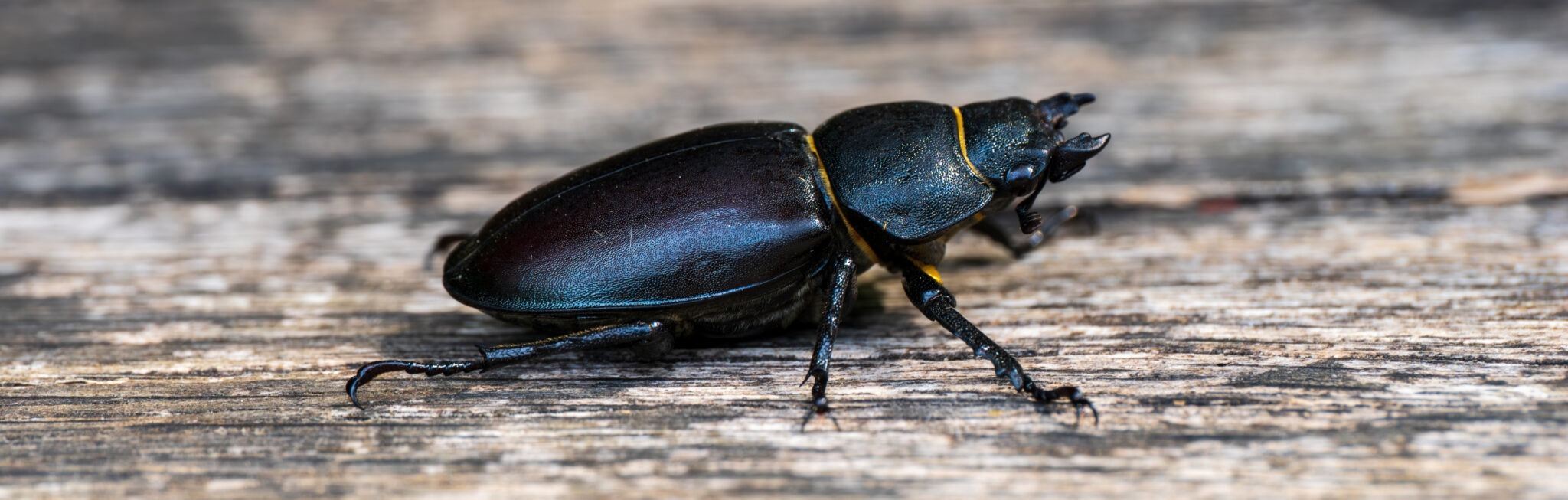
Lesser stag beetle.

Beetles

The Windsor Estate hosts nearly 2,000 beetle species, many endangered or vulnerable. The diversity includes many habitat specialists, such as those dependent on old trees, clean water ponds, and even fresh dung. Some rarer beetles, like the violet click beetle, black click beetle, variable chafer, and oak click beetle, are rarely seen as they live and develop, hidden in hollow trees and stumps.
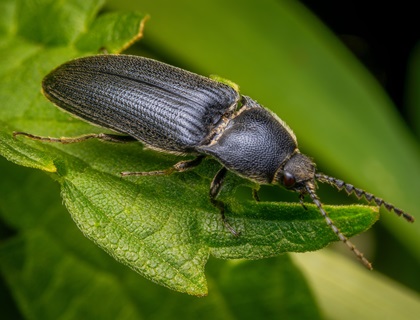
Black Click Beetle

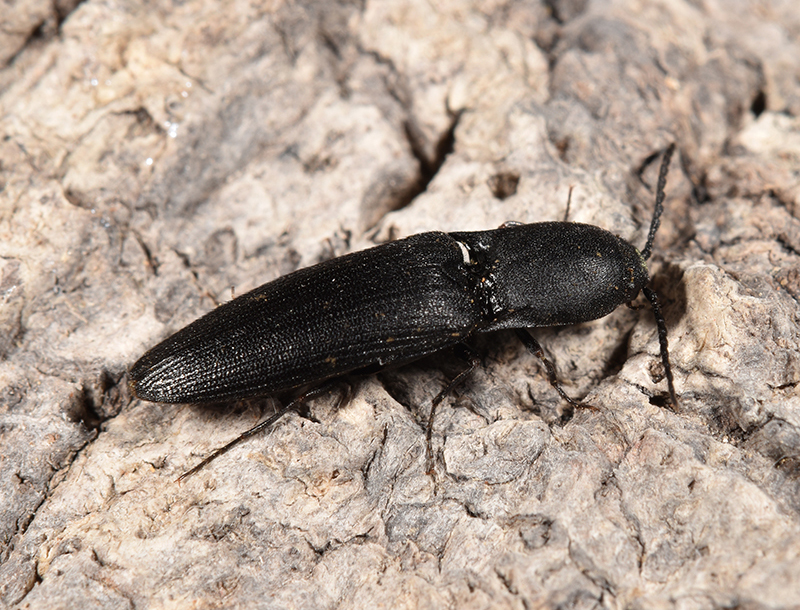
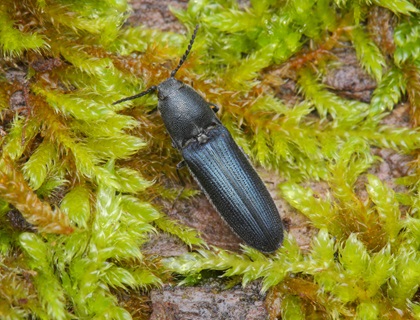
This glossy, jet-black beetle measures around 9mm and belongs to the click beetle family (Elateridae). It’s classified as Near Threatened in Britain and its only known habitat being Windsor. Like its relatives, it uses a spine-and-notch mechanism to launch itself into the air with a sharp ‘click’—a clever escape tactic or a way to flip upright when overturned. Its larvae develop in decaying oak wood, playing a vital role in the Forest’s ecosystem.

Find out more
a black Click Beetle on a green leaf in nature.
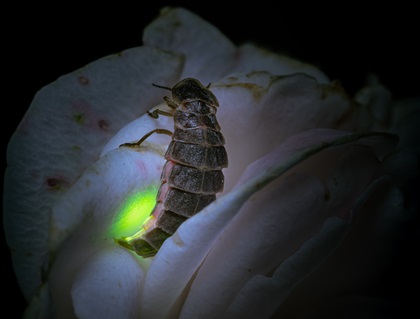
Glow-Worm

The glow-worm is actually a beetle with the female looking like a larva with an iridescent green tail end which glows green in the dark. It feeds on snails and is one of our rarer beetles, but has been seen in damper habitats in the Park and Forests.

Find out more
A closeup shot of a Lampyris noctiluca, glow-worm on a flower
Green Tiger Beetle

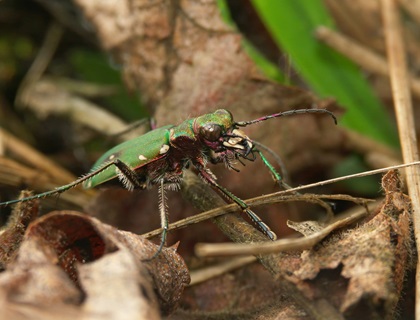
A striking predator with a dazzling metallic green sheen, the green tiger beetle is one of the UK’s fastest insects. Agile and alert, it hunts spiders, ants, and caterpillars across heaths, grasslands, and sand dunes, using speed and sharp mandibles to catch its prey.

Find out more
Closeup on the green tiger beetle, Cicindela campestris, on the forest floor
Queen’s executioner beetle

In 2010, one of Britain’s rarest beetles, Megapenthes lugens, was given the name “Queen’s executioner beetle” following a public naming competition. The name highlights both its royal Windsor ties and the predatory behaviour of its larvae, which feed on other insect larvae. It is currently known only from Windsor Great Park in the UK. Its dark colouring is reminiscent of a traditional executioner’s hood, adding to the dramatic effect of the name.

Find out more
Queen's executioner beetle.
Stag Beetle

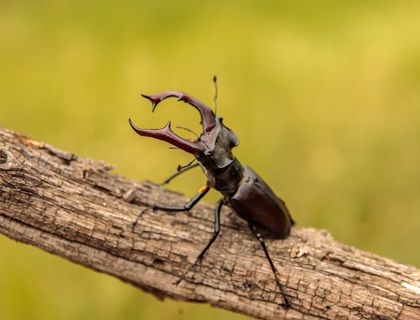
The large stag beetle, one of the most striking beetles at Windsor, is often seen flying through the Park at dusk in mid-summer. Its larvae spend several years developing in decaying tree roots before emerging as adults. Our careful management of old trees and rotting stumps is vital to support this and many other species.

Find out more
male stag beetle in natural habitat
Variable Chafer Beetle

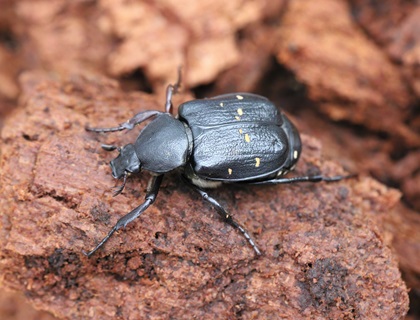
A rare European scarab, the Variable Chafer beetle is found in the UK only in Windsor Great Park, and one other location. This Vulnerable species develops in the decaying heartwood of old oak and beech trees. Adults reach around 20mm in length and are easily recognised by their black bodies speckled with small white or yellow markings.

Find out more
The variable Chafer beetle on rotten wood.
Violet Click Beetle

A true rarity in the UK, the violet click beetle makes its home in decaying wood—especially in old beech and ash trees. Named for its unique defence mechanism, it can spring into the air with a sharp ‘click’ if flipped onto its back. This elusive species is known from just three sites across the country.

Find out more
The Violet Click Beetle
Windsor Great Park
Windsor Great Park

More from us

News & Articles

FAQs

Careers

Get in touch

Contact us

Newsletter

Sign up to our newsletter

The Crown Estate logo.

User support

Accessibility

Site map

Our policies

Terms of use

Privacy statement

Cookies statement

Modern slavery act

Freedom of information

Designed by Bewonder*